Introduction: A Craft Reborn in the Modern Era
In the historic heart of Dresden, where architecture tells the story of centuries, a quiet but profound movement is taking place. On October 15, 2026, the Association of Stonemasons and Sculptors hosted a city-wide "Action Day," a strategic initiative designed to revitalize one of humanity’s oldest professions. By bridging the gap between historical heritage and modern vocational needs, the event aimed to capture the imagination of a younger generation, proving that the art of working with stone is not a relic of the past, but a career path with significant future potential.
As digital screens and virtual spaces increasingly dominate the professional landscape, the tactile, enduring nature of stonemasonry offers a unique counter-balance. The Dresden event was not merely a career fair; it was a sensory immersion, inviting teenagers to step away from their devices and pick up the chisel, discovering the satisfaction of transforming raw material into lasting structures.
The Core Objective: Addressing the Vocational Gap
The central premise of the Action Day was simple yet urgent: to combat the shortage of skilled labor in the German craft sector. For decades, the allure of academic studies and office-based careers has led to a decline in apprenticeship numbers for manual trades. However, the Association of Stonemasons and Sculptors argues that the "Master Craft" status offers a level of job security, creative fulfillment, and social status that modern corporate environments often struggle to replicate.
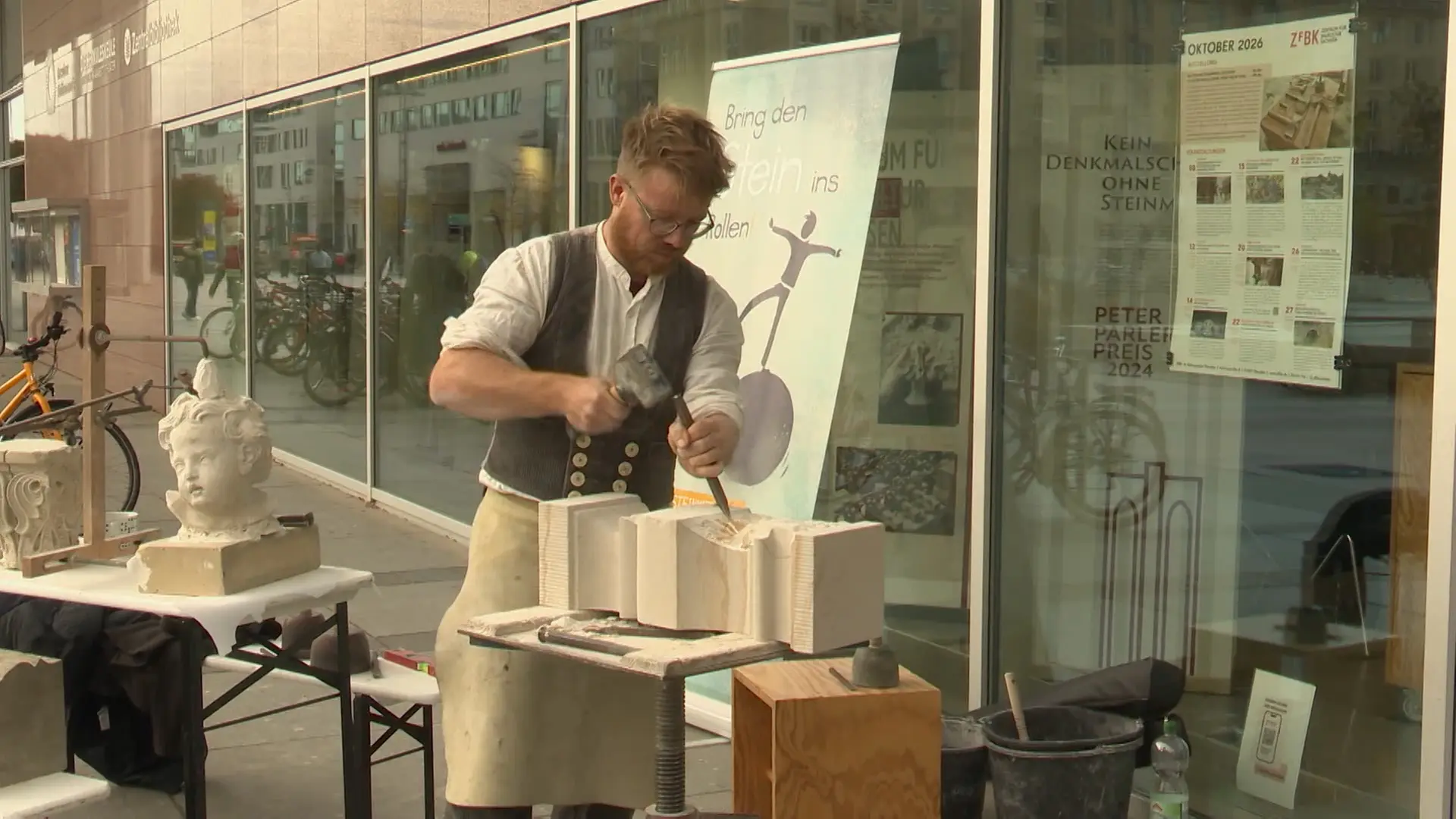
By organizing this showcase, the association intended to demystify the apprenticeship process. Attendees were introduced to the multifaceted nature of the job, which spans from heritage restoration—such as the delicate maintenance of the Semperoper—to modern architectural design, monument construction, and high-end interior finishing.

Chronology of the Action Day
The event followed a structured program designed to maximize engagement and provide a comprehensive overview of the trade.
- 09:00 AM – Opening Remarks: Representatives from the Dresden Chamber of Crafts opened the event with a keynote on the importance of regional identity and the role of stonemasons in preserving the architectural integrity of Saxony.
- 10:30 AM – The "Touch the Stone" Workshop: A hands-on session where students were paired with master stonemasons to work on limestone and sandstone. This was the highlight for many, allowing them to experience the physical resistance and eventual yield of stone under a tool.
- 01:00 PM – Restoration Roundtable: Experts discussed the challenges of preserving Dresden’s historic buildings. They highlighted the technical knowledge required to treat stone exposed to environmental stressors and modern pollution.
- 03:00 PM – Digital Integration Session: A forward-looking segment showcasing how modern technology, including 3D scanning and CNC machinery, is now integrated into traditional stonemasonry. This served to debunk the myth that the trade is purely manual and archaic.
- 06:00 PM – Networking and Apprenticeship Sign-ups: The day concluded with a direct link to local businesses currently seeking apprentices, allowing interested youth to bridge the gap between inspiration and immediate action.
Supporting Data: The Craft Sector in Flux
The context for this initiative is supported by current labor market trends in Germany. According to the Federal Institute for Vocational Education and Training (BIBB), the craft sector continues to face a significant "demographic squeeze." As the generation of baby boomers approaches retirement, the number of masters retiring far outpaces the number of new apprentices entering the field.

In Saxony specifically, the demand for specialized stonemasonry is driven by two factors:
- Cultural Heritage Preservation: Dresden’s status as a tourist and architectural hub necessitates a constant influx of skilled labor to maintain public monuments, churches, and historical landmarks.
- Sustainable Building Trends: There is a growing architectural shift toward using natural, locally sourced materials to reduce carbon footprints. Stone, as a durable and recyclable material, is seeing a resurgence in high-end, eco-conscious construction.
Statistics from the Dresden Chamber of Crafts indicate that while apprenticeship numbers had dipped in the early 2020s, there has been a 12% increase in interest for "creative-technical" manual trades over the last two years, suggesting that initiatives like the Action Day are yielding results.

Official Responses and Perspectives
The event garnered support from various stakeholders in the regional economy.
The President of the Dresden Association of Stonemasons stated:
"We are not just training people to hammer stone; we are training the curators of our future cities. When a young person works on a piece of sandstone, they are participating in a timeline that began centuries ago. We need to show them that this work provides a sense of accomplishment that cannot be found in a cubicle."

A representative from the Saxony Ministry of Economic Affairs added:
"Vocational training is the backbone of the Saxon economy. The Action Day is a stellar example of how professional associations can take ownership of their own talent pipeline. By showcasing the beauty and complexity of the craft, they are effectively competing with the tech industry for the brightest young minds."
Implications: Building a Sustainable Future
The long-term implications of this initiative extend beyond individual career choices. By fostering a new generation of stonemasons, Dresden is ensuring the survival of the specialized skills required to maintain its architectural legacy.

The Technological Evolution
One of the most critical aspects of the event was the emphasis on "New Craftsmanship." The integration of technology is not replacing the artisan; it is augmenting their capability. By learning to operate robotic milling machines alongside hand-held chisels, the modern apprentice becomes a hybrid professional—part artist, part engineer. This dual-skill set makes the profession significantly more resilient to future economic shifts.
Economic Resilience
For the local economy, a stable workforce of stonemasons provides a competitive advantage. It ensures that infrastructure projects, both public and private, can be completed by local firms rather than relying on expensive, non-regional contractors. This strengthens the regional value chain and keeps tax revenue within the state.

Beyond the Chisel: The Broader Cultural Context
It is important to view the Stonemasonry Action Day within the wider context of Dresden’s cultural landscape. As the article notes, the city is simultaneously engaging with its history through projects like the operatic adaptation of Reiner Kunze’s The Wonderful Years. This suggests a city that is deeply invested in both its past (through literature and masonry) and its future (through the recruitment of youth).
The connection between these cultural spheres is profound. The same youth who might find inspiration in the emotional truth of Kunze’s literature are being invited to express their own "wonderful years" through the creation of tangible, enduring art. The stonemason is, in essence, the silent storyteller of the city, and the initiative is a call to arms for the next generation of storytellers.

Conclusion: The Path Forward
The success of the October 15 event signals a shift in the cultural perception of the trades. By presenting stonemasonry as a synthesis of history, technology, and artistic expression, the organizers have effectively carved out a space for the craft in the modern world.
As these young apprentices move into their training, the hope is that they will not only fill the labor gap but also innovate within the field. The future of Dresden’s architecture is being forged today—one strike of the chisel at a time. The Action Day has proven that when the narrative is framed correctly, the youth are more than willing to take up the hammer and shape the world around them.
Key Takeaways for Future Initiatives:
- Tactile Engagement: Direct, hands-on experience remains the most effective tool for recruiting in manual trades.
- Tech-Forward Messaging: Highlighting the intersection of tradition and technology attracts a broader range of talent, including those with an aptitude for STEM subjects.
- Regional Pride: Tying the profession to the preservation of local identity and landmarks creates an emotional incentive for participation.
As Dresden moves toward 2027 and beyond, the blueprint provided by the Association of Stonemasons and Sculptors may well serve as a model for other manual trades struggling to find their voice in a digital-first world. The stone remains, but the hands that shape it are constantly renewing—and in that renewal lies the true strength of the craft.