The investigation into the tragic death of a 72-year-old helper in Schkeuditz, Saxony, continues to unfold. Five months after a tiger escaped from a private enclosure, authorities are still grappling with complex questions of liability, animal welfare, and regulatory oversight.
Executive Summary: A Community Still in Shock
It has been five months since the peaceful routine of Dölzig, a quiet district in Schkeuditz, near Leipzig, was shattered by the escape of a tiger from a private facility. The incident, which ultimately claimed the life of a 72-year-old man, has triggered an extensive criminal investigation that remains active and unresolved. As the Saxony Public Prosecutor’s Office continues its work, the case has become a focal point for a broader, heated national debate regarding the ethics of keeping dangerous wild animals in private ownership and the adequacy of existing state regulations.
The Chronology of the Tragedy
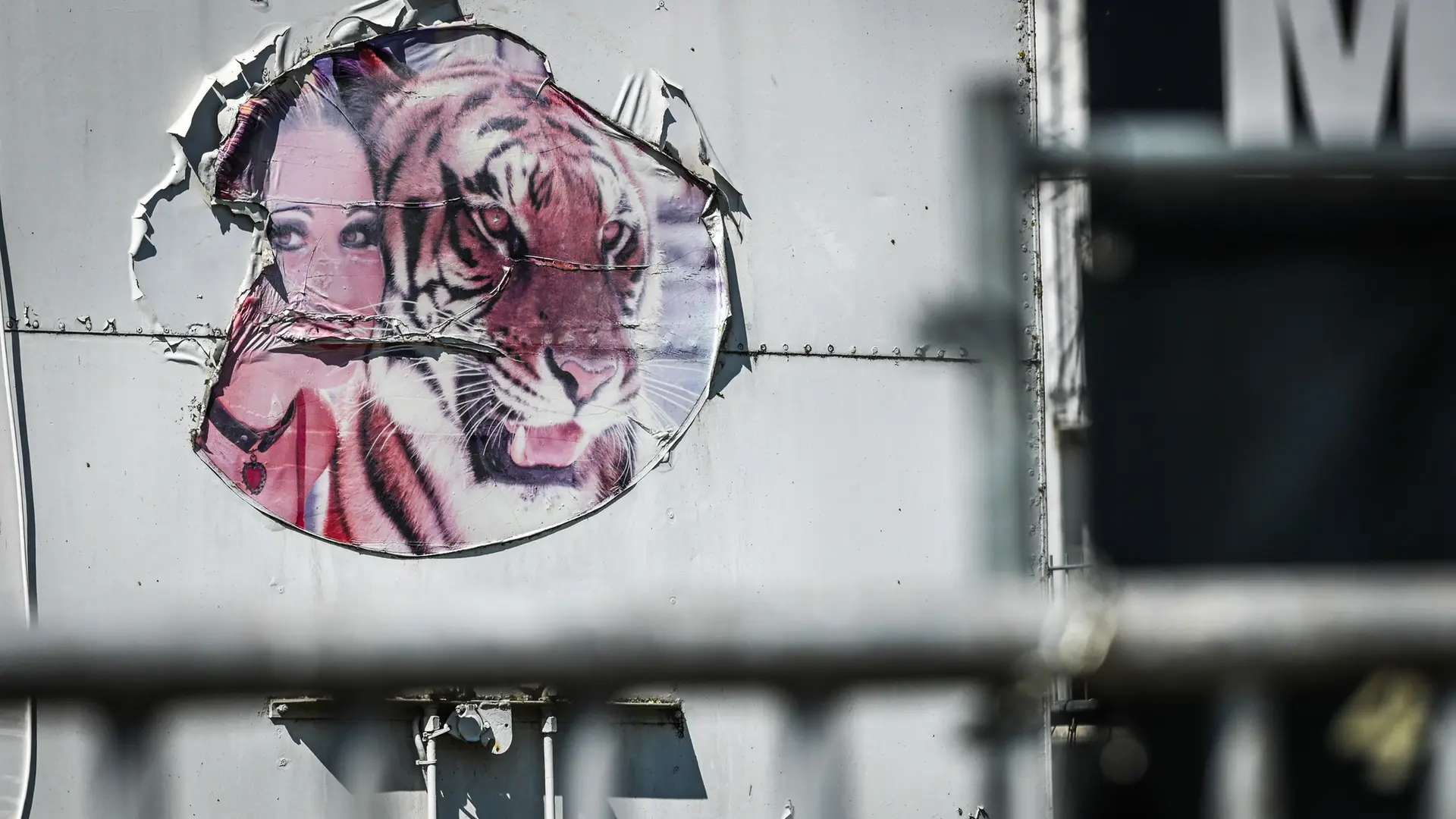
The events that transpired on May 17, 2026, marked a turning point for animal control policy in the region. According to reports, a tiger escaped from the private enclosure belonging to the former circus performer Carmen Zander. The animal, which had been part of a collection of nine big cats kept on the premises, managed to break free, creating an immediate and grave danger to the public.
During the escape, a 72-year-old man, who had been working as a helper at the site, suffered severe injuries. Despite intensive medical care in a specialized hospital, he succumbed to his injuries in July. An official autopsy confirmed that the cause of death was directly linked to the bite wounds sustained during the encounter.

The escape resulted in a massive, high-stakes police operation. The animal was tracked to the vicinity of a local allotment garden area (Kleingartenanlage), where law enforcement officials, citing an immediate threat to the public, made the decision to shoot and kill the animal.
Official Investigations and Legal Implications
The Saxony Public Prosecutor’s Office has confirmed that they are currently conducting a criminal investigation into the owner, Carmen Zander. The central charge currently under review is "negligent homicide by omission."
In legal terms, this implies that the prosecution is examining whether the owner failed to fulfill her duty of care—specifically, whether safety protocols for the enclosure were neglected or if the infrastructure was fundamentally inadequate to contain apex predators.
"At this stage, it is not possible to forecast when the investigation will be concluded or what the final outcome will be," a spokesperson for the prosecutor’s office stated. The complexity of the case lies in verifying whether the regulatory standards for private wild animal husbandry were met and whether those standards themselves are sufficient to prevent such occurrences.

The "Tiger Queen" and the Regulatory Failure
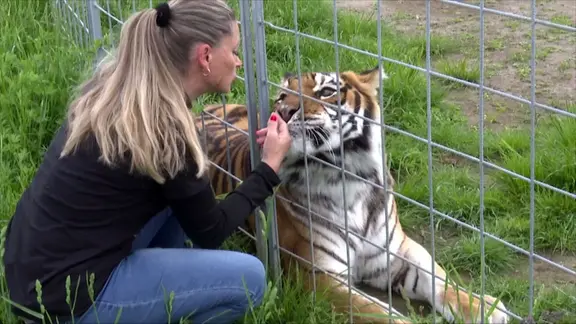
Carmen Zander, a former circus artist, had gained a degree of notoriety as the "Tiger Queen" of Schkeuditz. Her collection of nine tigers was kept on a property that, while private, drew increasing scrutiny from both neighbors and authorities.
Long before the fatal incident, there had been vocal criticism regarding the housing conditions. The District Office (Landratsamt) of Nordsachsen had previously identified the facilities as "inadmissible." Officials argued that the area allocated for the animals was far too small, failing to provide the environmental stimulation or space required for such powerful predators.

The tragic death of the helper accelerated a confrontation between the owner and the authorities. Following the incident, the district administration moved to secure the remaining animals. After weeks of intense legal and logistical negotiations, the remaining six tigers were seized and transported to a specialized sanctuary in Spain.
Life After Rehoming: An Update on the Survivors
The relocation of the six tigers to the Animal Advocacy and Protection (AAP) organization in Spain was hailed as a necessary step for the welfare of the animals. According to the organization, the tigers are currently housed in two interconnected outdoor enclosures, designed to offer a more natural, albeit captive, environment.

The staff at the Spanish facility reported that the animals are undergoing a rehabilitation process aimed at stimulating them both mentally and physically. Specialized care teams are implementing daily enrichment programs to replace the restrictive environment the animals were accustomed to in Saxony.
"The animals are adapting well to their new surroundings," a representative from AAP noted. The organization has signaled that they intend to allow members of the press to visit the facility in the near future, providing a transparent view of the tigers’ living conditions and the progress they have made since their departure from Germany.

The Broader Implications for German Law
The Schkeuditz incident is not an isolated case in Germany, but it has become the most prominent example of the risks associated with the private keeping of wild animals. It has reignited the debate about whether legislation should be tightened across all federal states.
Currently, the laws governing the ownership of wild animals are a patchwork of local ordinances and state-level regulations. Animal rights advocates argue that the incident demonstrates that private individuals, regardless of their background in the circus or entertainment industry, often lack the infrastructure and resources to manage the complex needs of tigers, lions, or bears.

The "Electrified" Future: New Security Measures
Coinciding with the fallout from this case, the broader legal landscape in Saxony is shifting toward more stringent security measures for the general public. Interestingly, while the tiger case focuses on animal control, the state is simultaneously moving to implement new technological tools for victim protection in other areas, such as the use of electronic monitoring (electronic "ankle tags") for high-risk offenders in cases of domestic violence or stalking.
This legislative movement suggests a state government increasingly focused on preemptive security and the prevention of foreseeable harm—a philosophy that critics argue should have been applied more rigorously to the regulation of private exotic animal enclosures years ago.

Conclusion: A Lesson Paid in Blood
The investigation into the death in Schkeuditz serves as a somber reminder of the boundaries between human society and the natural world. As the legal wheels continue to turn, the focus remains on accountability. The community in Dölzig is left to process the loss of a neighbor, while the survivors of the incident—the tigers themselves—continue their lives in a Spanish sanctuary.
Whether the legal proceedings against the former owner will result in a conviction remains to be seen. However, the legacy of this tragedy is already evident: a heightened public intolerance for substandard animal welfare and a growing consensus that the "glamour" of owning exotic animals can never outweigh the fundamental necessity of public safety.

The final report from the public prosecutor is expected to be a landmark document, likely influencing future amendments to the German Animal Welfare Act (Tierschutzgesetz). For now, the people of Schkeuditz continue to wait for the final closure that a completed judicial process will provide.
Data Summary & Contextual Notes
- Incident Date: May 17, 2026
- Victim: 72-year-old male, died in hospital in July 2026.
- Legal Status: Active investigation by the Saxony Public Prosecutor’s Office.
- Current Charge: Negligent homicide by omission (fahrlässige Tötung durch Unterlassen).
- Animal Status: Six tigers relocated to Spain (AAP facility); three accounted for previously.
- Regulatory Status: Local authorities had previously flagged the site as having "inadmissible" conditions.