By Editorial Staff
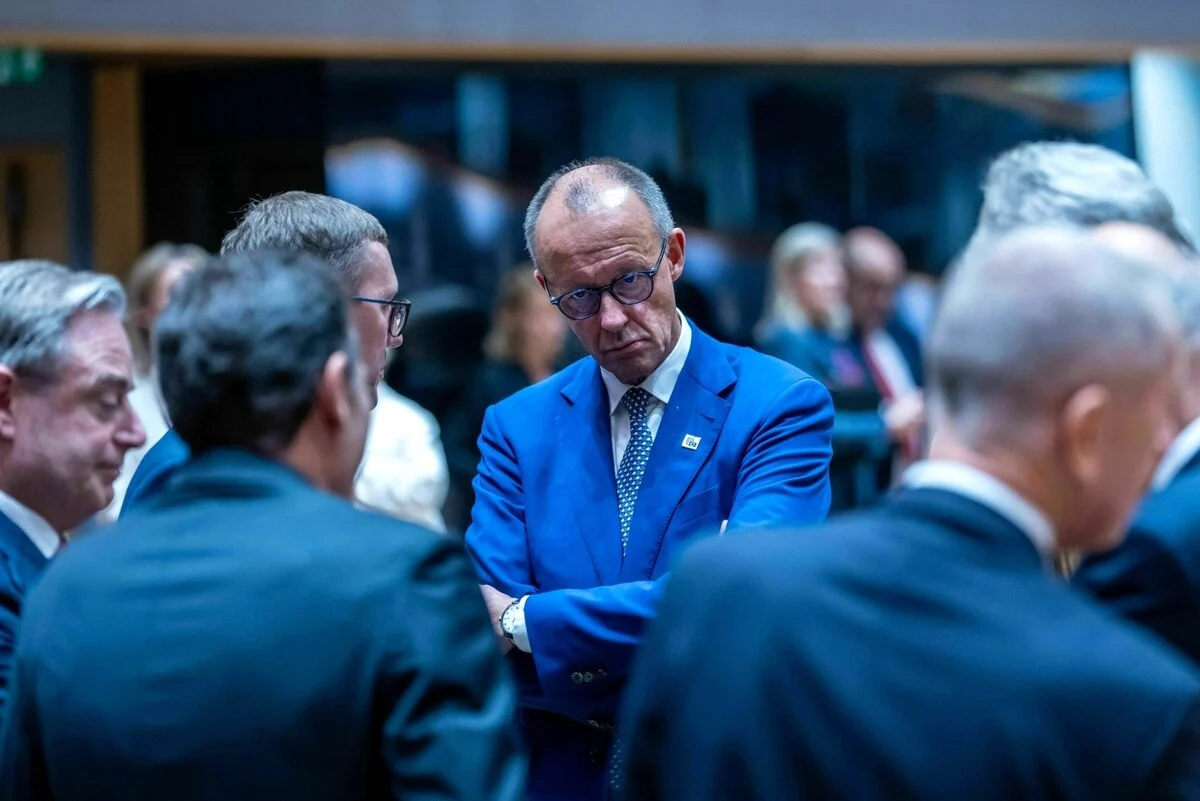
The European Union has officially entered a period of intense fiscal friction. As heads of state and government gathered in Brussels this past Thursday, the atmosphere was far from the usual diplomatic cordiality. At the center of the storm is German Chancellor Friedrich Merz, who arrived at the summit with a combative agenda: a radical restructuring of the EU’s multi-year financial framework (MFF) for 2028–2034.
For the newly minted Chancellor, currently navigating a precarious domestic political landscape in Berlin, the Brussels summit serves as both a test of his leadership and a high-stakes ideological crusade. His demand for massive cuts to the European budget has not only met with fierce resistance from the majority of member states but has also threatened to paralyze the legislative agenda of the Union for months to come.
The Core Conflict: A Clash of Fiscal Philosophies
The immediate point of contention is the European Commission’s draft for the 2028–2034 budget. The Commission has proposed a financial framework totaling nearly €2 trillion, an ambitious roadmap intended to fund digitalization, green transition initiatives, and geopolitical stabilization.
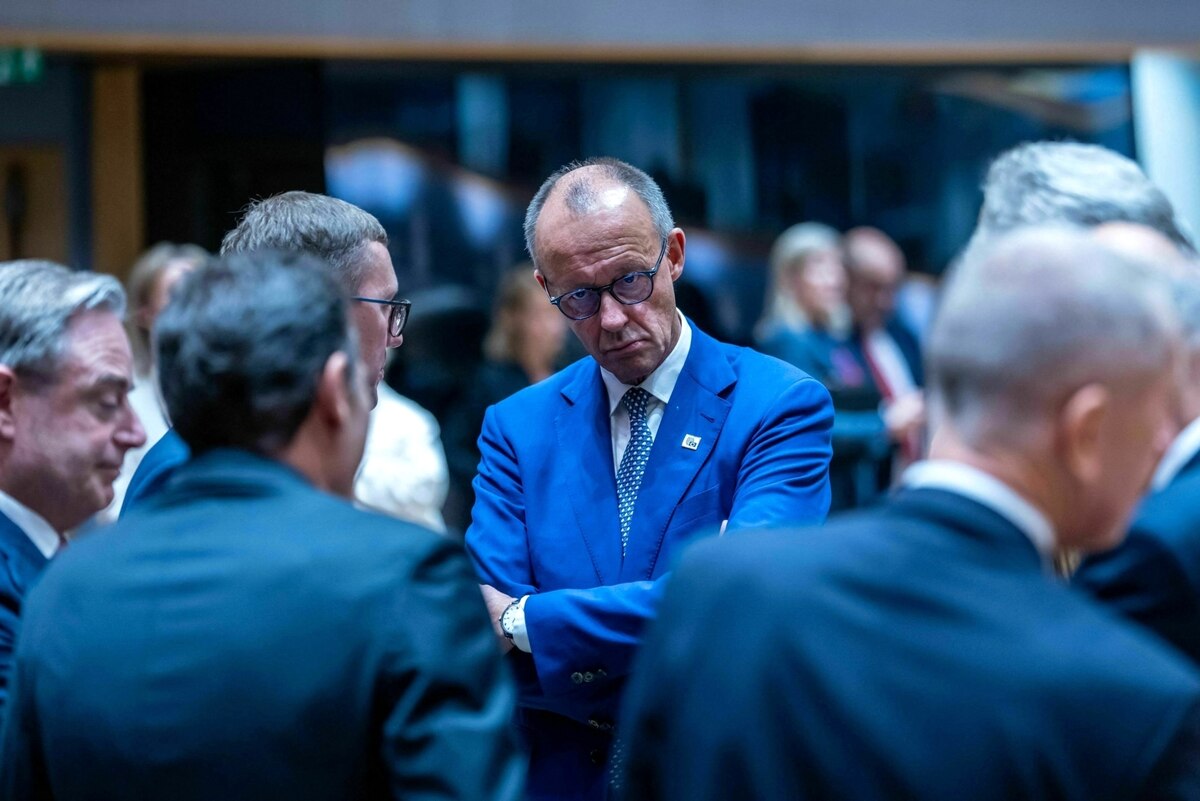
Chancellor Merz, speaking to the press upon his arrival, dismissed these figures as “entirely absurd.” He argued that the proposal represents a 50% increase over the current financial framework—a trajectory he deems fiscally irresponsible for the bloc’s primary net contributor. Even an alternative, “moderate” compromise proposal put forward by the Irish presidency—which suggests a trimmed-down budget of €1.826 trillion—was flatly rejected by the German delegation as insufficient.
Merz’s position is clear: in an era of high interest rates, slowing industrial growth, and domestic austerity in Germany, the EU must shift toward a "less is more" approach. However, his "hard-line" stance has left him isolated. Of the 27 member states, 17 have openly opposed any significant reduction in the community budget, fearing that austerity will stifle the very growth and cohesion the Union desperately needs to remain globally competitive.
A Chronology of the Summit Tensions
The summit, intended to be a foundational session for long-term fiscal planning, quickly devolved into a display of national interests clashing with European integration.
- Thursday Morning: Chancellor Merz arrives with the explicit goal of cutting the MFF. He characterizes the current proposals as "disconnected from the economic reality of the member states."
- Thursday Afternoon: The divide becomes apparent. Belgium aligns with the German position on fiscal discipline, while Lithuania’s President, Gitanas Nausėda, publicly labels the Irish compromise of an 8% reduction as "balanced," signaling a willingness to negotiate that Merz refuses to entertain.
- Thursday Evening: Tensions spike over the issue of the Ukraine aid package. While Germany advocates for continued support, the question of how to fund it—without gutting other policy areas—remains unanswered.
- Friday: Discussions on administrative reform and bureaucracy take center stage. Merz ties his willingness to negotiate on the budget directly to a sweeping reduction in EU red tape, adding yet another layer of complexity to the talks.
The lack of consensus has forced a shift in the timeline. The "very, very difficult negotiations," as described by the Chancellor himself, are now slated for a special summit in November. Hopes for a final resolution are pinned on the December meeting, though officials are already warning that, much like the 2020 budget negotiations, the process could drag on for days.

Supporting Data and Strategic Priorities
The dispute over the budget is not merely a numbers game; it is a battle over the future priorities of the European Union.
The Ukraine Dilemma
A significant portion of the budget friction stems from the urgent need to support Ukraine. The EU provided a €90 billion credit facility earlier this year, but this funding is finite. Projections suggest that for 2027 alone, an additional €45 billion may be required to sustain Kyiv’s defense and civil infrastructure. Chancellor Merz has publicly committed to increasing aid, stating, "We will have to increase the funding here as well to truly help Ukraine in the long term." This creates a paradox: how can the EU cut its total budget while simultaneously increasing its most vital geopolitical expenditure?
The Revenue Question
European Parliament President Roberta Metsola has pushed back against the German-led austerity drive. "We cannot set new goals and then cut the resources necessary to achieve them," she noted. Metsola advocates for increasing the EU’s own resources, such as new taxes or levies, to bridge the funding gap. Commission President Ursula von der Leyen has proposed generating nearly €60 billion through new corporate levies and specific taxes. However, the German delegation has signaled that a new corporate tax is a "red line" and remains deeply skeptical of diverting national revenues, such as tobacco taxes, to the Brussels coffers.
Official Responses and Political Implications
The backlash against the German position has been swift and multi-faceted. France, currently struggling with its own domestic fiscal deficit, finds itself in a precarious position. While traditionally aligned with Germany on fiscal responsibility, the French government has warned that overly aggressive cuts would undermine the long-term investment capacity of the EU, potentially handing a competitive advantage to the United States and China.

The "Oberhemden" (Dress Shirt) Strategy
The Chancellor’s blunt advice to his colleagues—to "pack a few more dress shirts" for the December summit—highlights his expectation of a protracted stalemate. This is more than a diplomatic quip; it is a sign that Berlin is prepared for a war of attrition.
The Bureaucracy Trade-off
In a move seen by many as a tactical maneuver to gain leverage, Merz has linked the budget debate to a crusade against "growing bureaucracy." He has made it clear that Germany’s cooperation is contingent upon the Commission dismantling redundant regulations. This tactic serves a dual purpose: it provides a domestic "win" for his supporters back in Germany who are wary of "Brussels overreach," and it gives him a bargaining chip to justify his austerity demands.
Implications: A Union at a Crossroads
The standoff reveals a fundamental weakness in the current European project: the lack of a shared vision regarding the role of the central budget. Is the EU budget an investment engine for the future, or a redistribution mechanism that should be strictly capped?
The implications of this conflict are severe:

- Investment Stagnation: If the budget is slashed, key projects in climate protection, green energy transition, and military R&D risk being underfunded, leaving Europe vulnerable to external shocks.
- Political Fragmentation: The public divide between the "frugal" states led by Germany and the "investment-oriented" states risks creating a North-South or East-West rift that could paralyze the Union for years.
- Domestic Risk for Merz: Should the Chancellor fail to secure a budget that meets his criteria, he faces the prospect of returning to Berlin empty-handed, further weakening his position as a leader who promised a "hard-headed" approach to international politics.
As the summit closed, the reality remained unchanged: the EU is a collective of 27 nations with 27 different economic realities. Chancellor Merz’s attempt to impose a German-style fiscal discipline on the Union has served to highlight the vast chasm that still exists between the member states. Whether he can bridge that chasm before the December deadline remains the defining question of his early tenure. For now, the budget remains an unresolved puzzle, and the "shirts" remain packed for the long, cold negotiations ahead.