Bratislava, Slovakia – October 15, 2026 – Under the leadership of Prime Minister Robert Fico, Slovakia appears to be steadily charting a course that re-establishes it as a point of entry for Russian influence within the European Union. Recent developments suggest a quiet but deliberate resumption of military ties with Moscow, a move that has raised significant alarm bells among Slovakia’s Western allies and within its own opposition. This subtle shift, occurring against a backdrop of continued energy reliance on Russia and Fico’s increasingly vocal criticisms of Western policy towards Moscow, paints a complex and concerning picture for the future of Slovak foreign policy and its standing within the transatlantic alliance.
Fico’s persistent attendance at Moscow’s May Victory Day celebrations, a solitary stance among EU leaders, has become a potent symbol of his government’s alignment. This year was no exception, with Russian President Vladimir Putin extending a "very warm" welcome, emphasizing readiness to "cover the energy needs of the Slovak Republic" and to collaborate in "other areas of mutual interest." These pronouncements, delivered in the Kremlin, underscore a strategic partnership that appears to be deepening, despite the ongoing conflict in Ukraine and the broader geopolitical tensions between Russia and the West.
A Renewed Embrace: Military Attaché Exchanges and Energy Dependence
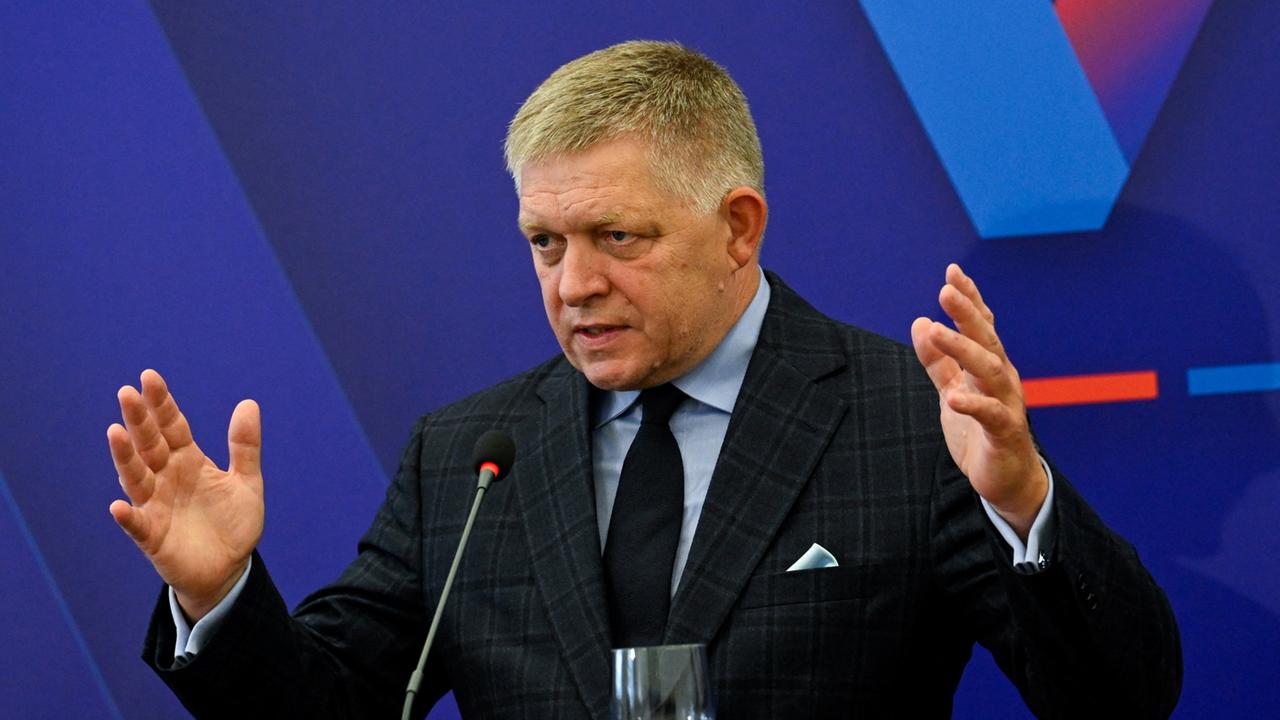
The most striking development is the reported quiet resumption of military attaché exchanges between Slovakia and Russia. Fico himself declared in Moscow, "I want to say clearly that I am against a new Iron Curtain in Europe. We have taken concrete steps to resume the mutual posting of military attachés." This statement, while framed as a move to prevent division, is being interpreted by many as a signal of renewed trust and cooperation with a nation currently designated as an aggressor by the EU and NATO.
According to investigations by Slovak media, two Slovak soldiers are already stationed in Moscow. In return, Russia has appointed an experienced officer to be based in Bratislava. While the officer has been accredited, his physical presence in the Slovak capital has not yet been confirmed. This move has sparked outrage within the Slovak opposition, who argue that such exchanges, particularly under the current geopolitical climate, primarily benefit Russia, allowing for enhanced intelligence gathering and influence operations. The opposition’s concerns are amplified by the memory of past Russian espionage activities in Slovakia.
This re-engagement in military-to-military contacts occurs against a backdrop of continued Slovak reliance on Russian energy. The country still receives oil from Russia, and gas is acquired through indirect channels. This dependence has, in the past, led Slovakia to temporarily block EU sanctions against Russia, a stance that has often put Bratislava at odds with its European partners. Fico’s ambition to forge even closer ties with Russia, as evidenced by his Moscow visit and pronouncements, suggests a strategic prioritization of these energy lifelines, even if it means navigating complex diplomatic waters within the EU.
Opposition Voices and Security Expert Concerns
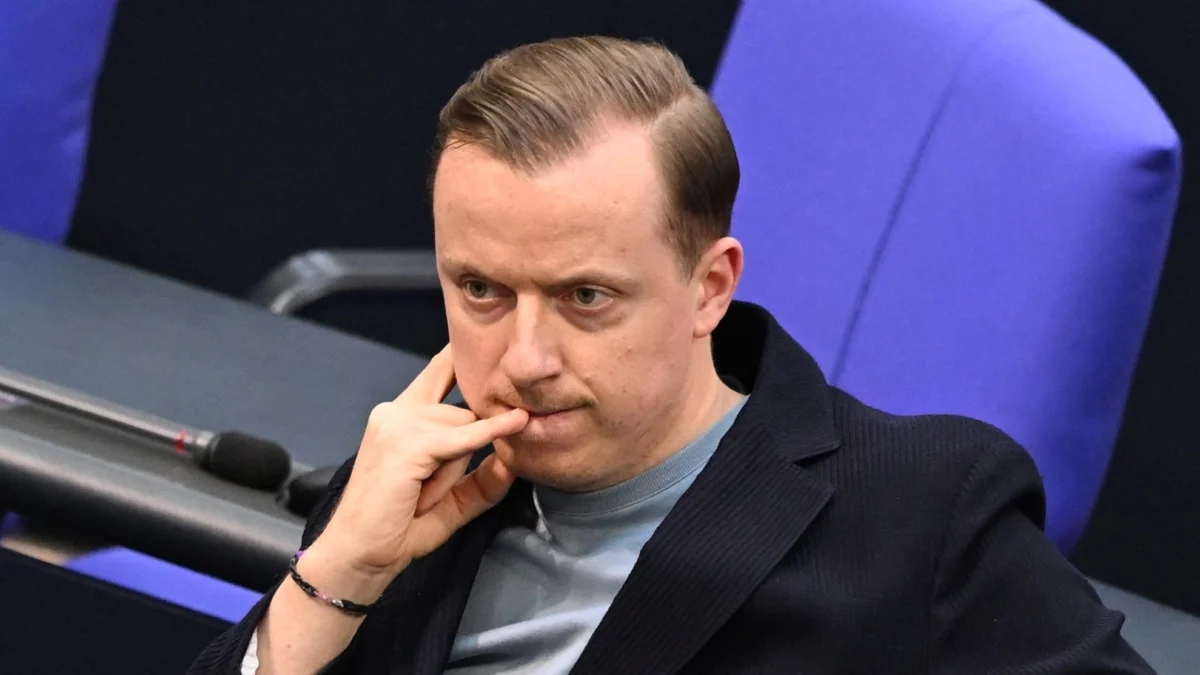
The re-establishment of military attaché exchanges has drawn sharp criticism from Slovak security experts and opposition figures. Tomas Valasek, a security expert with the "Progressive Slovakia" party, voiced strong concerns, suggesting that Fico has allowed himself to be "blackmailed" by Russia. Valasek recalled past negative experiences with Russian espionage in Slovakia, citing the case of a former military attaché in Bratislava who allegedly misused his diplomatic cover to recruit Slovaks to betray state secrets to Russia.
This incident, which came to light in 2021, involved the spy being caught red-handed during a cash handover to an operative of a pro-Kremlin disinformation outlet. The subsequent actions by the then pro-European government, which expelled dozens of Russian embassy personnel from Bratislava, highlight the historical context of Russian interference and espionage attempts within Slovakia. The return of military attachés, therefore, is seen by critics as a dangerous step backward, potentially reopening doors to activities that have previously threatened Slovak national security.
The current pro-Russian Defense Minister, however, attempts to justify the renewed military contacts by pointing to the presence of officers from countries like the United States, Great Britain, and France in Russia. This argument, however, is met with skepticism by many who argue that the geopolitical context and Russia’s current actions fundamentally alter the nature of such exchanges.
Meanwhile, former Slovak officials have issued stark warnings. They contend that Moscow will likely exploit any renewed access to Slovakia as a base for supporting extremist parties and media outlets across Europe that aim to erode trust in the EU and NATO. The possibility of such a base being used for hybrid warfare operations is also a significant concern.
Allegations of Russian Sabotage and Intelligence Operations
Adding another layer of concern are allegations that Russian military intelligence has been operating from Slovak territory to plan sabotage operations. The German newspaper Frankfurter Allgemeine Zeitung reported that a sabotage team from the Russian military intelligence service, the GRU, allegedly planned an attack in Munich in early September from Slovakia. The targets of this alleged attack were two defense companies.
Vladimir Snidl, a journalist from the Slovak newspaper "Dennik N," commented on these allegations, stating that if there are indeed GRU-linked bases in Slovakia, it would not be surprising given the government’s pro-Russian stance and the reputation of the Slovak intelligence services. This statement, while speculative, points to a deep-seated concern about the potential for Russian intelligence to exploit Slovakia’s political alignment for its own clandestine activities.
While Russia is known to recruit low-level agents in various European countries, including Poland, the potential for more sophisticated operations originating from Slovak soil is a chilling prospect. The fact that an attempted arson attack on a drone factory in Slovakia in August was thwarted, with a suspect apprehended in Germany, further fuels these suspicions.
German Foreign Minister Johann Wadephul (CDU) did not mince words during a visit to Bratislava in late September, issuing a clear condemnation of Slovakia’s Kremlin-friendly policies. He stated, "The greatest threat to the freedom of our continent comes from Moscow. The greatest danger to Europe is Putin’s war of aggression and imperialism. To question these facts is not only unsolidarity, it would be irresponsible." This strong rebuke from a senior German diplomat underscores the gravity with which Slovakia’s current trajectory is being viewed by key European partners.
Fico’s Counter-Narrative and Historical Revisionism
Prime Minister Fico, however, remains steadfast in his defense of his government’s policies, offering a counter-narrative that often places blame on the West for provoking Russia. He maintains that the West’s actions have led to the current conflict and that a more conciliatory approach is necessary. His pronouncements in Moscow included promises to improve trade relations, with a Slovak-Russian economic meeting scheduled for late November.
Beyond economic and military ties, Fico’s government is also actively shaping historical narratives in a way that aligns with Kremlin interests. Since early October, a statue of Ivan Konev, a controversial Soviet World War II marshal, has been erected in Eastern Slovakia. The funding for this monument remains a mystery, but it is known that the initiative was presented to Fico by Putin in Moscow. This act of historical commemoration, honoring a figure who played a significant role in the Soviet occupation of Czechoslovakia, is seen by many as a deliberate attempt to rewrite history and legitimize the Soviet past, a narrative that resonates strongly with Russian propaganda.
Implications for the EU and NATO
Slovakia’s evolving relationship with Russia under Prime Minister Fico presents a significant challenge for the European Union and NATO. The country’s continued energy dependence, coupled with the re-establishment of military ties and the embrace of pro-Russian historical narratives, risks undermining the unity and effectiveness of Western sanctions and diplomatic efforts aimed at isolating Russia.
The potential for Slovakia to become a hub for Russian intelligence operations and hybrid warfare activities poses a direct threat to the security of its neighbors and the broader European continent. The internal political divisions within Slovakia, exacerbated by Fico’s policies, further complicate the situation, potentially weakening the country’s ability to act decisively and cohesively on the international stage.
As the geopolitical landscape continues to shift, Slovakia’s position under Fico will undoubtedly remain a focal point of concern and scrutiny. The delicate balance between national interests, alliance commitments, and ideological alignments is being tested, with the outcome having profound implications for regional stability and the future of European security. The quiet, yet deliberate, steps taken by Fico’s government suggest a long-term strategy to reintegrate Slovakia into a sphere of influence that is increasingly at odds with the core values and security objectives of the European Union and NATO. The coming months and years will reveal the true extent of this embrace and its lasting consequences.