The intersection of investigative journalism, the judicial process, and the protection of minors has reached a fever pitch in the ongoing trial involving the "Block" podcast. At the center of the controversy is a pivotal testimony from Die Zeit journalist Anne Kunze, who faced intense questioning regarding her interactions with a key subject, known as "Klara." This case has transcended the courtroom, sparking a national debate in Germany about the responsibilities of the press when documenting the lives of vulnerable individuals.
Main Facts: The Intersection of Media and Justice
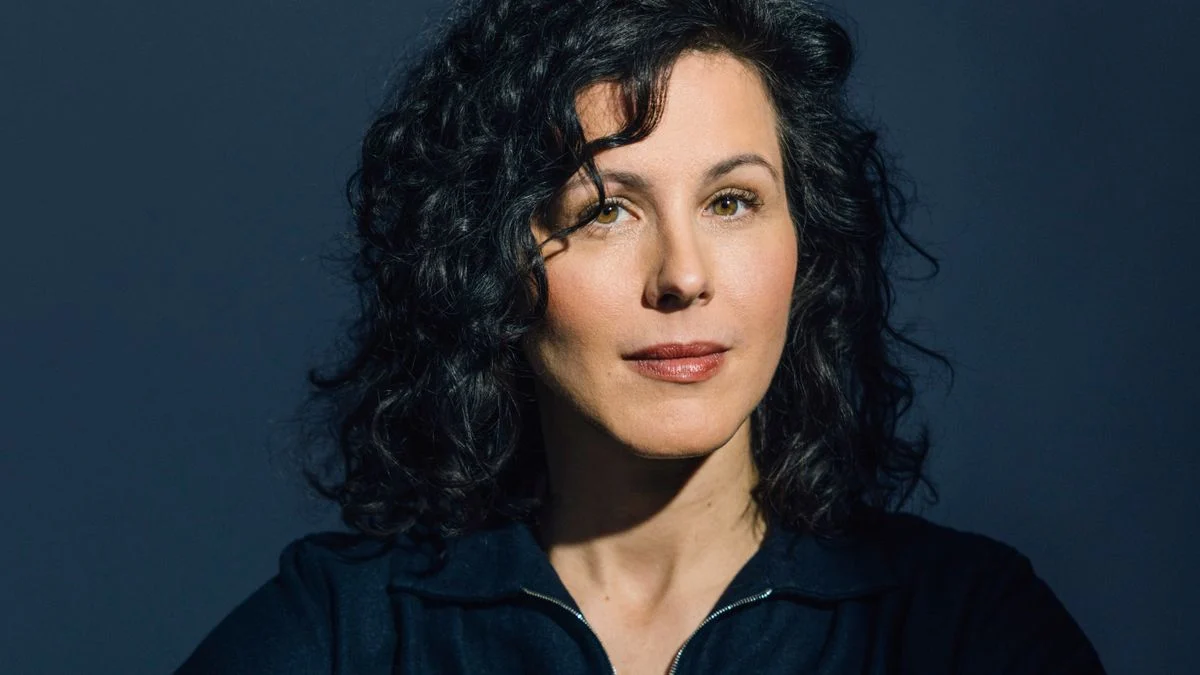
The core of the legal dispute revolves around the methods employed by journalists during the production of long-form, investigative podcasts. Anne Kunze, an established reporter, was summoned to testify regarding the extent of her involvement with Klara, a central figure in the narrative she was investigating.
The defense has raised critical questions: Did the reporter maintain a professional distance, or did the journalistic process exert undue influence on the subject’s actions? At the heart of the dispute is the claim made by Kunze during her testimony: "Klara said she wanted to be part of the podcast." This statement, while intended to establish consent, has become a focal point for defense attorneys who argue that "wanting to be part of" a high-profile investigation does not necessarily equate to a legally or ethically informed understanding of the consequences of that exposure.
The "Block" trial serves as a barometer for how modern media organizations navigate the gray area between investigative transparency and the exploitation of personal narratives. As the case proceeds, the court must determine whether the journalistic pursuit of "the truth" compromised the rights of those caught in the spotlight.
Chronology: A Timeline of Exposure and Litigation
To understand the current impasse, one must look at the timeline leading up to the trial:
- Early Investigative Phase: The Die Zeit team begins looking into the subject matter of the "Block" project, establishing contact with various stakeholders, including Klara.
- The Consent Discussions: According to Kunze, multiple conversations were held regarding the scope of the project. It was during these sessions that Klara allegedly expressed a desire to be featured.
- Podcast Release: The "Block" podcast premieres to significant critical acclaim but immediate pushback from legal circles regarding the portrayal of specific individuals.
- Initial Litigation: Legal challenges are filed, alleging that the reporting methods were intrusive and that the subjects were not adequately protected from the repercussions of the broadcast.
- The Court Summons: Anne Kunze is called to testify. The defense seeks to uncover the internal editorial standards used during the production, specifically focusing on the power dynamics between the interviewer and the subject.
- The Current Trial: The court is currently hearing testimonies to ascertain if journalistic privilege shields these interactions or if the pursuit of the story crossed into active participant-interference.
Supporting Data: The Impact of Media Consumption
The debate is not merely philosophical; it is supported by the changing landscape of digital media. Studies indicate that "true crime" and investigative audio journalism have seen a 30% increase in listener engagement in Germany over the last three years. This surge in popularity brings with it a commercial pressure to secure exclusive interviews and "insider" access.
Data from media ethics watchdog groups suggests that:
- Subject Vulnerability: Over 60% of participants in long-form investigative media report feeling "misrepresented" or "regretful" after the publication of the material, regardless of initial consent.
- The "Podcast Effect": The intimacy of audio storytelling creates a parasocial bond, making subjects more likely to agree to disclosures they might withhold in a traditional written interview.
- Legal Precedent: In the German judicial system, the threshold for "privacy in the public interest" is high. However, the use of recorded conversations as evidence in this trial suggests a tightening of the interpretation of these laws.
Official Responses: The Battle of Ethics
The journalistic community has rallied behind Anne Kunze, citing the protection of sources and the independence of the press. A spokesperson for Die Zeit emphasized that the editorial board adheres to the highest standards of the German Press Council (Deutscher Presserat). They argue that the subject was an active participant who understood the platform and the potential reach of the project.
Conversely, legal experts representing the opposing side have characterized the podcast’s production as a "manufactured narrative." They argue that when a journalist encourages a subject to "be part of" the story, they transition from an observer to an active participant, thereby losing the objective detachment that grants them certain legal protections.
The judiciary remains cautious. The presiding judge has indicated that while the freedom of the press is a cornerstone of democracy, it does not grant a "blank check" to bypass the protections afforded to individuals—particularly when those individuals are placed in situations that may lead to legal or social jeopardy.
Implications: The Future of Investigative Journalism
The "Block" trial is expected to set a landmark precedent for how German courts view the relationship between reporters and their subjects. If the court rules that Kunze’s methods were overreaching, it could lead to:
- Stricter Editorial Oversight: Media houses may be forced to implement more rigorous legal vetting processes before allowing journalists to record sensitive interviews, potentially slowing down the pace of investigative reporting.
- Informed Consent Standards: Future journalistic projects might require written, legally binding consent forms that explicitly detail the risks of media exposure, moving away from the more fluid, verbal agreements that currently define many investigative podcasts.
- The "Chilling Effect": Critics of the current litigation fear that a ruling against the journalists will discourage reporters from tackling complex, controversial subjects, as the risk of being dragged into a lawsuit becomes too high for individual reporters to bear.
Ultimately, the case forces a reckoning with the definition of consent in the digital age. As our society becomes increasingly comfortable with "living out loud" on social media and podcasts, the lines between personal trauma and public entertainment have blurred. The "Block" trial asks a fundamental question: Is the truth worth the cost of the individual’s peace of mind?
As the proceedings continue, the eyes of the media world remain fixed on the courtroom. The outcome will not only impact the reputation of those involved but will likely reshape the legal and ethical framework for investigative storytelling for years to come. For now, the testimony of Anne Kunze remains the fulcrum upon which the entire case pivots, highlighting the inherent tension between the duty to inform and the duty to protect.
Note: This article provides a comprehensive overview of the ongoing legal proceedings. The situation remains fluid as further testimonies are scheduled for the coming weeks.