Washington D.C., October 14, 2026 – The United States finds itself at a pivotal juncture, grappling with a myriad of domestic political controversies and significant shifts in its foreign policy under President Donald Trump’s second term. From reconsidering stringent oil sanctions to a highly charged election landscape and unprecedented presidential rhetoric, the nation is navigating a turbulent path that impacts global markets, international alliances, and the very fabric of its democratic institutions.
Recent developments highlight a White House simultaneously pushing for economic adjustments, engaging in high-stakes diplomacy, and facing mounting scrutiny over its internal operations and public communications. Key among these are discussions around easing sanctions on the so-called "shadow fleet" of oil tankers, President Trump’s provocative statements regarding national security leaks, and the Democratic Party’s strategic preparations for the upcoming Congressional elections.

Revisiting Sanctions: The Shadow Fleet and Global Oil Markets
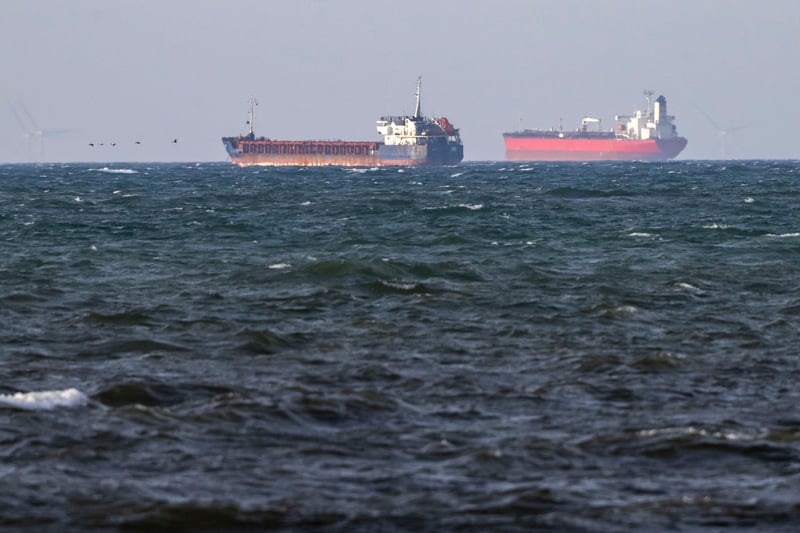
The Trump administration is reportedly considering a significant policy shift by easing sanctions on the "shadow fleet" of tankers, vessels primarily involved in transporting oil and refined products from sanctioned nations like Russia, Iran, and Venezuela. This move, confirmed by a US government official and reiterated by US Energy Secretary Chris Wright at the World Energy Congress in Riyadh, aims to address the soaring global freight costs that have impacted energy markets.
Rationale and Controversy
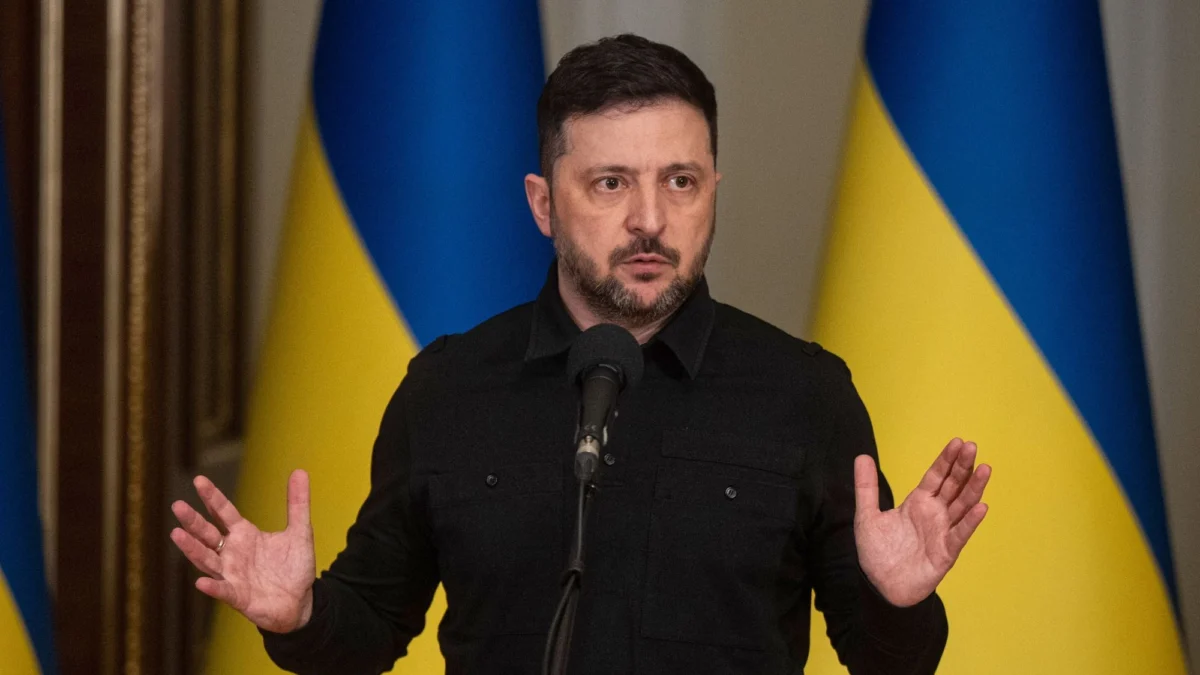
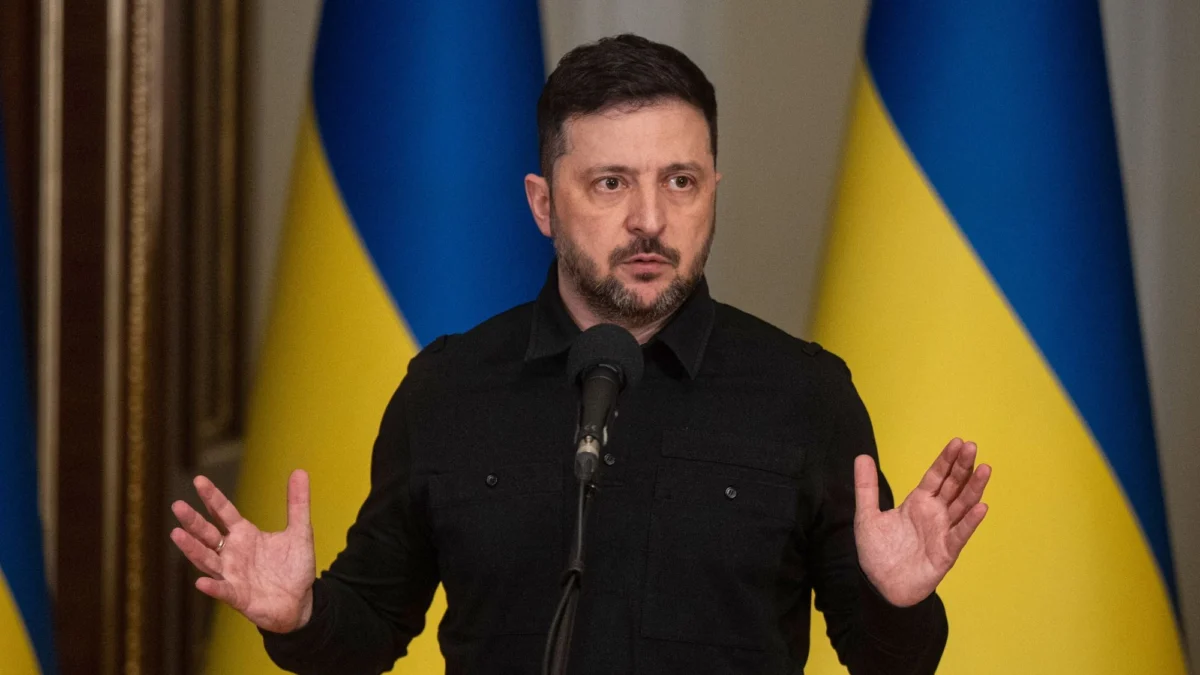
The proposed relaxation would permit the transport of non-US-sanctioned oil and products on ships that have previously faced restrictions. The primary objective, according to an insider on Wednesday, is to inject more crude and refined products from the Gulf region into the global market, thereby alleviating price pressures. This initiative comes shortly after President Trump controversially lifted sanctions on Russian diesel until April 7, a decision that drew sharp criticism from Ukrainian President Volodymyr Zelenskyy, several European nations, and even some Republican senators within Trump’s own party. Critics argue that such moves undermine international efforts to curb the financial lifelines of adversarial regimes and could be perceived as a concession rather than a strategic economic adjustment.
Supporting Data and Market Implications
The research group Energy Aspects highlighted Secretary Wright’s comments, underscoring the administration’s concern over "extremely high global freight costs." These costs are a significant component of the overall price of oil and gas, directly affecting consumers and businesses worldwide. By increasing the available fleet for oil transport, the administration hopes to reduce bottlenecks and lower shipping expenses, which in turn could lead to a decrease in global energy prices. However, the long-term geopolitical implications of such a policy are complex. Easing restrictions on vessels linked to sanctioned countries could inadvertently legitimize or embolden these "shadow operations," potentially complicating future enforcement efforts and weakening the broader sanctions framework. The delicate balance between economic relief and maintaining international pressure on rogue states remains a central challenge for US foreign policy.
The Greenland Paradox: Oil Dreams vs. Reality
Amidst the global energy discussions, President Trump recently ignited a debate regarding the resource potential of Greenland. In a post on his Truth Social platform, the President claimed that "massive explorations" for oil, gas, and mineral deposits were "imminent" on the Arctic island, which he controversially referred to as "our new and beautiful Greenland." He further asserted that experts believed Greenland’s easily accessible oil reserves were "far greater than almost any other area in the world."
Official Rebuttal and Economic Realities
However, the Greenlandic government swiftly contradicted Trump’s claims. Jørgen Hammeken-Holm, a high-ranking official from Greenland’s Ministry of Economy, told CNN that while there were activities by US companies, the island was "very far" from any "massive" exploration. He clarified that numerous smaller exploration projects were underway, but it would take "years" before any of these could become operational. Indeed, the extraction of raw materials in Greenland has long been recognized as a challenging and costly endeavor due to the harsh Arctic environment and logistical complexities.
Political Context
Trump’s statements appear to be part of a broader effort to address domestic concerns over rising energy prices, particularly gasoline, which have put pressure on his administration and the Republican Party just weeks before critical Congressional elections. His aggressive rhetoric regarding Greenland’s resources, reminiscent of his previous attempts to purchase the island, underscores a strategy to project strength and offer solutions to economic grievances, even if those solutions are speculative or contradicted by local authorities. The episode highlights the friction between political messaging and on-the-ground realities in resource diplomacy.
The Political Battleground: Elections, Rhetoric, and Governance
The political landscape leading up to the November Congressional elections is intensely charged, marked by President Trump’s characteristic rhetoric, the Democratic Party’s strategic planning, and ongoing debates over media access and government transparency.
Trump’s Unprecedented Ambitions and Controversial Statements
President Trump continues to shape the political narrative with his bold claims and often inflammatory remarks, keeping both allies and adversaries on edge.
Future Plans and Constitutional Limits
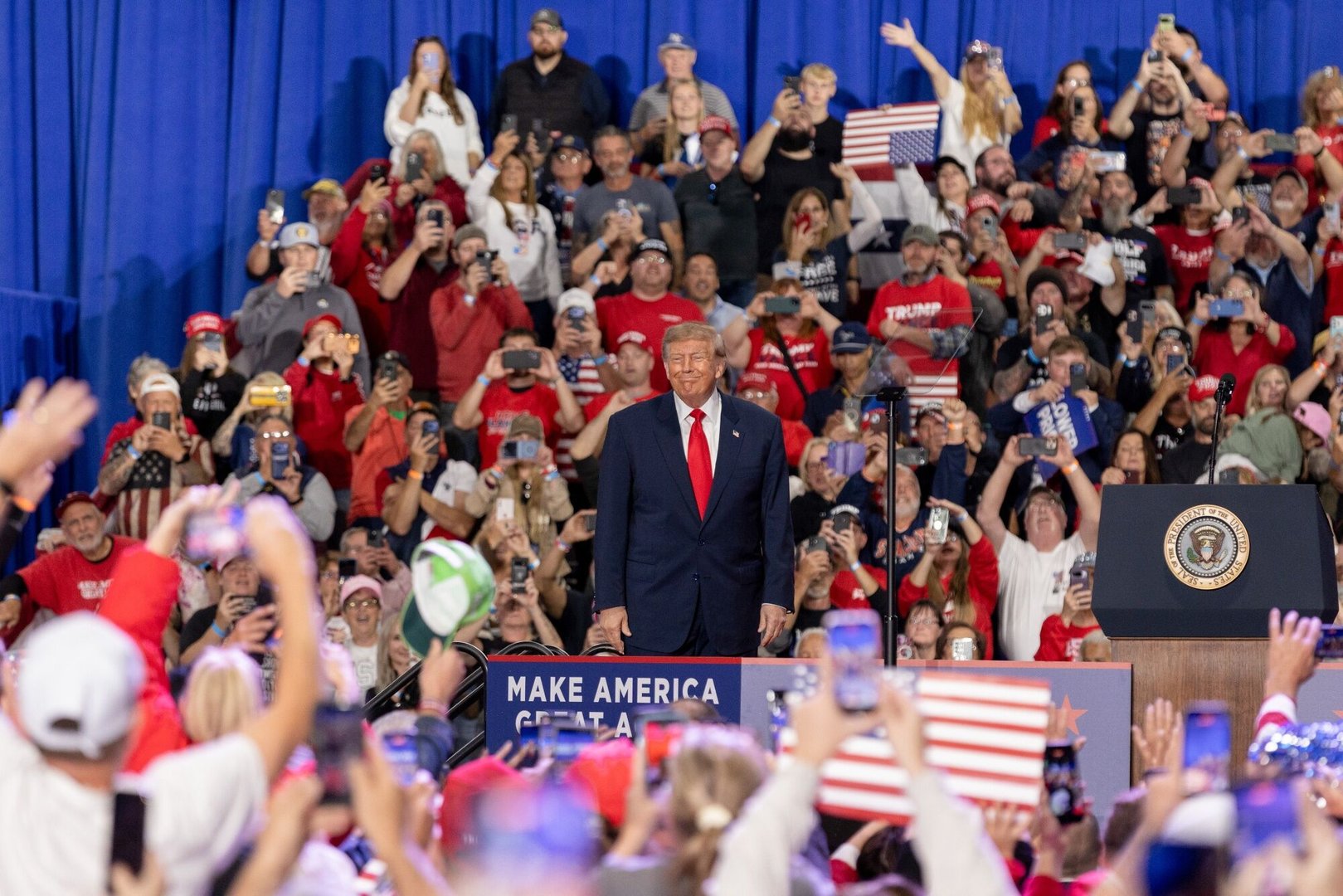
At a campaign rally in Arizona, President Trump promised "things no one has seen before" for the "remaining two years of his term." While acknowledging the constitutional clause limiting a president to two terms, he stated he would "love to stay longer," but that the clause was "pretty hard to get around." He also sought to reassure his supporters, noting the Republican Party has a "strong bench" of potential leaders who would satisfy them. These statements, delivered in October 2026, suggest a presidency in its second half, hinting at ambitious, possibly unconventional, policy initiatives.
Rhetoric on Leaks and Opposition
In a stark and controversial declaration at the same Arizona rally, President Trump asserted that informants who leak sensitive military operation details to the press "should be shot." He specifically referenced an unnamed tipster who allegedly divulged the timing of attacks on Iranian nuclear facilities during "Operation Midnight Hammer" in June 2025. Trump justified his stance by stating such measures were "customary in the old days." This statement immediately sparked debate over freedom of the press, whistleblower protections, and the President’s approach to national security.
Further exacerbating political tensions, Trump launched a scathing attack on Democratic Congresswoman Ilhan Omar (Minnesota) at a rally in Youngstown, Ohio. He targeted her Somali heritage, claiming she came from a country "without laws, without police, without military" where people "just shoot each other." He then criticized her for coming to the US and "lecturing Americans on the Constitution," despite her origins from "one of the worst countries in the world." The crowd responded with chants of "Deport her!" This incident followed federal agents searching Omar’s home, which she denounced as an intimidation campaign orchestrated by Trump. Such rhetoric is characteristic of Trump’s political style, often mobilizing his base while alienating opponents and drawing accusations of xenophobia and undermining democratic norms.
Democratic Counter-Strategy and AI in Elections
As the Congressional elections loom, the Democratic Party is preparing a robust agenda, while the broader technological landscape sees new players like AI chatbots entering the election information space.
Democrats’ 100-Day Blitz Program
House Democrats are reportedly crafting an ambitious 100-day agenda, ready to be implemented immediately if they secure a majority in the November elections. This "blitz program" will focus on two core campaign promises: making life more affordable for Americans and instituting comprehensive oversight of the Trump administration. Current faction leader Hakeem Jeffries, who would likely become Speaker of the House in the event of a Democratic victory, outlined four key priorities that the party would "unitedly pursue from the starting line." This proactive approach signals a clear intent to quickly reverse some of the Trump administration’s policies and establish a strong checks-and-balances mechanism.
Anthropic’s Claude: Navigating Election Information
In a move reflecting the increasing integration of technology into political processes, AI company Anthropic announced its plan to incorporate official election information and results into its chatbot, Claude, ahead of the US Congressional elections in November. Starting this month, US users seeking information about the election process will receive answers directly sourced from the database of the non-profit organization Democracy Works. Anthropic’s stated goal is to position Claude as a useful tool for political discussions while simultaneously working to prevent misuse related to the elections. This initiative highlights a growing trend among AI firms to establish their chatbots as credible news and information sources, potentially attracting more users during the high-stakes election season, but also raising concerns about the spread of misinformation and the accuracy of AI-generated content in a sensitive political context.

White House Communications and Media Relations
The White House’s relationship with the press continues to be a point of contention, characterized by changes in leadership and ongoing legal battles over access.
New Press Secretary’s Rocky Debut
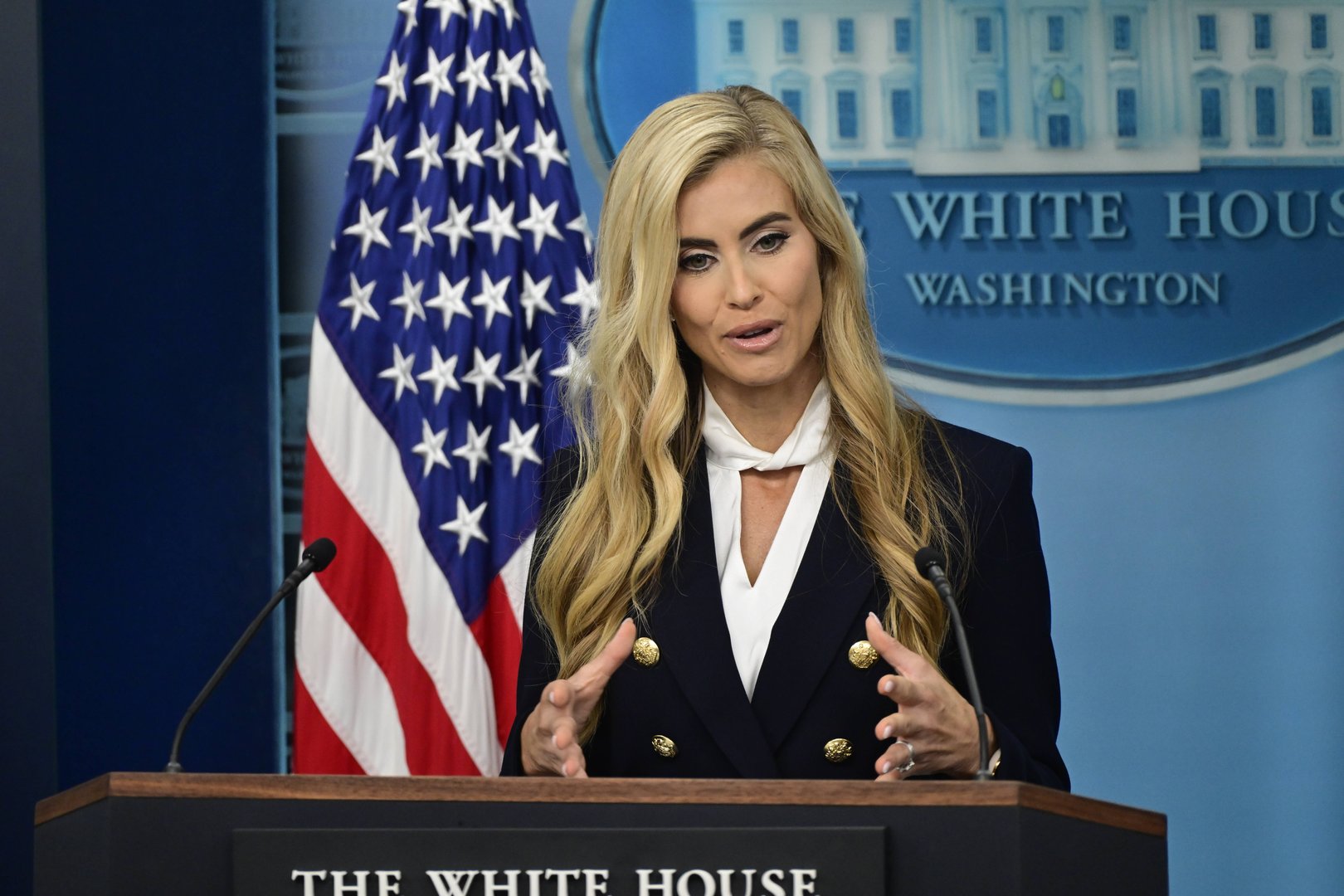
Katie Zacharia, the newly appointed White House spokeswoman, experienced a tumultuous first press conference. The event concluded in less than fifteen minutes, with Zacharia allowing only three questions after delivering a lengthy, mostly read statement. She appeared visibly nervous, at one point mistakenly referring to her "president" instead of her "husband" when asked about her family. Zacharia explicitly stated her intention to bring "new media" – largely interpreted as right-wing and government-friendly outlets – into the White House briefings, a strategy previously adopted by her predecessor, Karoline Leavitt. Her first question was directed to the conservative online medium "Breitbart." Zacharia, a former television commentator known for her staunch conservatism, loyalty to Trump, and past associations with conspiracy theories, replaced Leavitt, who resigned in late August. This debut underscored the administration’s continued preference for favorable media narratives and its strained relationship with mainstream press.

Judicial Safeguards for Press Access
In a significant victory for press freedom, US federal judge Timothy Kelly extended an order prohibiting the Trump administration from denying White House access to journalists from CNN, MS NOW, and Politico. The decision, which converts a temporary order into a preliminary injunction, ensures these media outlets retain their permanent press passes while their lawsuit against the administration proceeds. Judge Kelly indicated that the three media organizations were likely to succeed on the merits of their claims, which are based on freedom of speech and the right to due process. Notably, Judge Kelly, himself a Trump nominee, added a nuance to his ruling: while protecting press access, he emphasized that his decision did not validate or invalidate Trump’s criticisms of media accuracy or fairness, nor did it suggest the government was powerless to protect national security in cases of unauthorized information leaks. This ruling underscores the judiciary’s role in upholding constitutional principles amidst executive challenges to press freedom.
Antitrust Scrutiny for TV Pool
The US Department of Justice has initiated an investigation into potential antitrust violations by the major broadcasters participating in the White House TV pool – ABC, CBS, CNN, NBC, and Fox News. This inquiry follows a temporary suspension of these networks’ coverage of President Trump. Reports from the New York Times and other media, citing a DOJ spokesperson and internal sources, indicate that the department contacted the media outlets on Friday, requesting documents related to the pool arrangement. The TV pool system is a long-standing practice where major networks rotate coverage of presidential events and travel, sharing material and costs. While designed for efficiency and resource sharing, the DOJ’s scrutiny suggests concerns that this cooperative arrangement might be inadvertently or intentionally limiting competition or manipulating coverage, especially in the context of recent White House tensions with the press.

International Relations and Military Posture
The US continues to engage in complex international relations, marked by strategic military deployments, diplomatic tensions, and high-stakes negotiations.
Shifting Alliances and Military Deployments
**Strengthening Eastern Flank: US Troops in Lithuania