The recent coordinated cyberattack against French supermarket chains, which resulted in the widespread forced defrosting of refrigeration units across hundreds of locations, has sent shockwaves through the global retail and cybersecurity sectors. As tons of perishable food were rendered unfit for consumption, the incident served as a stark reminder of the fragile nexus between critical infrastructure and the digital realm. The attack has prompted urgent warnings from government agencies, including Germany’s Federal Office for Information Security (BSI), which views the event as a blueprint for potential future disruptions.
The Anatomy of the Attack: Chaos in the Cold Chain
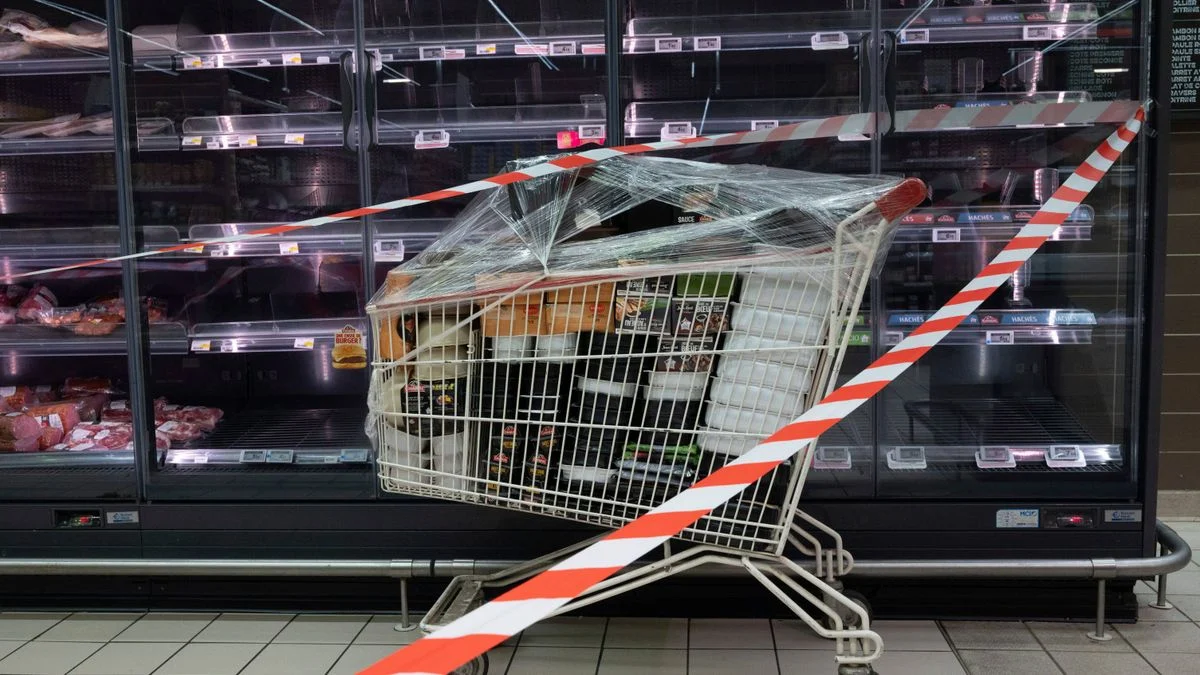
Over the course of a single weekend, approximately 700 supermarkets across France fell victim to a sophisticated cyber-intrusion. Unlike traditional ransomware attacks that typically target data encryption for financial extortion, this operation was explicitly designed to cause physical damage and logistical disruption.
The attackers exploited pre-existing security vulnerabilities within the digital control systems that manage commercial refrigeration. By gaining unauthorized access to the industrial control systems (ICS) of these cooling units, the hackers triggered a "defrost mode" sequence remotely. In the dead of night leading into Monday, these systems were reportedly forced to heat up to temperatures as high as 50 degrees Celsius (122 degrees Fahrenheit).
The results were immediate and catastrophic for inventory management. The sudden spike in temperature not only spoiled vast quantities of meat, dairy, and fresh produce but also triggered automatic fire alarms in many stores, creating a secondary layer of panic and emergency response. While French government officials, including Finance Minister Roland Lescure, have confirmed that there are no acute food shortages, the incident is being treated as a "wake-up call" for the retail industry. The economic fallout, while still being calculated, involves not just the loss of inventory but also significant costs related to emergency maintenance, decontamination, and temporary store closures.
The Technical Gateway: Exploiting the "Technician’s Backdoor"
The success of the attack was not rooted in a singular "zero-day" exploit but rather in a systemic failure of cybersecurity hygiene. Investigations have identified the vulnerabilities as residing in cooling systems manufactured by Danish firm Danfoss and US-based corporation Copeland.
Specifically, the hackers targeted a feature designed for convenience: a remote-access "backdoor" intended to allow external maintenance technicians to troubleshoot systems without being physically present. These access points, which were designed to be temporary, were protected by passwords that proved to be remarkably easy for attackers to crack.
Despite both manufacturers having released firmware updates to address these vulnerabilities, a significant number of supermarket chains failed to implement the patches. Cybersecurity researchers noted that many of these refrigeration systems remained directly exposed to the open internet, essentially acting as an invitation to malicious actors.
In response to the incident, Danfoss issued a statement clarifying that they have long advised customers to keep firmware updated and to operate these systems behind secure firewalls. Copeland echoed these sentiments, emphasizing that the compromised systems in question were largely outdated versions that lacked modern security protocols. The discrepancy between manufacturer recommendations and the actual implementation in retail environments highlights a critical "patch gap" that continues to haunt the Internet of Things (IoT) landscape.
The Response of the BSI: A Warning to Europe
The implications of the French incident extend well beyond the borders of France. Claudia Plattner, the head of Germany’s Federal Office for Information Security (BSI), did not mince words when addressing the incident. "The events in France clearly show how cyberattacks can influence and disrupt our everyday lives," Plattner stated. She warned that such an attack could have occurred in any country and cautioned that, given the ease of the methodology, it is highly likely to inspire copycat attacks.
The BSI has moved quickly to issue guidance to German retailers. While there have been no confirmed attacks on German food suppliers to date, the agency is demanding a shift in how retailers approach the security of their operational technology (OT). The BSI’s mandate is clear: any control system accessible via the internet must be secured according to current state-of-the-art standards.
Specifically, the BSI recommends three immediate actions for retailers:
- Total Isolation: Terminate direct internet access for all industrial control systems.
- Multi-Factor Authentication (MFA): Implement mandatory MFA for any remote access that is strictly necessary for maintenance.
- Aggressive Patch Management: Treat firmware updates with the same urgency as critical software patches in an IT environment, ensuring they are deployed immediately upon release.
A Broader Pattern: The Ahold Delhaize Incident
The French incident does not appear to be an isolated event. Simultaneously, the Dutch retail giant Ahold Delhaize has been struggling with a separate, high-profile IT attack. While initial investigations suggest no direct link between the two, the timing has intensified concerns about the vulnerability of the European food supply chain.
Ahold Delhaize, which operates the Albert Heijn chain in the Netherlands, the Delhaize brand in Belgium, and several subsidiaries in the United States, reported that their internal systems were crippled. While customers could still physically enter stores and purchase goods, the digital infrastructure—including loyalty programs, discount systems, and the electronic display of promotional pricing—remained offline for an extended period.
This parallel incident demonstrates that even if a retailer manages to keep its physical refrigeration systems secure, the digital ecosystem that supports modern retail—from supply chain logistics to point-of-sale systems—remains a lucrative and vulnerable target for cybercriminals.
Implications for the Future of Retail Infrastructure
The "refrigeration hack" represents a shift in the philosophy of cyber warfare. For years, the retail industry focused primarily on protecting credit card data and customer PII (Personally Identifiable Information). The French attacks demonstrate that the physical "backend" of retail—the systems that ensure food safety—is now a prime target for disruption.
This shift necessitates a paradigm shift in industrial security. Several key themes emerge from the aftermath of the French attack:
1. The Convergence of IT and OT
Traditionally, IT (information technology) and OT (operational technology) were siloed. Refrigeration units were seen as "dumb" hardware, often maintained by third-party HVAC contractors who prioritized uptime over security. The digitization of these systems has removed the air gap that once protected them. Retailers must now integrate OT security into their primary IT security strategy.
2. Supply Chain Accountability
The manufacturers of industrial hardware are now under increased pressure to ensure that their products are "secure by design." This means shipping products with default security settings that are robust, rather than leaving the burden of security configuration entirely on the end-user. The "technician’s backdoor" must be replaced by more secure, encrypted VPN tunnels that do not rely on easily guessable, hard-coded credentials.
3. Regulatory Pressure
Given the potential for mass food waste and the disruption of a vital public service, it is likely that governments will move toward stricter regulation of retail infrastructure. If retailers fail to self-regulate, they may face mandates similar to those applied to energy and water utilities, requiring mandatory security audits and the implementation of specific cybersecurity standards.
4. The Human Element
As the BSI noted, the security measures required are "straightforward and simple to implement." The fact that they were not implemented points to a failure of oversight and a lack of awareness among corporate management. Cybersecurity is no longer just a task for the IT department; it is a fiduciary responsibility for the Board of Directors, as it directly impacts the physical viability of the business.
Conclusion: A New Frontier of Risk
The sabotage in France is a harbinger of a new era of risk. As our world becomes increasingly interconnected, the distinction between a digital error and a physical crisis is vanishing. A password left unchanged, an update ignored, or a port left open to the internet can now lead to millions of euros in losses and the destruction of tons of food.
The retail industry must now grapple with the reality that they are no longer just selling groceries; they are operating critical infrastructure. The lesson from the French supermarket hack is clear: in an age where everything is connected, security must be the foundation, not an afterthought. As businesses move forward, the question is no longer whether they will be targeted, but how resilient they will be when the next attempt occurs. The "wake-up call" has been sounded; it remains to be seen how quickly the global retail sector will answer.