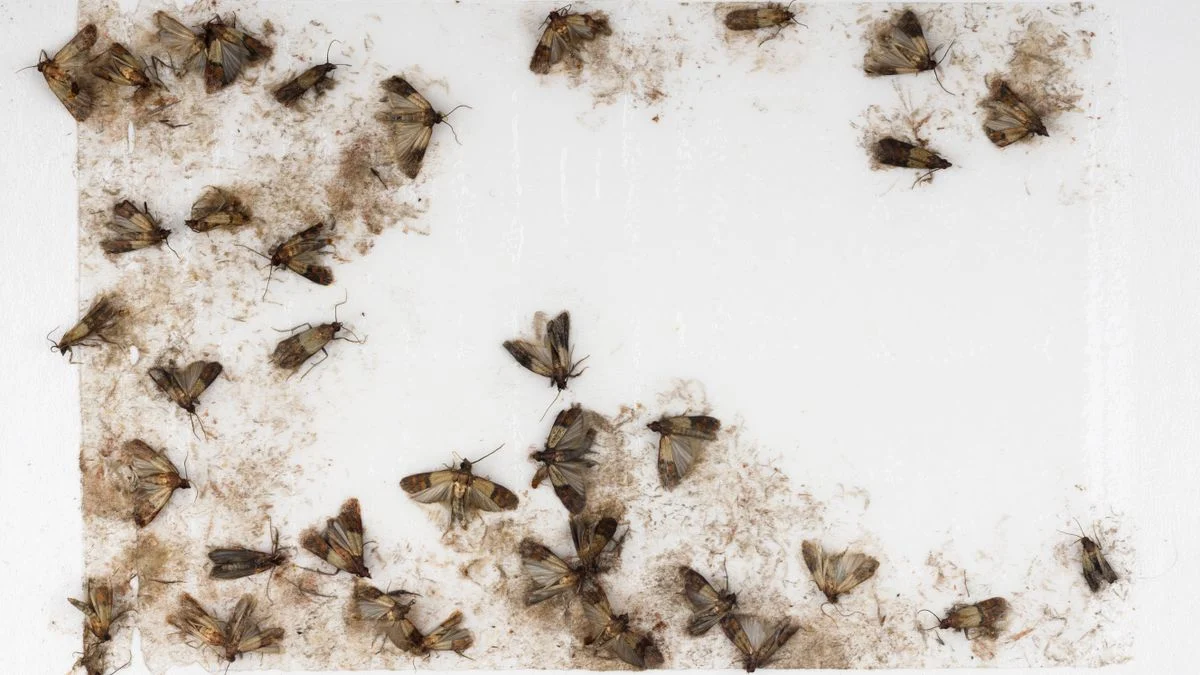
Pantry moths—scientifically known as Plodia interpunctella, or more colloquially as the Indian meal moth—are among the most frustrating domestic pests encountered by homeowners. Unlike clothes moths, which target textiles, pantry moths are specialized invaders that turn our kitchens into breeding grounds. For many, the first sign of an infestation is a small, fluttery insect circling the ceiling, followed by the discovery of sticky, web-like silk in a bag of flour or a forgotten box of cereal.
Dealing with these insects requires more than just a flyswatter; it demands a systematic, science-backed approach to sanitation, storage, and biological control. This guide examines the lifecycle of the pantry moth, effective eradication strategies, and how to prevent these persistent insects from ever returning to your pantry shelves.
The Main Facts: Understanding the Invader
The Indian meal moth is not a native pest that seeks out your home for shelter; it is a hitchhiker. In the vast majority of cases, pantry moths are introduced to the home inside store-bought goods. Larvae or eggs may be present in dry food products—such as grains, cereals, flour, dried fruits, nuts, chocolate, and pet food—having been introduced during the harvesting, processing, or packaging stages.
The Lifecycle of Plodia interpunctella
To eradicate them, one must understand their biology:
- The Egg: Almost microscopic, females lay hundreds of eggs directly onto or near food sources.
- The Larva: This is the destructive phase. The larvae are small, cream-colored caterpillars with dark heads. They produce the signature silk webbing that contaminates food.
- The Pupa: Once mature, the larvae leave the food source to find a dark, quiet crevice (often in pantry shelving or container lids) to spin a cocoon.
- The Adult: The moth emerges to mate and begin the cycle anew. Adults do not actually eat; they are focused solely on reproduction.
A Chronology of Infestation: From Entry to Outbreak
The progression of an infestation often follows a predictable, albeit insidious, timeline.
Phase 1: The Incubation (Weeks 1–4)
The infestation begins when a consumer brings home an infested product. The larvae are often already feeding inside the packaging. During this period, the damage is internal and usually goes unnoticed.
Phase 2: The Emergence (Weeks 5–8)
As the larvae mature, they seek out cracks in shelves or the undersides of cabinets to pupate. Simultaneously, the first generation of adults emerges. If you see one moth, it is highly likely there are dozens of larvae already feeding in your cupboards.
Phase 3: The Colonization (Weeks 9+)
If left unchecked, the moths will spread to adjacent food items. They are capable of chewing through thin plastic bags and cardboard, meaning an infestation that starts in a box of muesli can quickly migrate to your supply of organic flour or spice jars.
Supporting Data: Why Standard Cleaning Isn’t Enough
Entomological studies on Plodia interpunctella indicate that the species is highly resilient to standard household cleaners. A common misconception is that wiping down shelves with soap and water will end the cycle. However, the larvae are experts at hiding in the "hidden architecture" of a kitchen—the tiny holes for shelf pegs, the underside of hinges, and the gap behind baseboards.
Research conducted by agricultural extension services suggests that the survival rate of larvae in a clean but un-purged kitchen remains high. Because the pupae can remain dormant in microscopic cracks for weeks, a "deep clean" must be paired with the removal of all compromised food sources.
Official Responses and Expert Recommendations
Pest control professionals and food safety experts emphasize that the primary defense against pantry moths is rigorous containment.
The "Clean-Out" Protocol
- Empty Everything: Remove every item from the pantry.
- Inspect: Do not just look for moths; look for the "webbing." If a bag of flour has clumps that look like cobwebs, it is infested.
- Vacuum: Use a vacuum with a hose attachment to clear out the corners of shelves and hinges where pupae may hide.
- Disinfect: Use a solution of vinegar or a specialized food-safe insecticide. Vinegar is preferred by many as it disrupts the scent trails used by moths for mating.
- Freeze: If you suspect an item might be contaminated but aren’t sure, placing it in a freezer at 0°F (-18°C) for at least 72 hours will kill all life stages of the insect.
Strategic Storage
Experts universally recommend transitioning from cardboard and paper packaging to airtight glass or hard plastic containers. Pantry moths cannot penetrate high-quality rubber-sealed glass jars, which effectively isolates the food and prevents a localized infestation from spreading across the entire kitchen.
Implications: The Psychological and Economic Toll
The presence of pantry moths represents more than just a nuisance; it results in significant food waste. Every year, households discard millions of dollars in dry goods due to moth contamination. While the larvae are not known to transmit human diseases, the presence of webbing and fecal matter in food renders it unpalatable and hygienically unacceptable.
Beyond the economic impact, there is the psychological "creep factor." The discovery of larvae in food can cause a loss of confidence in the safety of one’s own kitchen, leading to excessive and unnecessary grocery spending as people attempt to "start fresh."
Long-term Prevention Strategies
- The Inspection Habit: Whenever you buy dry goods, inspect the packaging for pin-sized holes or signs of leakage before putting it in your cart.
- Rotation: Use the "First In, First Out" (FIFO) method. Do not let bags of flour sit in the back of the pantry for years.
- Pheromone Traps: For those currently dealing with an infestation, pheromone traps are an excellent tool. These traps use the scent of female moths to lure and trap males, effectively breaking the reproductive cycle. However, they should be used as a supplement to, not a replacement for, deep cleaning.
Conclusion: Reclaiming the Kitchen
Winning the war against pantry moths requires patience and persistence. It is not a battle won in a single afternoon. By adopting a strict protocol of inspection, transferring dry goods to airtight storage, and ensuring that no "forgotten" food items remain in the dark corners of your cabinets, you can effectively eliminate these pests.
While the Indian meal moth is a formidable opponent due to its ability to remain hidden in the smallest of spaces, it is ultimately a creature of opportunity. By removing that opportunity—through better storage and vigilance—you can ensure that your kitchen remains a place for food, not a breeding ground for insects. Should the infestation persist despite these measures, consulting a local pest management professional is the next logical step to ensure that the hidden "nests" are identified and neutralized for good.