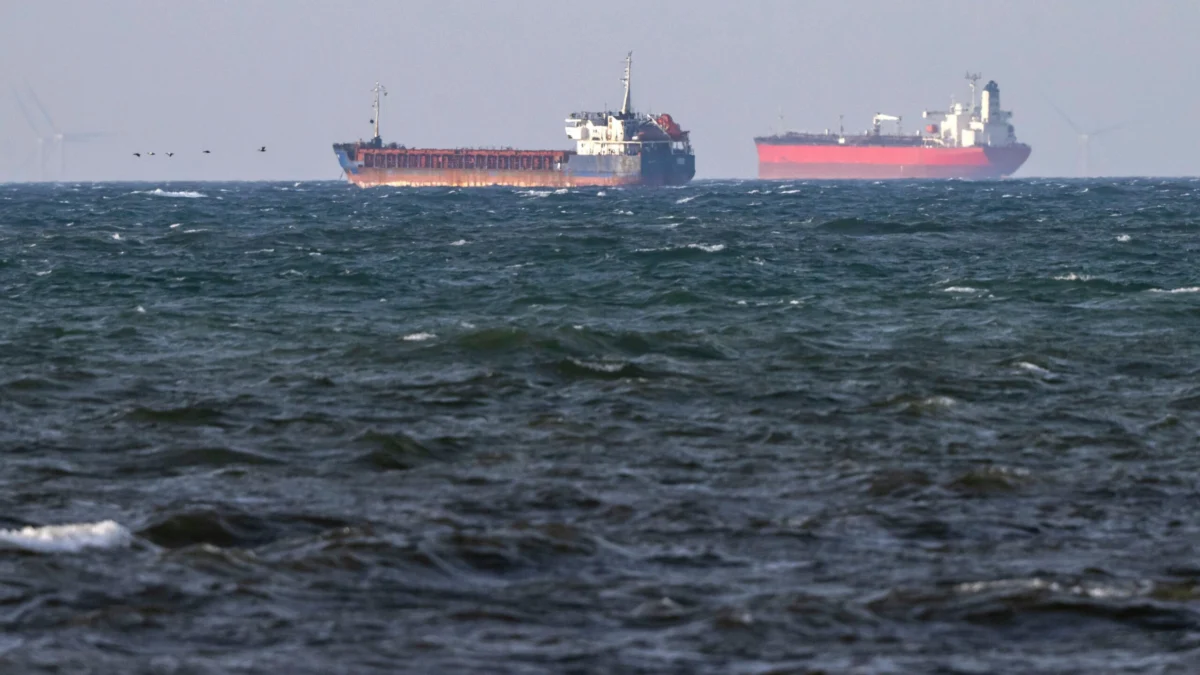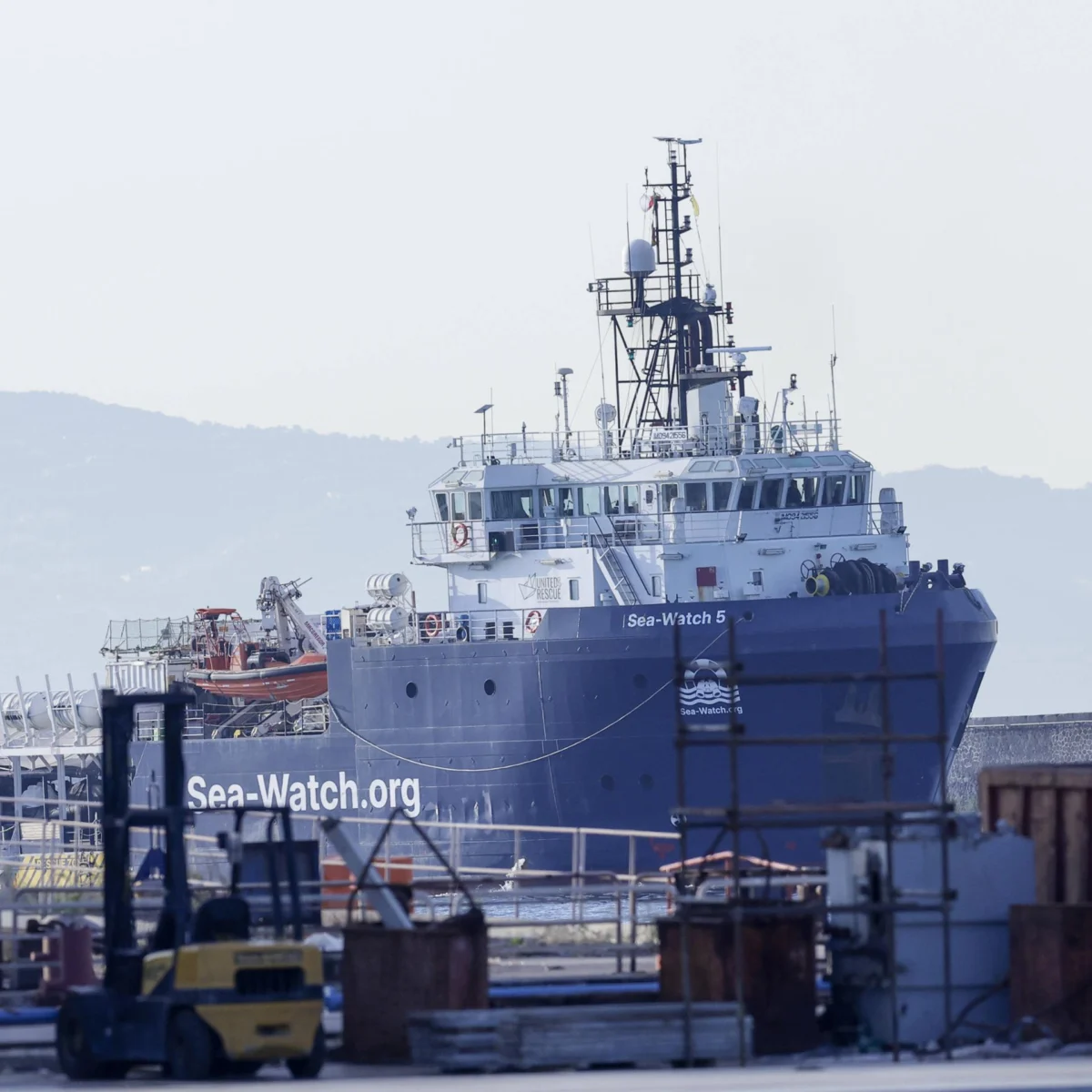
CENTRAL MEDITERRANEAN SEA – October 13, 2026 – In a swift and harrowing series of operations spanning just 48 hours, the German humanitarian organisation Sea-Watch has confirmed the rescue of 227 individuals from extreme distress in the central Mediterranean. The lives were saved across multiple interventions by two of its vessels, the Sea-Watch 5 and the Aurora 2, underscoring the relentless humanitarian crisis unfolding daily on the world’s deadliest migratory route. The operations, while successful in saving lives, were reportedly marred by harassment from unidentified vessels, highlighting the increasingly volatile environment in which rescue missions are conducted.
Following the rescues, both ships were directed by Italian authorities to distant ports for disembarkation – the Aurora 2 to Lampedusa and the Sea-Watch 5 to Civitavecchia, near Rome. This decision, a recurring point of contention between humanitarian organisations and European governments, adds significant time and strain to already exhausted crews and vulnerable survivors, further complicating the critical work of civilian search and rescue (SAR) operations.
The Main Facts: A Race Against Time and Peril
The rescues, which concluded on October 13, 2026, involved multiple groups of people found adrift in precarious, overcrowded boats. The individuals, primarily refugees and migrants originating from North African shores, faced immediate threats from the harsh elements of the open sea, often lacking basic provisions, medical care, and proper navigation equipment. Sea-Watch’s statement emphasised the critical condition of many survivors, including women, children, and individuals suffering from severe dehydration, hypothermia, and trauma.
The Sea-Watch 5 and Aurora 2, both equipped for complex maritime rescue, worked in concert, responding to distress signals and alerts, some potentially relayed by Alarm Phone or Frontex, the European border and coast guard agency. Each rescue operation is a delicate ballet of skill and urgency, involving the safe transfer of individuals from unstable, often deflating, rubber dinghies or dilapidated wooden boats onto the safer decks of the rescue vessels.
A disturbing element reported by Sea-Watch was the harassment encountered by both vessels during their missions. While the identity of the harassing boats remains officially unconfirmed, such incidents often involve state-sponsored coast guards attempting to push boats back or, in some cases, private actors seeking to disrupt rescue efforts. This adds a layer of danger and complexity to an already high-stakes environment, placing both rescuers and those in distress at further risk.
The subsequent assignment of disembarkation ports by Italian authorities saw the Aurora 2 directed to the closer island of Lampedusa, a frequent first point of arrival for many crossers. However, the Sea-Watch 5 was instructed to proceed to Civitavecchia, a journey of several days from the central Mediterranean rescue zone. This policy, widely criticised by humanitarian groups, is seen as a deliberate attempt to limit the operational capacity of NGO vessels by increasing transit times and fuel costs.
Chronology of Desperation and Deliverance
The 48-hour period began with the detection of several boats in distress within the central Mediterranean’s international waters, a zone notorious for its lack of state-led search and rescue coordination.
Day 1: Initial Alerts and First Rescues
- Early Morning (October 11): Both the Sea-Watch 5 and Aurora 2, already patrolling the designated search and rescue zone, received independent alerts concerning multiple vessels in distress. These alerts likely originated from satellite phones on board the migrant boats, relayed by organisations like Alarm Phone, or from aerial surveillance assets. The weather conditions, though not explicitly detailed, were likely stable enough to permit the perilous crossings, but still posed significant risks for unseaworthy vessels.
- Mid-Morning to Afternoon: The Aurora 2 was the first to intercept a heavily overcrowded rubber dinghy, already partially deflated and taking on water. The rescue operation commenced immediately, with small RHIBs (Rigid Hull Inflatable Boats) deployed to approach the fragile craft. Rescuers, trained in first aid and trauma response, prioritised the most vulnerable – women, children, and individuals showing signs of severe medical distress. Over 100 people were safely transferred to the Aurora 2. During this transfer, the crew reported observing an unidentified fast-moving boat in the vicinity, which approached menacingly before retreating.
- Late Afternoon/Evening: Simultaneously, the Sea-Watch 5 located a large wooden fishing boat crammed with an estimated 120-130 individuals. The vessel, clearly not designed for passenger transport, was listing dangerously. This rescue proved more challenging due to the sheer number of people and the structural instability of the boat. The operation extended into the night, illuminated by floodlights, as each person was carefully brought aboard the Sea-Watch 5. Medical teams immediately began triaging and treating the most urgent cases, including several severe cases of fuel burns and exhaustion.
Day 2: Further Operations and Harassment
- Early Morning (October 12): Despite the previous night’s efforts, new distress calls emerged. The Aurora 2, having completed its initial rescue, was directed towards another potential distress case. As it approached the reported coordinates, the crew reported a more direct and sustained act of harassment from an unidentified vessel, described as a grey, unmarked patrol boat. This vessel reportedly performed aggressive manoeuvres, creating dangerous waves and attempting to impede the Aurora 2‘s course, before eventually withdrawing. Despite this, the Aurora 2 successfully rescued another group of approximately 30 individuals from a small, dilapidated boat.
- Afternoon: With both vessels now carrying a significant number of survivors, the focus shifted to securing a Port of Safety (PoS). Italian maritime authorities were contacted, initiating the complex process of assigning a port.
- Evening: The Italian Joint Rescue Coordination Centre (MRCC Rome) issued directives: the Aurora 2 was instructed to proceed to Lampedusa, while the Sea-Watch 5, with a larger contingent of survivors, was assigned Civitavecchia. This decision sparked immediate concern from Sea-Watch due to the considerable distance to Civitavecchia, which would prolong the suffering of the rescued and deplete the vessel’s resources and crew capacity for future operations.
Journey to Port (October 12-13):
The journey to the assigned ports became an extension of the humanitarian mission. On board the Sea-Watch 5, medical staff worked tirelessly to manage the health needs of over 150 people during the multi-day transit to Civitavecchia. Basic sanitation, food distribution, and psychological support became paramount. The Aurora 2 faced similar challenges on its shorter, yet still demanding, journey to Lampedusa. Both crews remained vigilant, ensuring the safety and well-being of all on board until disembarkation.
Supporting Data: A Route Paved with Peril
The central Mediterranean remains one of the most perilous migration routes globally. Data from international organisations consistently highlights the devastating human cost.
- Fatalities: According to the International Organization for Migration (IOM), thousands of individuals perish annually in the Mediterranean. While exact figures fluctuate year-on-year, the trend indicates a persistent and tragic loss of life, often due to capsizing, hypothermia, or dehydration on unseaworthy vessels. Many deaths go unrecorded, making the official figures a conservative estimate.
- Departures: The majority of departures occur from Libya and Tunisia, countries grappling with internal instability, economic hardship, and the presence of sophisticated smuggling networks. These networks exploit the desperation of individuals seeking refuge or a better life in Europe.
- Vessels: The boats used by smugglers are almost universally unfit for open-sea travel. They range from flimsy, overcrowded rubber dinghies to dilapidated wooden fishing boats, often lacking sufficient fuel, life jackets, or communication equipment. Their inherent instability and vulnerability to even moderate sea conditions make every crossing a life-threatening gamble.
- Reasons for Migration: The motivations behind these perilous journeys are complex and multi-faceted. They include escape from conflict (e.g., Sudan, Syria), political persecution, extreme poverty, climate-induced displacement, and dire human rights situations in transit countries, particularly Libya, where migrants often face arbitrary detention, torture, and forced labour.
- Lack of State SAR: A critical factor contributing to the high death toll is the significant reduction in state-led search and rescue operations in the central Mediterranean. Following the scaling back of initiatives like Italy’s Mare Nostrum, civilian NGOs have stepped in to fill a dangerous void, often operating without adequate support or recognition from European states.
Official Responses and European Dilemmas
The response to the ongoing migration crisis in the Mediterranean is characterised by a complex interplay of national interests, international law, and humanitarian concerns.
- Italian Authorities: Italy, as a frontline state, bears a disproportionate burden of arrivals. Its policies towards NGO rescue vessels have hardened over recent years. The assignment of distant ports, a practice frequently employed, is justified by authorities as a means to distribute arrivals across different regions and discourage further crossings. However, critics argue it is a tactic to hinder NGO operations, stretching their resources and forcing them to spend more time at sea rather than in the search and rescue zone. Italian legislation has also, at times, sought to restrict NGO activities, leading to vessel impoundments and legal challenges.
- European Union: The EU’s migration policy remains largely fragmented and controversial. Efforts to establish a unified and humane approach to search and rescue, disembarkation, and asylum processing have largely stalled. The focus has often shifted towards externalising border control, supporting Libyan and Tunisian coast guards, and strengthening Frontex, rather than establishing a robust, state-led SAR mechanism in the central Mediterranean. The principle of solidarity, particularly regarding the redistribution of asylum seekers among member states, continues to be a major point of contention.
- International Law: Under international maritime law, specifically the Safety of Life at Sea (SOLAS) Convention and the United Nations Convention on the Law of the Sea (UNCLOS), shipmasters have a clear obligation to render assistance to anyone in distress at sea. Furthermore, the principle of non-refoulement, enshrined in refugee law, prohibits states from returning individuals to a country where they would face persecution or serious harm. Humanitarian organisations argue that by impeding rescues or delaying disembarkation, states risk violating these fundamental legal principles.
- UNHCR and IOM: The UN Refugee Agency (UNHCR) and the IOM consistently call for increased state-led search and rescue capacity, predictable disembarkation mechanisms, and a more humane and comprehensive European approach to migration. They highlight the urgent need for safe and legal pathways to prevent individuals from resorting to dangerous irregular routes.
Implications and the Road Ahead
The latest rescues by Sea-Watch, while a testament to human courage and solidarity, underscore a deeply entrenched humanitarian crisis with far-reaching implications.
- The Humanitarian Imperative: The sheer number of lives saved reinforces the critical role played by civilian rescue organisations. Without their presence, the death toll in the Mediterranean would undoubtedly be far higher. Their operations are a direct response to a gap left by insufficient state action, acting as a vital last line of defence against maritime tragedies.
- Political Tensions: The ongoing friction between NGOs and European governments, particularly Italy, is set to continue. The debate over "pull factors" – the contentious argument that rescue operations encourage more crossings – persists despite evidence suggesting that push factors (conflict, poverty, human rights abuses) are the primary drivers of migration. This political climate often leads to the criminalisation of solidarity, with rescuers facing legal challenges and public scrutiny.
- European Disunity: The Mediterranean crisis continues to expose profound divisions within the European Union regarding migration policy. The lack of a common, compassionate, and effective strategy not only endangers lives but also undermines the EU’s foundational values of human rights and solidarity.
- The Resilience of Migrants: Beyond the statistics and political rhetoric, each rescue represents an individual story of immense courage, desperation, and hope. The people undertaking these journeys are often fleeing unimaginable circumstances, demonstrating extraordinary resilience in the face of overwhelming odds.
- The Future of SAR: The incident involving harassment by unidentified boats raises serious concerns about the safety and security of rescue operations. Such acts, if allowed to continue unchecked, could further endanger lives and deter legitimate humanitarian efforts. There is an urgent need for clear international protocols and accountability mechanisms to protect SAR vessels and their crews.
- Call for Safe Pathways: Ultimately, the repeated tragedies in the Mediterranean highlight the pressing need for European states to establish safe and legal pathways for those seeking protection and opportunity. Without viable alternatives, desperate individuals will continue to risk their lives on dangerous routes, making humanitarian rescues a continuous, tragic necessity rather than an exceptional measure.
The rescues by Sea-Watch are a stark reminder of the ongoing humanitarian catastrophe unfolding at Europe’s doorstep. As long as people are forced to undertake perilous journeys across the sea, organisations like Sea-Watch will continue to stand as beacons of hope, navigating both the treacherous waters of the Mediterranean and the turbulent currents of European politics to save lives. The question remains: how long can this burden be borne by civil society, and when will Europe forge a truly collective and humane response to this enduring crisis?