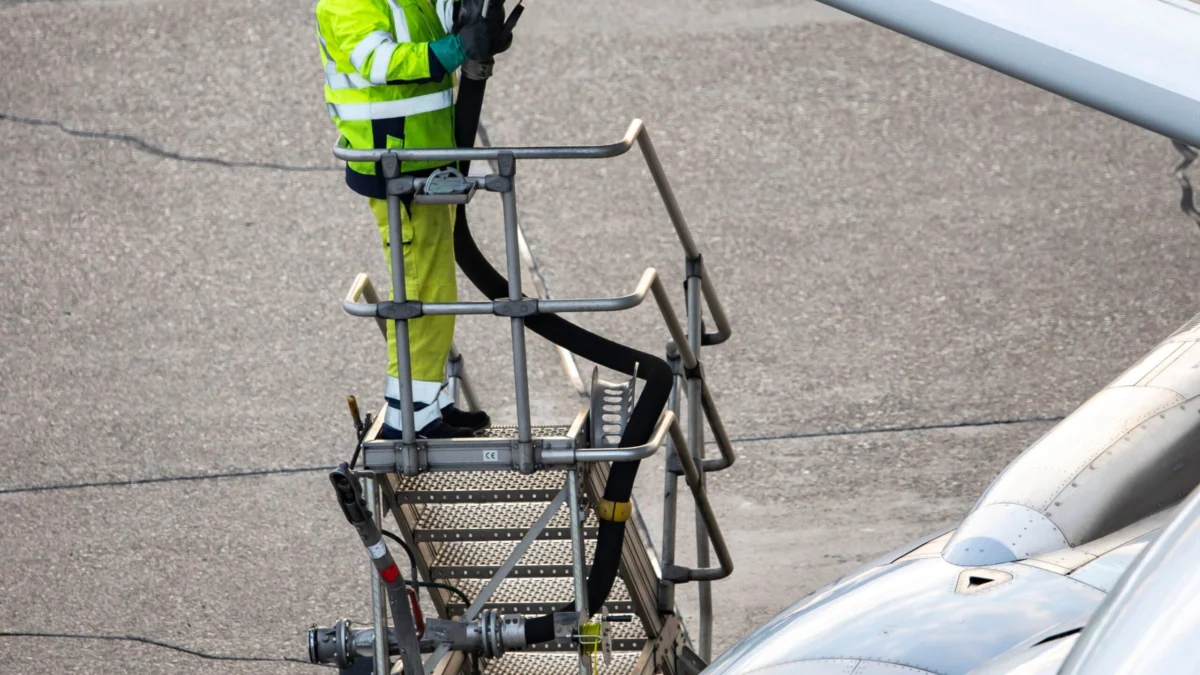
In a decisive move to fortify Germany’s energy security, the Federal Ministry for Economic Affairs has reaffirmed its commitment to a market-based, levy-funded model for a national strategic gas reserve. Following months of debate regarding the fiscal responsibility for energy preparedness, the Ministry’s latest draft bill signals a return to the “polluter-pays” principle, shifting the burden of cost onto gas consumers rather than relying on the federal budget. This strategic shift marks a critical transition in Germany’s post-2022 energy policy, moving away from rigid state-mandated storage targets toward a more flexible, market-oriented crisis mechanism.
The Core Proposal: A New Paradigm for Supply Security
The proposed legislation, currently circulating in a draft form obtained by Der Spiegel and Reuters, outlines a framework for a national gas reserve that is intended to replace the existing, stringent storage mandates that have been in place since the onset of the Russian invasion of Ukraine.
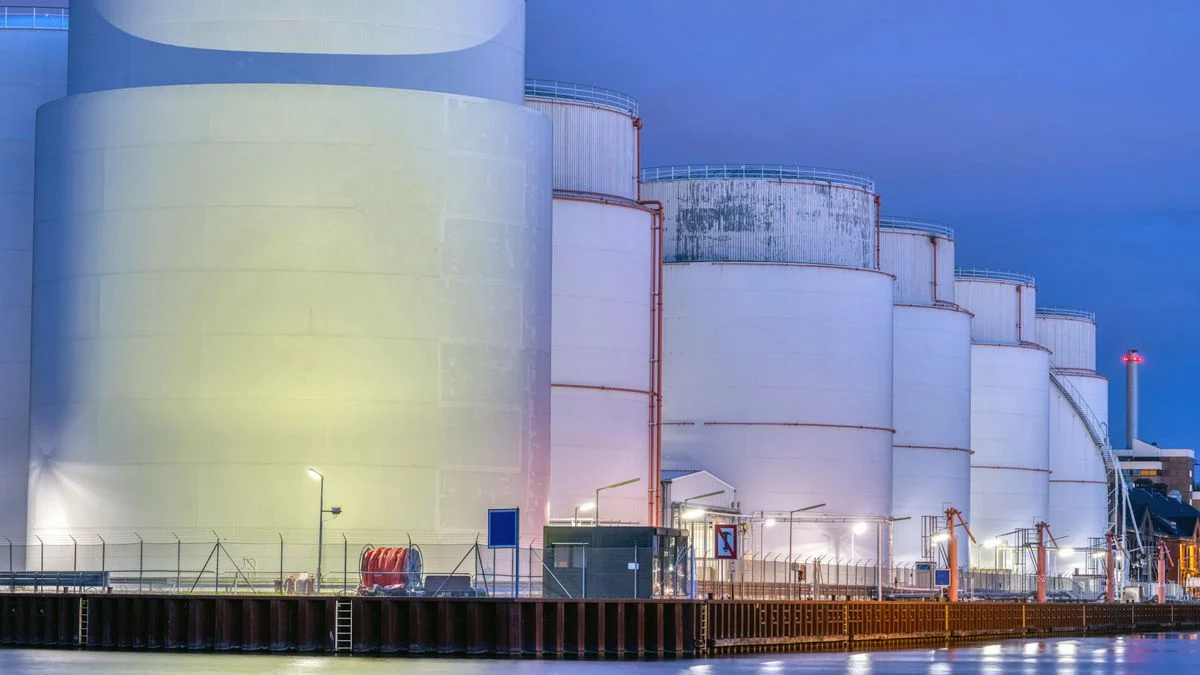
Under the new plan, the reserve will consist of 24 terawatt-hours (TWh) of natural gas. The primary objective is to provide a buffer capable of covering a 30-day supply deficit in the event of a catastrophic failure of Germany’s primary gas import infrastructure. This includes protection against high-impact, low-probability events such as acts of sabotage—a concern that has gained significant traction following the Nord Stream pipeline explosions—or systemic disruptions to critical supply chains.
The mechanism for deployment is strictly controlled: the reserve will remain off-limits under normal market conditions. It can only be tapped into if the Federal Network Agency (Bundesnetzagentur) formally triggers an energy emergency. By maintaining this “strategic insurance policy,” the government aims to prevent the need for drastic measures such as the forced curtailment of industrial production or the emergency requisitioning of private gas stockpiles during a supply crunch.
Chronology of a Policy Shift
The journey toward this legislative draft has been characterized by shifting priorities and evolving economic philosophies within the federal government.
- 2022: The Emergency Response: Following the cessation of Russian gas deliveries, Germany scrambled to fill its storage facilities to prevent a winter crisis. The government introduced strict, legally binding fill-level mandates, forcing market participants to prioritize storage levels regardless of the immediate economic cost.
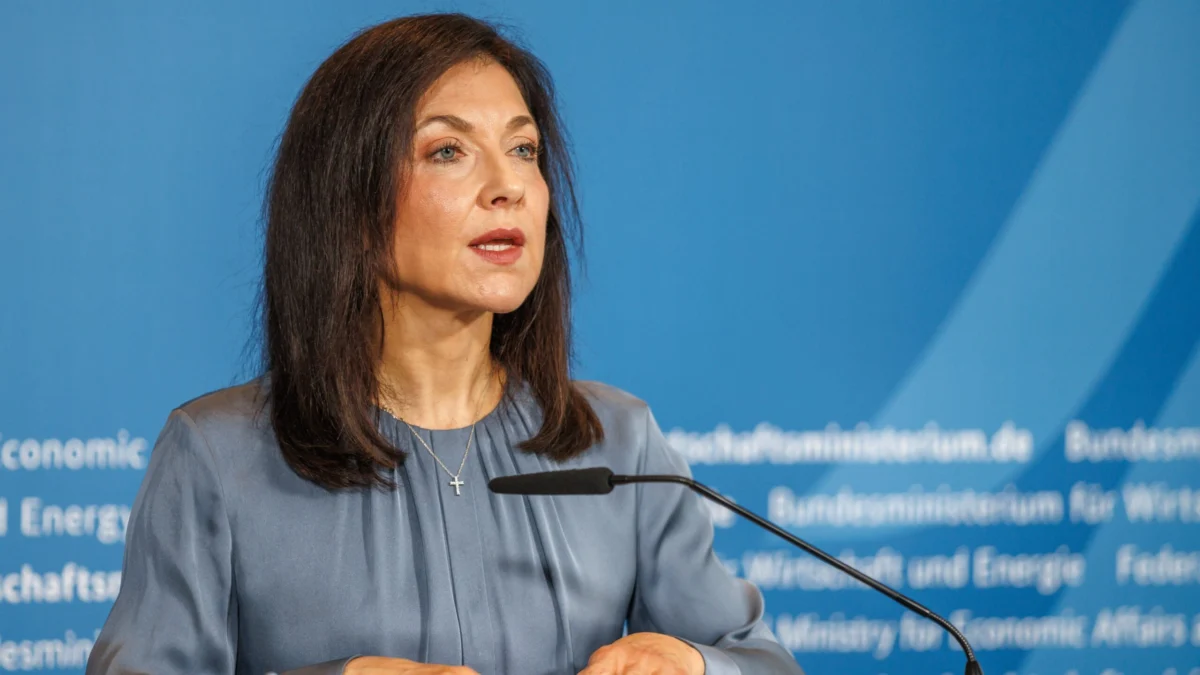
- Early 2024: The Debate on Financing: As the immediate shock of the energy crisis subsided, the debate shifted to long-term sustainability. Economic Minister Katherina Reiche (CDU) and her ministry explored various financing models. For a period, the possibility of funding the reserve directly from the federal budget was considered, as was a "hybrid model" that would split costs between the state and the private sector.
- Mid-2024: The Expert Consensus: An independent study commissioned by the Ministry evaluated the efficacy of the 2022 mandates. The findings were clear: while the mandates were necessary for emergency response, they were distorting market dynamics and hindering the efficient, market-driven procurement of gas.
- Late 2024: The Return to the Levy: The current draft bill represents a return to the Ministry’s original vision from the summer of 2024. By opting for a levy, the government has decided that the costs of systemic security should be socialized among consumers, arguing that the protection of the grid is a service provided to all participants in the German energy market.
Supporting Data: The Economic Impact on Households
The Ministry’s draft provides a detailed cost-benefit analysis, emphasizing that the financial impact on the average German household will be relatively modest, despite the shift to a levy.
The projected annual costs for maintaining the 24 TWh reserve are estimated to fall between €247 million and €308 million over the first decade of operation. For a typical residential household, this translates to an annual surcharge of approximately €3.77 to €7.20.
For larger consumers, such as a detached home with an annual consumption of 20,000 kilowatt-hours (kWh), the projected cost ranges from €5.80 to €7.20 annually. This equates to a marginal increase of 0.03 to 0.04 cents per kWh. While any increase in energy costs remains a sensitive political topic in Germany, the Ministry argues that this cost is a necessary insurance premium to avoid the catastrophic economic consequences of a total supply failure, which would be significantly more expensive for the industrial sector and the national economy.
Official Responses and Political Maneuvering
The Ministry’s decision to return to the levy model has not been without its detractors, though official comment from the Ministry itself remains muted. Observers note that the decision to pursue a levy reflects the current budgetary constraints facing the German government. With the “debt brake” limiting the room for maneuver in the federal budget, the Ministry for Economic Affairs has found it increasingly difficult to justify funding long-term infrastructure projects through taxpayer-funded expenditures.

Critics within the industrial sector have expressed concerns that adding any further levies to gas prices could harm the competitiveness of energy-intensive German manufacturers. However, supporters of the plan point out that the absence of a reserve would create a permanent "risk premium" on energy markets, which would likely result in higher market prices regardless of the levy.
The Federal Network Agency, which would be tasked with the responsibility of triggering the reserve, has maintained a neutral stance, emphasizing that their priority is the technical stability of the grid. Their focus is on ensuring that the reserve is not just a theoretical stockpile, but a deployable asset that can be accessed with minimal latency.
Implications for the German Energy Landscape
The transition to this new reserve model has profound implications for the future of Germany’s energy transition (Energiewende):
1. Market Efficiency vs. State Control
By moving away from strict fill-level mandates, the government is effectively conceding that the state is less efficient at procuring energy than the market. The new approach relies on the assumption that if the framework is set correctly, private companies will be better at managing their portfolios. The 24 TWh reserve acts as a "safety net" that allows the market to function more normally, without the constant intervention of government-mandated storage thresholds.
2. Infrastructure Resilience
The focus on a 30-day buffer is a direct response to the vulnerability of LNG terminals and pipelines. As Germany continues to diversify its import sources, the reliance on a few key points of entry (such as the new LNG terminals on the North Sea and Baltic coasts) increases the risk of a "single point of failure." The reserve is a tacit acknowledgement that Germany’s energy infrastructure is now a central theater of geopolitical competition.
3. The Future of the Gas Market
The first collection period for the new levy is scheduled to begin on October 1, 2027—the date upon which the current emergency mandates are set to expire. This timeline provides a long runway for market participants to adjust their business models and for the government to finalize the technical aspects of the reserve’s management. It also signals that the government views gas as a necessary, albeit transitional, fuel for the foreseeable future, requiring dedicated infrastructure support even as renewables continue to expand.
4. Consumer Burden
While the cost per household is low, the political optics of a new "levy" are difficult. In a climate of high inflation and energy sensitivity, any additional line item on utility bills will face scrutiny. The success of the program will depend largely on the government’s ability to communicate that this is a protective measure against price volatility, rather than a tax for the sake of revenue.
Conclusion
The German government’s decision to move forward with a levy-funded national gas reserve is a calculated move to balance market freedom with national security. By replacing the blunt instrument of emergency mandates with a targeted, market-integrated reserve, the Ministry for Economic Affairs is attempting to build a more resilient energy architecture.
As the deadline of March 31, 2027, approaches, the success of this initiative will be measured by its ability to prevent price spikes during crises while avoiding the market distortions of the past three years. For now, the proposal stands as a clear statement of intent: in an era of geopolitical uncertainty, the price of energy security must be paid upfront, and for Germany, that payment will be a small, collective contribution from every gas consumer in the country.