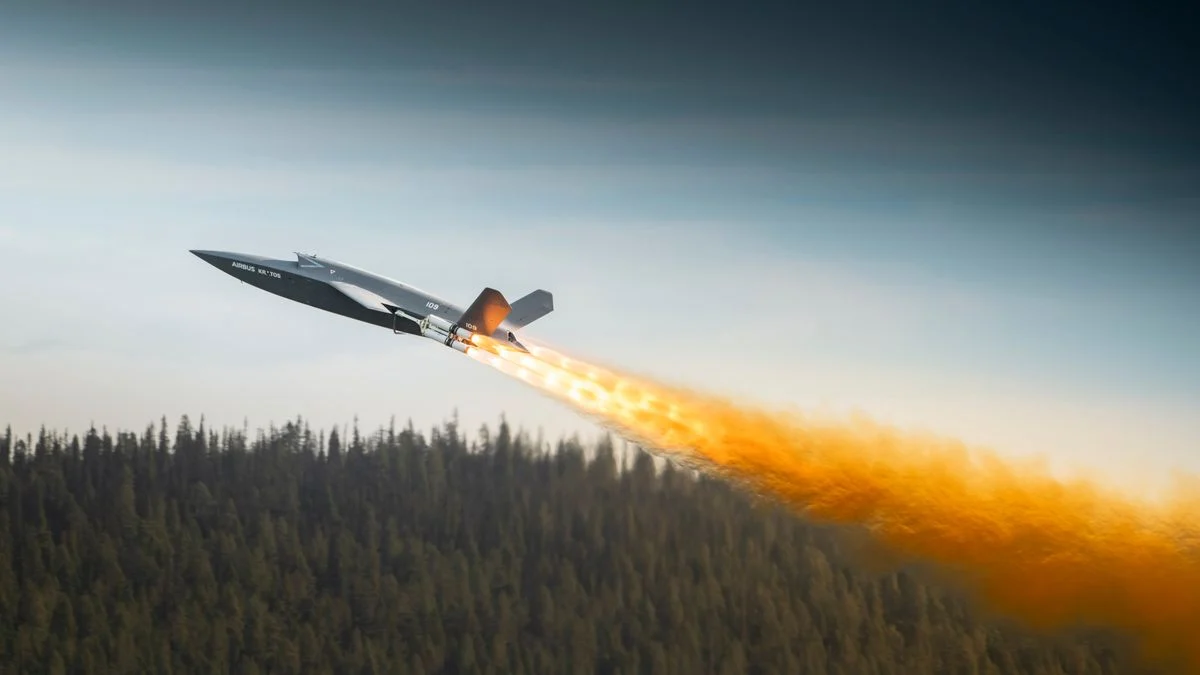
The European defense landscape is undergoing a tectonic shift. For decades, the backbone of Western air power has relied on piloted fighter jets—technological marvels that represent billions of euros in investment and the lives of highly trained pilots. However, a new paradigm is emerging, one where the skies are contested by autonomous, expendable, and lethal systems. At the heart of this transformation is the "Valkyrie," a combat-capable bomber drone that Airbus aims to supply to the German Bundeswehr, signaling a definitive move toward a future defined by manned-unmanned teaming (MUM-T).
The Core Objective: Integrating the Valkyrie into the Luftwaffe
Airbus has officially signaled its intent to provide the Bundeswehr with its advanced combat drone capabilities. The project, often discussed in the context of the Future Combat Air System (FCAS), seeks to bridge the gap between legacy platforms like the Eurofighter and the next generation of aerial warfare.
The Valkyrie is not merely a drone; it is a force multiplier. Designed to operate alongside piloted aircraft, it acts as a "loyal wingman," capable of performing high-risk reconnaissance, electronic warfare, and precision strikes in contested airspace where sending a human pilot would be considered unacceptably dangerous. By offloading these high-threat missions to autonomous platforms, the German military intends to preserve its most valuable assets—its pilots—while significantly increasing the density and lethality of its aerial sorties.
A Chronology of the European Drone Initiative
To understand the current proposal, one must look back at the developmental trajectory of European unmanned combat systems.
- 2017 – The Foundation: France and Germany announce the intent to jointly develop the Future Combat Air System (FCAS), a "system of systems" that includes a next-generation fighter and various unmanned support platforms.
- 2019 – The Prototypes: Initial test flights of various "loyal wingman" concepts begin across Europe. The industry begins to pivot from long-endurance surveillance drones to agile, combat-capable craft.
- 2021 – The Valkyrie Concept: Airbus formalizes its cooperation with strategic partners to integrate high-performance drone capabilities into the existing European air fleet. The focus shifts toward modularity—drones that can be quickly outfitted for different mission profiles.
- 2023 – Strategic Realignment: Following geopolitical shifts in Eastern Europe, the German Ministry of Defense accelerates its procurement timelines. The need for a "disposable" or "attritable" fleet becomes a priority for the Bundeswehr.
- 2024 – The Airbus Proposal: Airbus formally presents its roadmap for the integration of the Valkyrie-class drone, pitching it as a ready-to-deploy solution for the Bundeswehr’s immediate tactical requirements.
Supporting Data: Why "Attritable" Matters
The shift toward drones like the Valkyrie is driven by hard economic and tactical data. The cost of modern fifth-generation fighter jets, such as the F-35 or the proposed European New Generation Fighter (NGF), often exceeds €100 million per unit. When a platform is this expensive, commanders are inherently risk-averse.
Current military simulations indicate that in a peer-to-peer conflict, air superiority will be contested by dense anti-access/area-denial (A2/AD) bubbles. In these environments, the attrition rate of traditional jets could be catastrophic. The Valkyrie, by contrast, is designed to be "attritable." This means it is sophisticated enough to be effective, but inexpensive enough to be lost in combat without jeopardizing the entire military budget or mission success.
Furthermore, the drone’s AI-driven sensor suite allows it to process battlefield data at speeds far beyond human cognitive capacity. By acting as a forward sensor node, the Valkyrie can feed real-time targeting data to distant artillery, naval assets, or the parent Eurofighter, creating a networked battlefield that is exponentially more difficult for an adversary to counter.
Official Responses and Political Hurdles
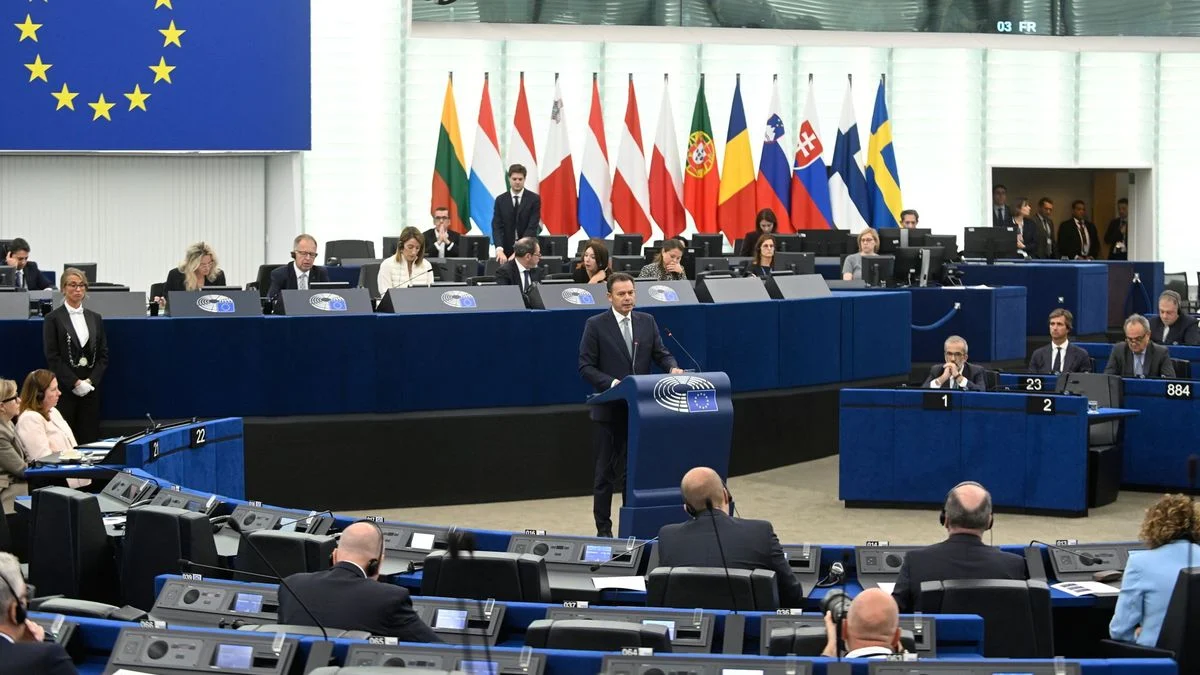
The proposal has been met with a mixture of enthusiasm and caution within the German political establishment.
The Ministry of Defense (BMVg): Official statements from the ministry emphasize the need for "sovereignty in the air." Officials have noted that while the technology is promising, the procurement process must adhere to strict budgetary guidelines and the parliamentary oversight of the Bundestag. The ministry is particularly interested in the "open architecture" of the Airbus system, which would allow the integration of various sensor packages from other European manufacturers.
Industry Perspectives: Airbus representatives argue that the Valkyrie represents a "sovereign European solution." In a market often dominated by American-made systems like the General Atomics Reaper, Airbus is positioning its drone as a way for Germany and the EU to maintain industrial independence. They contend that by developing these systems domestically, Germany ensures its supply chains remain intact during times of conflict.
Public and Parliamentary Debate: Critics of the program have raised concerns regarding the ethics of autonomous weapons systems. While the current iteration of the Valkyrie is intended to be under human supervision ("human-in-the-loop"), the rapid evolution of artificial intelligence has sparked a heated debate in the Bundestag over the long-term implications of allowing machines to make lethal decisions.
Strategic Implications: Redefining Air Power
The introduction of the Valkyrie into the Bundeswehr inventory would mark a profound shift in German defense doctrine.
1. Shift in Pilot Training and Role
The role of the fighter pilot is evolving. Future pilots will increasingly serve as "mission commanders" rather than stick-and-rudder aviators. Their job will be to orchestrate a swarm of drones while monitoring the battlefield from a secure distance, managing the drones’ autonomous behaviors rather than flying them individually.
2. Economic Efficiency
By investing in drones, the Luftwaffe can optimize its budget. Instead of building a massive fleet of incredibly expensive, manned fighters, the German military can build a smaller, elite core of manned aircraft supported by a large, scalable, and cost-effective fleet of autonomous wingmen.
3. Geopolitical Deterrence
The possession of a mature, drone-integrated air force changes the calculus for any potential adversary. The ability to project force without risking pilot lives provides the German government with a flexible tool for deterrence. It allows for the projection of power in high-risk zones where the political cost of losing a pilot would be too high to justify an intervention.
4. Technological Interoperability
The Valkyrie is being built with the intent of being compatible with NATO standards. This ensures that in a coalition environment, the German drones can operate alongside French, British, and American assets, creating a seamless mesh network of surveillance and strike capabilities across the European theater.
Conclusion: The Horizon of Autonomous Warfare
The Airbus Valkyrie project is more than just a procurement contract; it is a litmus test for Europe’s ability to modernize its military infrastructure in the face of rapid technological change. As the Bundeswehr looks toward the next two decades, the integration of autonomous systems will be the primary driver of its operational effectiveness.
The path forward is not without challenges. The technical hurdles of AI integration, the regulatory frameworks required for autonomous flight in civil airspace, and the ethical considerations of modern warfare will all play a role in how this program unfolds. However, the trajectory is clear. The skies of the future will not be dominated by the lone pilot in a cockpit, but by a networked, multi-layered system where the Valkyrie plays a central, indispensable role.
As the German military evaluates this proposal, they are not just choosing a drone; they are choosing a vision of future defense—one that is faster, more autonomous, and fundamentally more resilient against the threats of the 21st century. The Valkyrie is poised to lead that charge, ensuring that the German Luftwaffe remains a formidable force in an increasingly automated world.