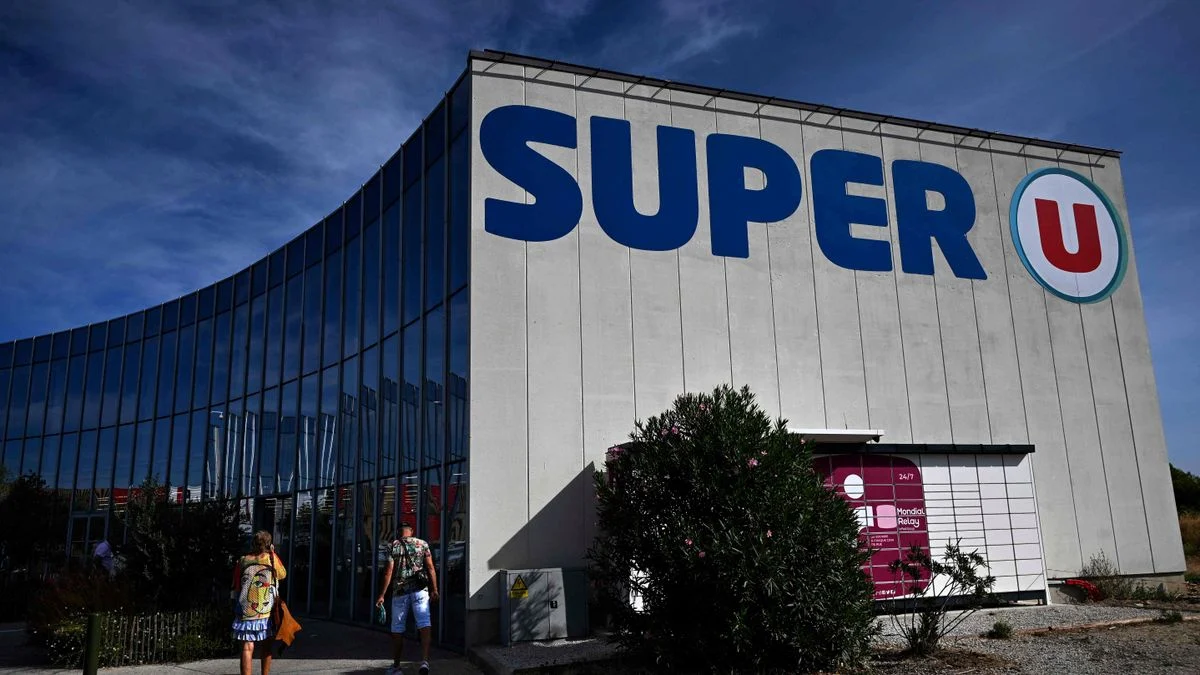
A sophisticated and malicious cyberattack has paralyzed the refrigeration infrastructure of hundreds of supermarkets across France, leading to the mass spoilage of refrigerated and frozen goods. The incident, which occurred in the early hours of Monday morning, has sent shockwaves through the French retail sector, highlighting the terrifying vulnerability of the "Internet of Things" (IoT) in industrial supply chains.
By remotely manipulating the temperature control systems of hundreds of stores, attackers successfully initiated a mass "defrost" sequence, causing temperatures to rise rapidly and rendering vast quantities of perishable inventory unfit for consumption. As investigators scramble to identify the perpetrators, the event serves as a grim warning regarding the security of critical infrastructure.
Main Facts: The Scope of the Digital Breach
The scale of the attack is unprecedented. According to reports confirmed by the French news agency AFP, nearly 300 stores across two major retail chains—Intermarché and Coopérative U—have been directly compromised. However, investigative reporting by French broadcaster BFM indicates that the damage is far more widespread, impacting additional retail giants, including E.Leclerc, Monoprix, and Carrefour.
The mechanism of the attack was as elegant as it was destructive. Hackers exploited vulnerabilities in the refrigeration control systems manufactured by the Danish firm Danfoss. By gaining unauthorized access to the network-connected controllers, the attackers remotely overrode safety protocols, forcing the units to enter a defrost cycle simultaneously across multiple geographic locations.
The consequences were immediate and catastrophic. Thousands of tons of meat, dairy, frozen meals, and produce were subjected to unmonitored temperature fluctuations throughout the night. By the time staff arrived on Monday morning, the majority of the stock had already breached safety regulations, necessitating immediate disposal. In several instances, the forced overworking of the systems during the malicious command sequence even triggered localized fires, adding structural property damage to the mounting financial losses.
Chronology: A Coordinated Night of Sabotage
The timeline of the incident suggests a high degree of premeditation.
- Pre-Event Phase: Security researchers had previously identified critical weaknesses in Danfoss’s proprietary controller software. Specifically, researchers at Claroty—a firm specializing in industrial cybersecurity—uncovered a flaw involving a "rotating" password mechanism. While designed to add a layer of security, the algorithm used to generate these daily passwords was reverse-engineered by the researchers, who demonstrated that an attacker could predict these codes and gain administrative access to the cooling units.
- The Early Hours of Monday: Between 2:00 AM and 5:00 AM, the attack was launched in waves. By targeting the centralized management systems that link regional stores, the attackers were able to push the "defrost" command to hundreds of units simultaneously.
- The Discovery: As morning shifts arrived across France, employees at affected supermarkets were met with alarms indicating temperature spikes. Despite emergency attempts to reset the systems, the damage to the cold chain had already been done.
- The Escalation: As the day progressed, the realization dawned that this was not a localized technical glitch but a nationwide coordinated offensive. The French authorities were notified, and the incident was formally classified as a large-scale cyber-terrorist event.
Technical Context: The "Freeze and Defrost" Vulnerability
The technical heart of this crisis lies in the intersection of operational technology (OT) and the internet. Many modern refrigeration systems are connected to the cloud to allow for remote monitoring, energy optimization, and predictive maintenance. While these features provide significant cost savings, they also create a "backdoor" into the physical environment.
The research conducted by Claroty’s Team82 specifically pointed to the vulnerabilities within Danfoss hardware. Their investigation, titled "Freeze the Controller, Defrost the Food," outlined exactly how the administrative access could be compromised. The system relied on an alternative password that changed daily based on the system clock. However, the logic behind the password generation was not sufficiently complex, allowing a persistent attacker to calculate the current day’s access credentials without needing to steal them.
Although Danfoss had issued firmware updates to patch these vulnerabilities, the mass nature of this attack suggests that many retailers had failed to apply these updates to their fleet of controllers. This "patch gap" remains one of the most significant challenges in cybersecurity today, as industrial assets are often left unpatched to avoid potential downtime.
Official Responses and Investigative Efforts
The French government has treated the incident with the utmost gravity. The investigation is currently being led by a specialized unit dedicated to combating cybercrime. A spokesperson for the French Prosecutor’s Office described the event as a "large-scale, malicious interference with critical food supply infrastructure," emphasizing that the attack appears to have been designed to cause maximum economic disruption.
Corporate Statements
- Intermarché: A spokesperson confirmed the breach, stating, "Our teams are working tirelessly to secure our systems and coordinate with authorities. We are still assessing the full extent of the inventory loss, but it is clear that we are dealing with a deliberate, remote, and highly professional attack on our cold chain management."
- Danfoss: In a brief statement, the company acknowledged the reports and stated they are cooperating fully with law enforcement. They reiterated that security updates were made available previously and urged all clients to ensure their software is current.
Economic and Strategic Implications
The economic fallout is expected to reach into the tens of millions of euros. Beyond the direct loss of inventory—which, under European health and safety regulations, must be incinerated or otherwise destroyed to prevent contamination—the retailers face massive logistical hurdles in restocking shelves and restoring consumer trust.
The Insurance Dilemma
Perhaps the most worrying aspect for the retailers is the insurance landscape. Most standard commercial insurance policies contain "cyber exclusion" clauses or specific definitions of "act of war" or "terrorist activity" that may not cover systemic digital sabotage. Intermarché has already signaled that the losses may fall outside the scope of their standard coverage, potentially leaving the companies to absorb the entire financial hit.
Food Security and Critical Infrastructure
This attack represents a shift in the nature of cyber warfare. Historically, cyberattacks focused on data theft, ransomware, or financial fraud. This event demonstrates the feasibility of "kinetic cyberattacks"—attacks that use digital tools to cause physical destruction. By targeting the food supply chain, the attackers have proven that they can create real-world scarcity and chaos.
The French government is now expected to launch a formal review into the cybersecurity requirements for retail infrastructure. There is growing pressure to classify large-scale supermarket refrigeration grids as "critical infrastructure," which would subject them to much stricter regulatory oversight and mandate higher security standards.
Conclusion: A Wake-Up Call for the Retail Sector
The sabotage of France’s supermarket refrigeration systems is a watershed moment for the industry. It proves that the digital transformation of retail, while beneficial for efficiency, has created a massive, exposed attack surface.
For the average consumer, this event is a reminder of the fragility of the supply chain. While shelves may be restocked within days, the psychological impact of the incident will linger. For cybersecurity experts and retailers, the mandate is clear: the era of "set it and forget it" for industrial hardware must end. Security must be integrated into the physical layer of operations, and the industry must move toward a model of "Zero Trust," where every connected device—no matter how mundane—is treated as a potential vector for catastrophic failure.
As the investigation continues, the focus remains on identifying the actors behind this breach. Whether they are state-sponsored hackers looking to sow domestic instability or cyber-criminals looking to extort payment, the event has fundamentally altered the threat landscape for retail globally. France, and the rest of the world, now looks toward a future where the next "defrost" could be just a single packet of data away.