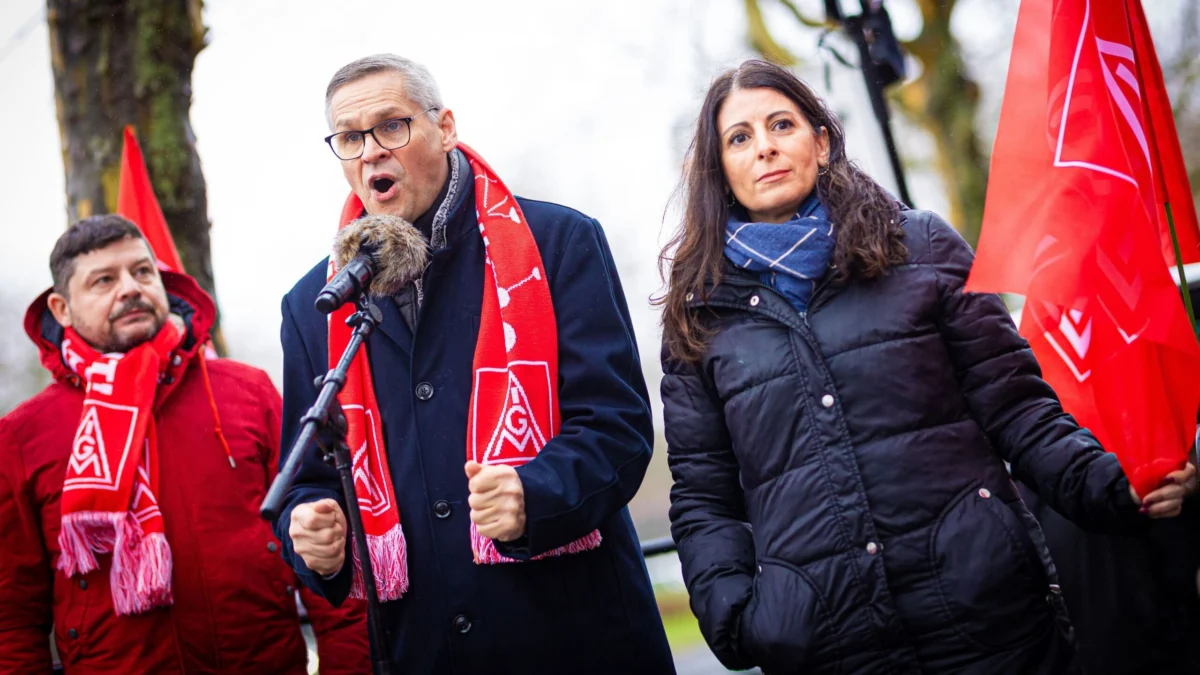
The industrial landscape of Germany’s automotive sector faces a period of unprecedented turbulence. Volkswagen AG, the cornerstone of the German manufacturing economy, has officially agreed with the powerful trade union IG Metall to commence formal collective bargaining sessions. However, the path toward a resolution is paved with significant discord, as a controversial proposal by the automaker to outsource employees into state-subsidized "transfer companies" has ignited a fresh wave of labor unrest and strategic deadlock.
Main Facts: The Standoff at the Top
The agreement to initiate formal talks, scheduled to begin on November 24 in Emden, marks a critical juncture in the ongoing battle over the future of Volkswagen’s domestic production sites. Following a series of tense "review meetings" in Hanover, the two parties have established a roadmap for negotiations, with subsequent discussions planned for Zwickau on December 15.
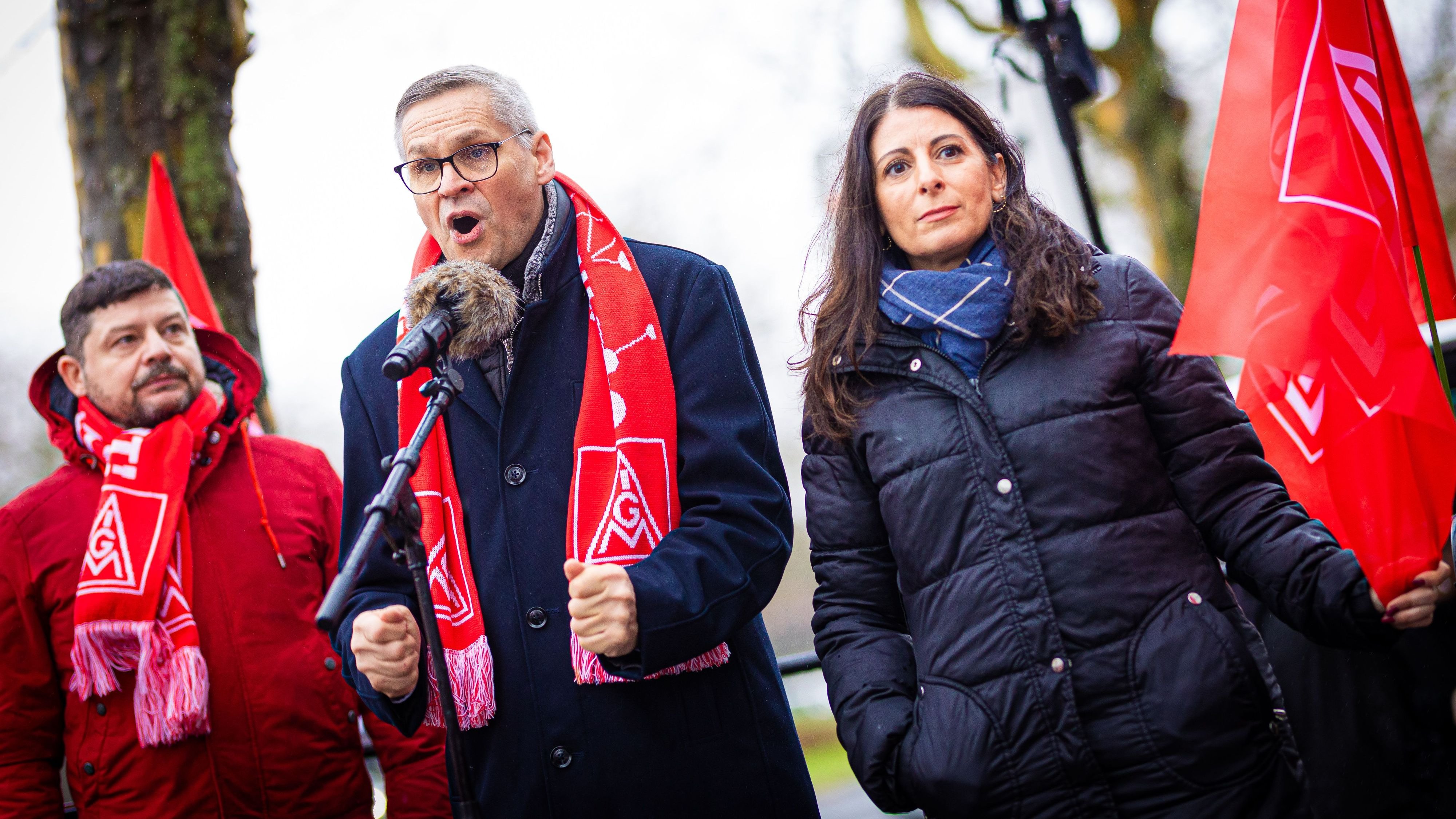
While the scheduling of these talks represents a rare moment of procedural consensus, the underlying substance of the dispute remains deep-seated. Volkswagen’s management, citing a desperate need for cost-efficiency and structural realignment in the face of cooling EV demand and intense international competition, has proposed a strategy to mitigate labor costs by offloading segments of its workforce into external, government-supported transition entities.
IG Metall has reacted with categorical rejection. The union argues that this move is a thinly veiled attempt to circumvent existing job security agreements—which were supposed to remain in force until 2030—and effectively force the German taxpayer to subsidize the company’s internal restructuring.

A Chronology of the Crisis
The current tensions are not a sudden development but the culmination of months of deteriorating relations between Wolfsburg’s executive floor and the worker representative bodies.
- Early 2024: A period of relative stability followed the signing of previous agreements, which were intended to safeguard employment through the end of the decade.
- Late Summer 2024: As sales figures for Volkswagen’s ID-series electric vehicles failed to meet internal projections, rumors of potential plant closures and mass layoffs began to circulate.
- October 2024: Volkswagen officially signaled that it could no longer rule out the closure of domestic factories, a move that would be historic for the brand.
- Mid-November 2024: The "review meetings" in Hanover served as the final precursor to formal tariff negotiations. During these sessions, the management unveiled the plan for transfer companies, prompting an immediate outcry from the union.
- Late November 2024: The formal bargaining process is set to commence, with the first session focused on the immediate grievances of workers in Emden.
Supporting Data: The Economic Pressure Cooker
The conflict is driven by a confluence of macroeconomic and industry-specific pressures. Volkswagen is currently navigating a "perfect storm":
- Declining Margins: High labor costs in Germany, combined with massive investments in software and battery technology, have compressed the company’s operating margins.
- The China Factor: Volkswagen’s once-dominant position in the Chinese market has been eroded by local domestic players, particularly in the EV segment. This loss of high-margin revenue has severely limited the group’s financial cushion.
- European Overcapacity: With the shift to electric vehicles, the traditional production methodology is undergoing a radical change. VW, which has long been characterized by a high degree of vertical integration, is finding its legacy manufacturing model to be too expensive compared to agile, new-market entrants.
- Transfer Companies: These entities, often used during major industrial restructuring, allow a company to "park" excess staff for a limited period, during which they receive retraining or support in finding new employment. For the workers, however, this is viewed as a precursor to permanent job loss and a significant reduction in long-term income security.
Official Responses and Strategic Positioning
The rhetoric surrounding the negotiation table has been exceptionally sharp.
The Management Perspective:
Volkswagen leadership maintains that the current cost structure is unsustainable. Executives argue that without radical measures, the company’s long-term viability is at stake. The use of transfer companies is framed as a "socially responsible" alternative to immediate, mass redundancies. By moving employees into these government-backed programs, the company claims it is trying to maintain a workforce that is retrainable for future roles while simultaneously reducing the immediate fixed-cost burden on the core brand.

The Labor Perspective:
Thorsten Gröger, the IG Metall district manager and a lead negotiator for the union, has been clear: the union views the current management approach as a breach of trust. By attempting to bypass the 2030 job security pact, the union contends that Volkswagen is acting in bad faith. The union’s stance is that the crisis is a result of management failures in product strategy and electrification timing, and that the workforce should not be expected to pay the price for these strategic errors.
"We are not here to facilitate a wholesale dismantling of the Volkswagen brand," a union representative noted. The union has emphasized that it will fight for concrete guarantees that go beyond temporary financial relief, demanding a long-term plan for site utilization and technological investment.

Implications for the Future of German Industry
The outcome of the upcoming negotiations will have implications far beyond the walls of the Volkswagen factories in Emden and Zwickau.
The "VW Model" at Risk
For decades, the "Volkswagen Model"—characterized by co-determination, high wages, and long-term job security—has been the gold standard of the German social market economy. The current struggle represents a stress test for this model. If VW succeeds in forcing through structural changes that erode these protections, it may set a precedent for other major industrial conglomerates in Germany to follow suit.

Political Fallout
The federal and state governments are closely watching the situation. Given the scale of the automotive industry’s contribution to the German GDP, the political cost of a protracted strike or a total breakdown in relations is immense. There is a delicate balance to be struck between supporting a flagship national company’s competitiveness and upholding the labor rights that ensure social stability.
The Technological Transition
Ultimately, the conflict highlights the agony of the automotive industry’s transition. The shift to software-defined, electric vehicles requires a different workforce profile. The current dispute is essentially a proxy war over who bears the cost of this transition: the shareholders, the employees, or the state.

As the calendar turns toward November 24, both sides are under immense pressure. Volkswagen needs a leaner cost structure to remain competitive against aggressive global rivals, while IG Metall must defend the interests of its members to remain relevant in a changing economic landscape. Whether the negotiation table will produce a path to compromise or lead to an unprecedented industrial confrontation remains the defining question for the future of German manufacturing.
The stakes are clear: the outcome will not just decide the fate of a few thousand jobs, but will likely define the direction of the German industrial heartland for the next decade. As the first talks in Emden approach, the global automotive industry waits to see if the "VW spirit" can survive the pressures of the modern era.