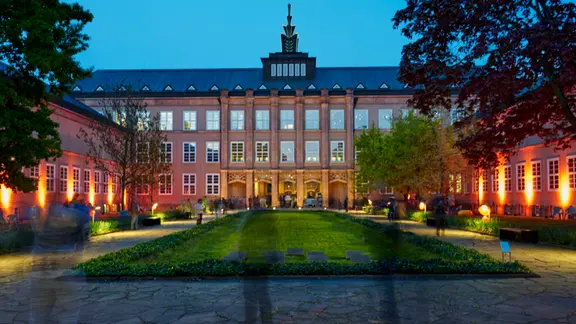
Leipzig, Germany – The historic halls of the Grassi Museum for Applied Arts have once again transformed into a vibrant epicenter of international design. With the grand opening of the 2026 Grassimesse, the museum continues its decades-long tradition of bridging the gap between historical artifacts and the cutting-edge, contemporary creations of tomorrow. As the doors opened this week, collectors, enthusiasts, and design professionals descended upon the Johannisplatz to witness an event that is widely considered one of the most prestigious accolades in the global design community.
Main Facts: A Hub for Curated Excellence
The Grassimesse is far more than a simple trade show; it is an institution. Since its revival in 1997—building upon a foundation laid as early as 1920—the event has maintained a rigorous standard of quality. Participation is not open to all; it is an exclusive invitation granted only after a thorough selection process by a revolving expert jury. This year, 140 designers and artists from around the world have been selected to present their latest works.
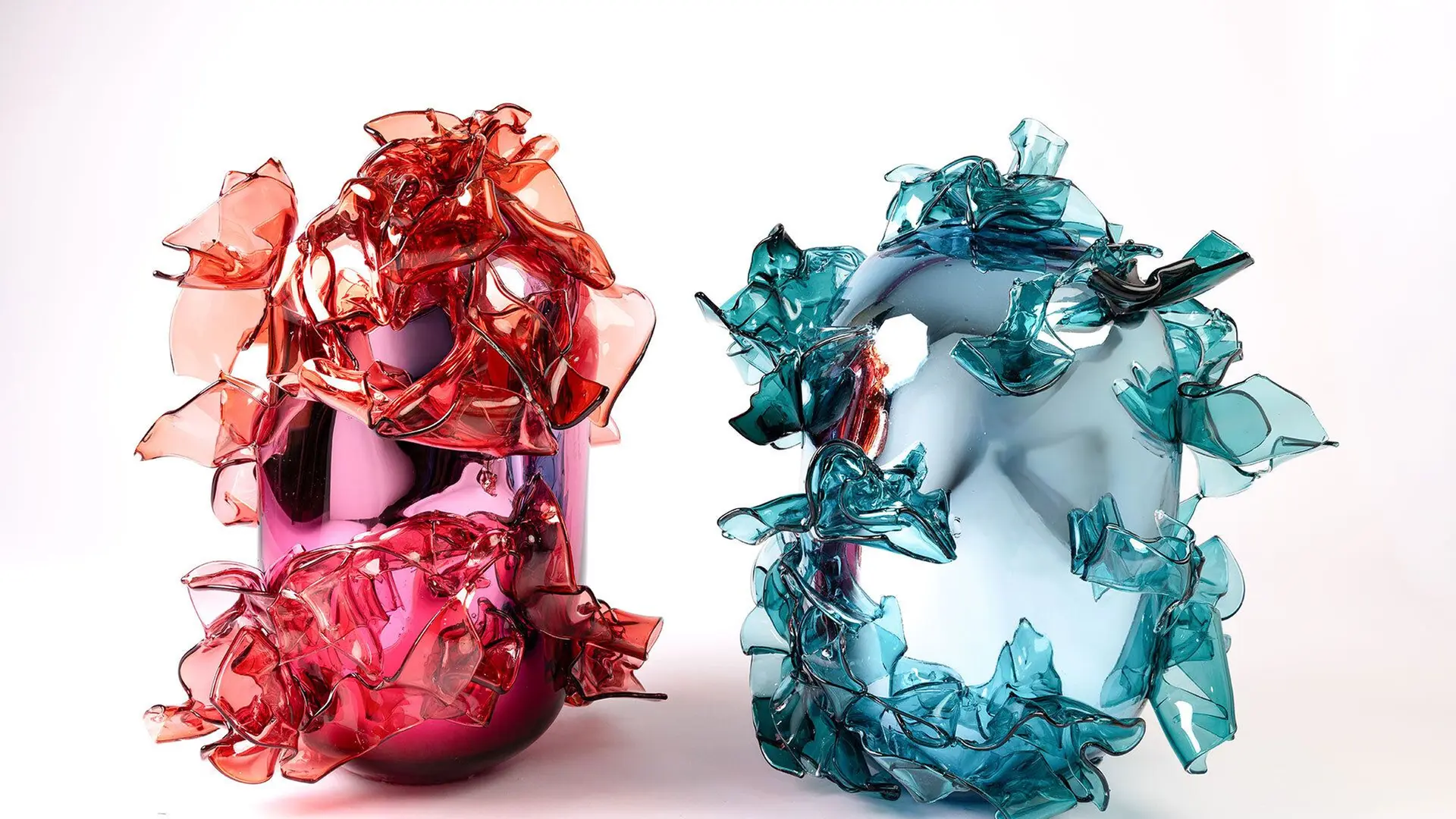
The fair is not merely an exhibition but a marketplace. It provides a unique opportunity for the public to acquire limited-edition, handcrafted, and experimental objects directly from the creators. The range of items is staggering, spanning from artisanal glasswork and avant-garde footwear to complex acoustic insulation solutions. By rejecting the homogeneity of mass-produced goods, the Grassimesse serves as a sanctuary for craftsmanship, innovation, and artistic integrity.
Chronology of the Grassimesse
The history of the Grassimesse is inextricably linked to the evolution of European design.
- 1920: The Foundation: The fair was established in the post-World War I era with a clear mandate: to provide a counter-narrative to the rising tide of industrial mass production. Its founders sought to uphold the value of the "unique piece" in an increasingly mechanized world.
- The Bauhaus Era: In the 1920s, the fair’s jury included legendary figures such as Walter Gropius, the founder of the Bauhaus school. This association cemented the event’s reputation as a vanguard of modern design.
- 1997: The Revival: Following a period of dormancy, the Grassimesse was relaunched in 1997. It successfully recaptured its pre-war prestige, quickly re-establishing itself as a premier destination for European applied arts.
- 2026: The Present Day: Today, the fair serves as a bridge between the traditional and the digital age. While it retains its focus on physical objects, the 2026 edition highlights contemporary concerns such as sustainable production methods, material innovation, and the circular economy.
Supporting Data and Attendance Metrics
The success of the Grassimesse is quantifiable. Last year, the event drew nearly 9,000 visitors, a testament to the enduring public interest in high-quality design. According to fair management, the economic impact is equally significant.
Messe manager Sabine Eppler reports that 80% of participating exhibitors express satisfaction with their sales performance, confirming that the fair remains a commercially viable platform for independent creators. The demographic of attendees is diverse, ranging from private individuals looking for a singular piece of home décor starting at 25 euros, to professional art collectors and representatives of international museums seeking to expand their permanent collections.
Official Responses and Philosophical Foundations
Olaf Thormann, Director of the Grassi Museum for Applied Arts, views the fair through a philosophical lens. When asked about the mission of the event in an era dominated by global e-commerce, Thormann is clear: "It is about making the good, the truly valuable, visible and providing orientation."
Thormann argues that the fair’s strength lies in its ability to adapt without losing its soul. By rotating the jury members, the museum ensures that the selection criteria remain fresh and unbiased, preventing any specific aesthetic or school of thought from becoming stagnant. "We do not see ourselves as being in competition with the ‘Ikea model’ of the world," Thormann notes. "Instead, we offer a place of discourse where the value of an object is explained, justified, and appreciated through direct contact between the creator and the consumer."
The Integration of Art and Space
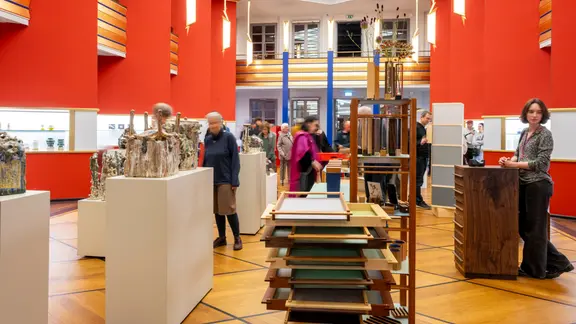
A key feature of the 2026 edition is the intentional placement of contemporary works within the permanent, historic collections of the museum. This juxtaposition serves a specific curatorial purpose: to challenge the visitor’s perception of time and utility.

For instance, the Korean artist Yoo Chung Woo has utilized the museum’s "Roman Room" as a backdrop for his ceramics, which often feature haunting, organic, and sometimes morbid forms. Similarly, Andreas Rier has placed his crystalline glass vessels—formed using wood-burning techniques—within the museum’s Gothic hall. These installations are not merely decor; they are part of a dialogue between historical craftsmanship and contemporary innovation.
The Implications: Sustainability and Future Trends
The 2026 Grassimesse carries a distinct focus on ecology and sustainability. It is no longer enough for an object to be beautiful; it must also be responsible. Many of the featured designers are presenting works made from experimental, long-lasting fibers or repurposed materials.
The Rise of the "Conscious Consumer"
The fair is a bellwether for shifting consumer behavior. As climate change becomes a central concern for the European public, the Grassimesse provides a platform for "slow design." The implication is a move away from the "buy now, pay later" culture that dominates modern retail, toward a model of investment in quality that lasts for generations.
By inviting the designers themselves to explain their processes—whether it be the chemistry behind a sustainable shoe or the physics of an acoustic wall panel—the museum creates a pedagogical environment. The visitor leaves not just with a product, but with an understanding of the labor, ethics, and material science that went into its creation.
A Cultural Beacon in Saxony
Leipzig continues to punch above its weight on the global cultural stage, and the Grassimesse is a primary driver of this reputation. As the fair runs through this coming Sunday, it serves as a reminder that even in a digital world, there is an irreplaceable value in the tactile experience.
For those planning to attend, the event offers a comprehensive experience:

- Location: Grassi Museum for Applied Arts, Johannisplatz 5-11, Leipzig.
- Schedule: Open through Sunday, October 25th.
- Accessibility: The museum maintains an inclusive pricing structure, with discounted rates for students and free entry for minors, ensuring that the next generation of designers and collectors is exposed to the world of applied arts.
As the 2026 edition unfolds, the message from the Grassi Museum is clear: the future of design is not just in the screen or the software, but in the hands of the maker. Whether it is a bowl, a sculpture, or a piece of wearable technology, the Grassimesse remains the definitive arena for those who believe that the objects we surround ourselves with should be as thoughtful as they are beautiful.
Through its continued commitment to excellence, the Grassimesse does more than sell goods; it curates a culture of appreciation, ensuring that the legacy of the applied arts thrives in an ever-changing world.