For the modern traveler, the concept of a "perfect vacation" has undergone a radical shift. The era of high-rise, all-inclusive resorts is increasingly being challenged by a return to nature—albeit a sophisticated, comfortable, and highly curated version of it. Among the myriad destinations in Europe, one region stands out as the undisputed paradise for camping enthusiasts: Catalonia, Spain. With its jagged coastline, hidden coves, and mountain-shadowed plains, the region has transformed from a simple budget destination into a sanctuary for luxury "glamping" and authentic outdoor immersion.
Main Facts: The Appeal of the Catalan Coast
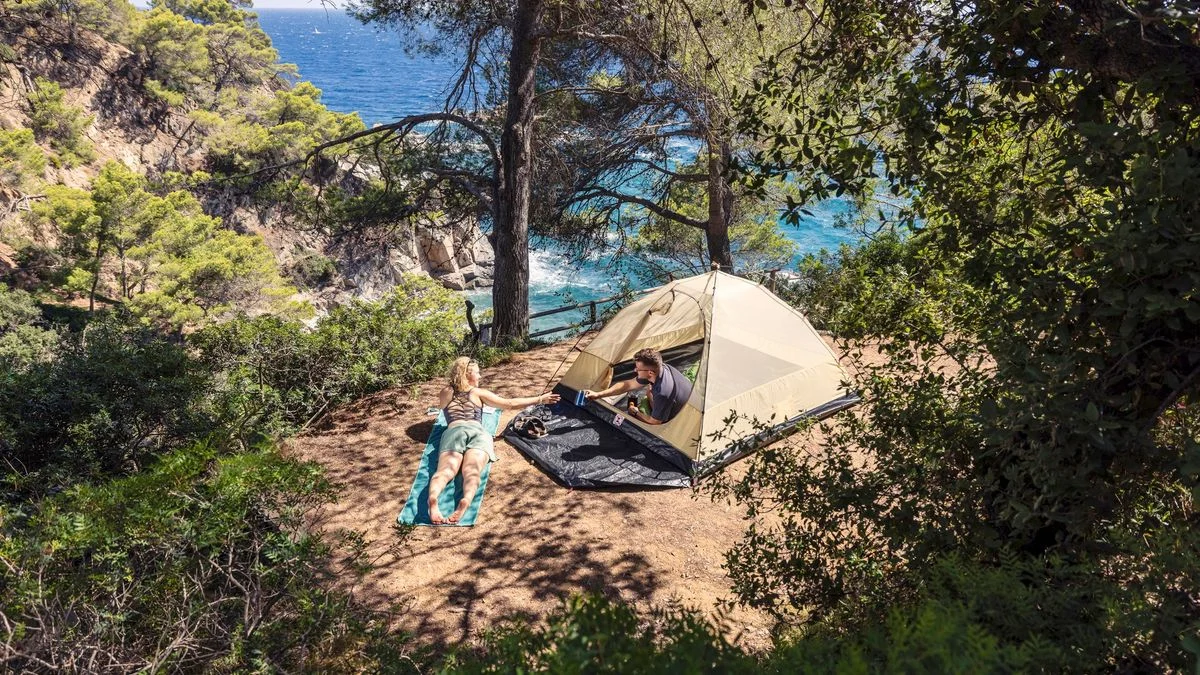
The allure of camping in Catalonia lies in its unique geographic diversity. Stretching from the rugged Costa Brava in the north to the sun-baked plains of the Costa Daurada, the region offers a topography that caters to every type of outdoor lifestyle.
Unlike the sprawling, concrete-heavy tourism of the southern Mediterranean, Catalan campsites—often referred to as càmpings—have evolved into self-contained ecosystems. Many of the top-rated sites now feature world-class amenities: infinity pools overlooking the Balearic Sea, Michelin-caliber farm-to-table restaurants, and eco-friendly bungalows that rival the aesthetic of boutique hotels.
The core fact remains: Catalonia hosts some of the highest-rated campsites in Europe. According to recent industry benchmarks, the region consistently ranks in the top tier for "quality of facilities" and "environmental sustainability." This is not merely a place to pitch a tent; it is a destination where the infrastructure supports a seamless blend of wild exploration and domestic comfort.
Chronology: From Humble Tents to High-End Paradises
The evolution of the Catalan camping experience did not happen overnight. It is a trajectory spanning several decades.
- The 1970s and 80s (The Era of Freedom): Camping in Spain was defined by a bohemian spirit. Families arrived with basic equipment, seeking little more than a flat plot of land, a tap, and proximity to the Mediterranean. It was a utilitarian experience, focusing on sun and sand.
- The 1990s (Professionalization): As tourism demands grew, regional authorities in Catalonia began implementing stricter quality standards. Infrastructure improved, with sanitation blocks becoming cleaner and communal areas more defined.
- The 2000s (The Rise of the Bungalow): The introduction of fixed mobile homes and permanent wooden bungalows changed the game. It opened the market to travelers who desired the communal atmosphere of a campsite without the rigors of traditional tent camping.
- 2010s to Present (The Glamping Revolution): Today, we are in the era of "Glamping." High-speed Wi-Fi, private hot tubs, sustainable water systems, and organized yoga retreats have turned these sites into luxury destinations. The integration of technology, such as the digital booking and management systems seen in modern industry standards, has made the barrier to entry lower than ever for international tourists.
Supporting Data: Why Catalonia Leads the Market
Data from regional tourism boards highlights a significant shift in traveler demographics. Over the past five years, there has been a 15% year-over-year increase in Northern European travelers opting for "premium camping" over hotel stays.
Key metrics for the region include:
- Average Occupancy Rates: During peak season (July–August), top-tier Catalan campsites consistently report 95% occupancy, with booking windows opening as early as January.
- Economic Impact: Camping tourism contributes over €1.2 billion annually to the Catalan economy, proving that this is a vital pillar of the regional GDP.
- Environmental Benchmarks: Catalonia leads Spain in the number of "Green Key" certified campsites, indicating a shift toward renewable energy and water conservation in an era of climate awareness.
Official Responses and Sustainability Efforts
The Catalan government, through the Agència Catalana de Turisme, has been proactive in branding the region as a sustainable outdoor hub. Official statements emphasize a move away from "mass tourism" toward "value-driven experiences."
"The camping sector is the backbone of our sustainable tourism strategy," says a spokesperson for the regional tourism office. "By encouraging visitors to spend more time in rural and coastal environments, we distribute wealth beyond the metropolitan centers of Barcelona and Girona, while simultaneously incentivizing businesses to preserve the natural landscapes that make our region unique."
However, this growth has not been without scrutiny. Environmental groups have raised concerns regarding water usage during the ongoing drought conditions in Catalonia. In response, many premium sites have invested in desalination and greywater recycling systems, setting a standard for the rest of the Mediterranean to follow.
Implications: The Future of European Travel
What does this mean for the traveler? It suggests that the camping sector is no longer an "alternative" choice; it is a premium one.
The Shift in Traveler Expectations
Modern travelers are increasingly prioritizing "experience over assets." A week in a high-end bungalow near the Cap de Creus offers a connection to the landscape that a city hotel simply cannot replicate. The implication is clear: the market is moving toward high-density, low-impact luxury.
Economic and Environmental Interplay
The future of Catalan camping rests on a delicate balance. To maintain its status as a "paradise," the region must continue to innovate in sustainability. For the consumer, this means that while prices for top-tier sites are rising, they are accompanied by better services, stricter environmental protections, and a higher quality of life during the stay.
Conclusion: Is It Time to Book?
For those seeking the ultimate combination of sun, sea, and sophisticated relaxation, the Catalan coast remains unmatched. Whether you are a traditionalist with a tent or a traveler seeking the comfort of a luxury cabin, the region’s commitment to quality ensures that the experience will be nothing short of extraordinary.
As we look toward the next decade of travel, Catalonia’s ability to refine the camping experience while preserving its wild, Mediterranean heart will undoubtedly keep it at the top of every traveler’s bucket list. The infrastructure is ready, the Mediterranean is waiting, and the standard of the "Catalan Càmping" is higher than it has ever been. For those ready to disconnect from the digital grind and reconnect with the rhythm of the tides, there is no better place to start than the sun-drenched shores of Spain.
Disclaimer: As travel trends evolve, so too do the costs and requirements for securing premium spots. Whether you are researching regional gems or looking for logistical advice, staying informed through expert reporting remains the best way to plan your next escape.