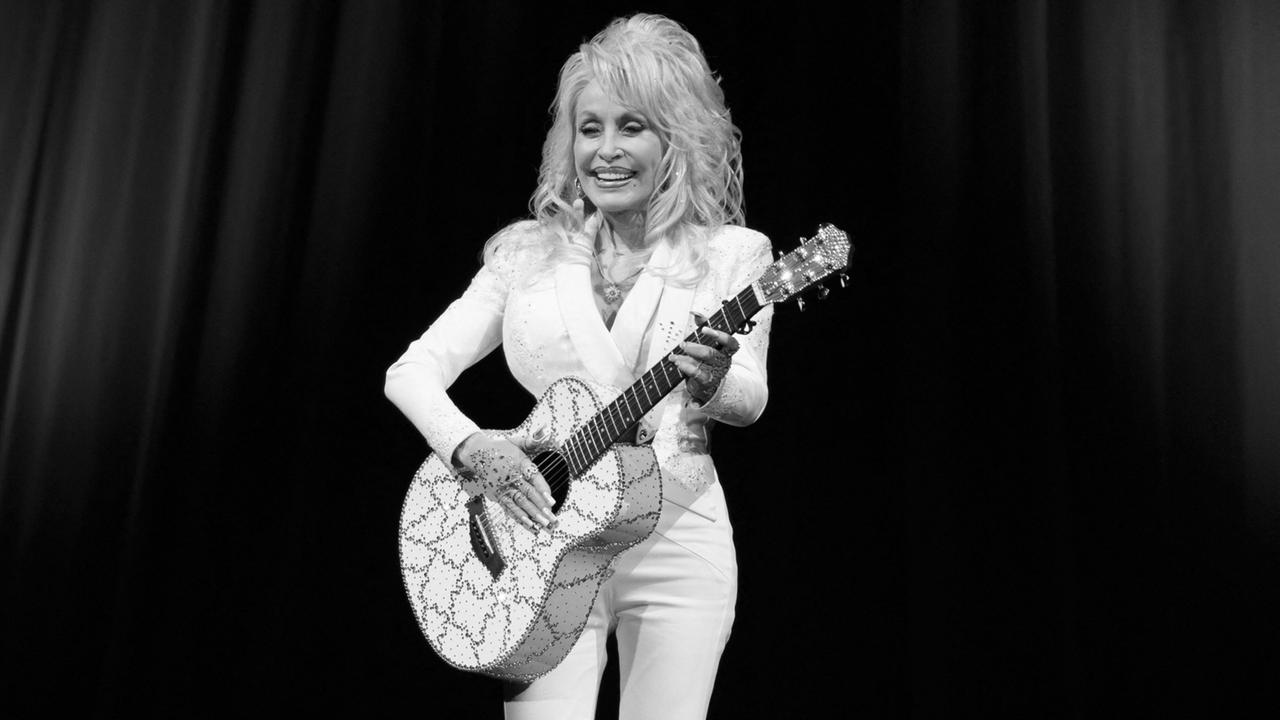
The world of music and philanthropy is in mourning today. Dolly Parton, the Tennessee-born singer, songwriter, actress, and humanitarian whose voice and spirit defined the American cultural landscape for over half a century, has passed away at the age of 80. Her death marks the end of an era for country music and the loss of a global icon who redefined what it meant to be a superstar.
The announcement was made with profound gravity by her nephew, Bryan Seaver, who shared a statement on behalf of the Parton family. "Dolly lived her life on her own terms, and she chose to leave it the same way," Seaver said. "Through her example, we were taught that everything was possible. There wasn’t a door she couldn’t open, and the doors she opened wrote history and changed it forever. She was a farmer’s daughter who planted seeds of melody and kindness that grew into a harvest of joy for the entire world."
A Legacy Written in Notes and Need
Dolly Parton’s life was a testament to the American Dream—a journey from the crushing poverty of the Great Smoky Mountains to the pinnacle of international fame. Born to a tobacco farmer and his wife in rural Tennessee, she was one of twelve children. Her upbringing was defined by limited resources but an abundance of music.
By the age of six, she was already composing her own songs. By eight, she had been gifted her first guitar. Her mother, Avie Lee, played a pivotal role in nurturing her daughter’s early creative impulses, ensuring that despite their material circumstances, the house was always filled with the music of the Appalachian hills.
From Tennessee to the Nashville Spotlight
After graduating high school, a young Dolly Parton set her sights on Nashville, the beating heart of the country music industry. Her decision to move was bolstered by an encounter with the legendary Johnny Cash, who recognized her raw potential early on.
"I have believed in my talent from the very beginning," Parton famously remarked in a retrospective interview. "I knew that in Nashville, I had something to sell. I knew my songs were good, and I knew I was a singer capable of holding my own in a world that wasn’t exactly designed for women to succeed."
Her professional breakthrough came under the wing of country star Porter Wagoner. Their collaboration was a cornerstone of 1960s country television, with their duets consistently charting in the Top Ten. However, as Parton’s ambition outgrew the confines of a sidekick role, she chose to strike out on her own. It was this bittersweet professional divorce that birthed "I Will Always Love You"—a song that would eventually transcend country music to become a global anthem of love and departure, solidified decades later by Whitney Houston’s iconic rendition.
The Private Anchor in a Public Storm
Perhaps the most enigmatic part of Parton’s life was her marriage to Carl Dean. The two met at a laundromat in Nashville when Parton was just 18 and Dean was 21. Their union, which spanned nearly 59 years, remained one of the most stable relationships in an industry known for volatility.
Dean, a contractor by trade, lived a life almost entirely separate from the glare of the spotlight. He was rarely seen at public functions, preferring the quiet life of their farm. Yet, he remained her muse, the silent anchor that allowed her to navigate the chaotic waters of fame. Following his passing in the spring of last year, friends noted that Parton became even more introspective, focusing her remaining energy on her songwriting and her charitable initiatives.
An Icon of Authenticity and Iron Will
Dolly Parton’s aesthetic—the towering, platinum blonde wigs, the glittering rhinestones, and the exaggerated hourglass silhouette—was far from accidental. It was a calculated, brilliant business strategy. In an industry dominated by men, Parton understood that to be heard, she first had to be seen.
"I decided to do something that would at least grab attention," she explained to the BBC. "I looked like a woman, but I thought like a man. I wasn’t going to be intimidated. I knew that once people got past the shock of my appearance, they would realize there was substance beneath the surface. I am very authentic where it counts—on the inside."
This self-awareness allowed her to maneuver through the sexism of the 1970s and 80s with grace and humor. She turned her "tacky" image into a brand, a costume that she wore like armor. Behind the makeup was a shrewd businesswoman who owned the rights to her songs, a rarity for artists of her time.
Beyond the Stage: The Business of Giving
Dolly Parton’s impact extended well beyond the recording studio. She was a media mogul, founding production companies, launching a radio network, and establishing "Dollywood," a massive theme park in Tennessee that serves as a cornerstone of the regional economy.
The Philanthropist’s Heart
Her commitment to social causes was both deep and quiet. Most notably, her Imagination Library program, which provides free, high-quality books to children from birth to age five, has distributed over 300 million books globally.
When asked about her political leanings, she famously demurred, preferring to let her music and her actions speak for her. "I just try to make life a little better," she often said. "My songs are about love, acceptance, and giving people the courage to keep going." This message of radical acceptance made her an enduring icon for the LGBTQ+ community, who saw in her a champion of individuality and kindness.
Her generosity even extended to the scientific community; her significant financial donation to the Vanderbilt University Medical Center was instrumental in the early research and development of a COVID-19 vaccine, proving that her reach went far beyond entertainment.
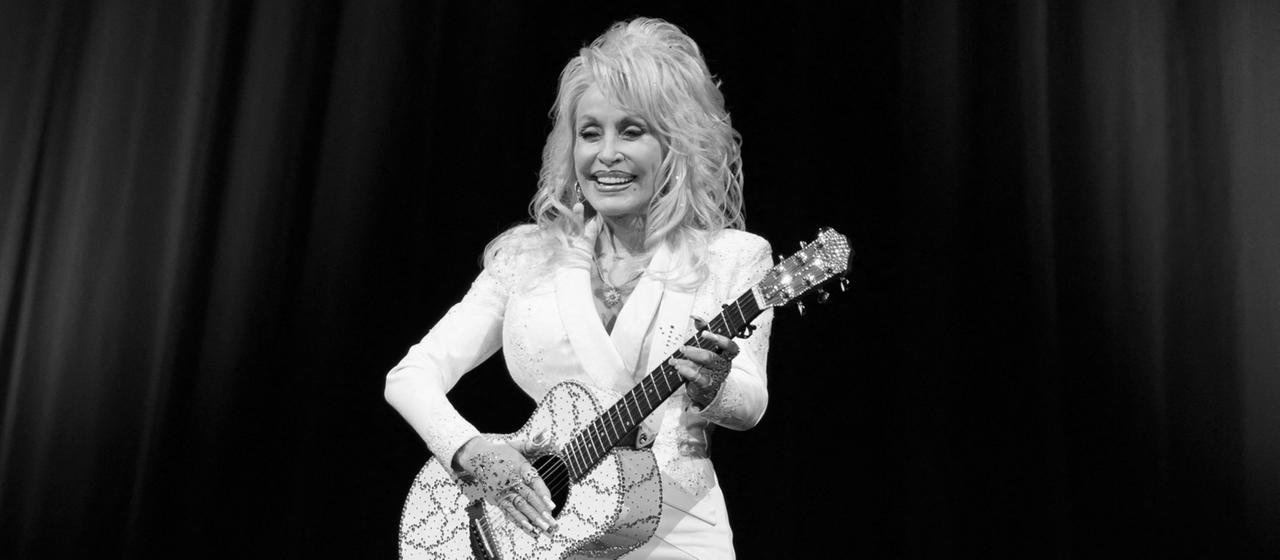
Implications of a Life Well-Lived
As the music industry and her millions of fans worldwide process the news, the magnitude of her absence becomes clear. Dolly Parton was more than a singer; she was a cultural bridge. She connected the traditional values of Appalachia with the modern, progressive needs of a changing America.
The Musical Legacy
Parton wrote an estimated 3,000 songs, with 450 of them officially recorded. Her catalogue is a masterclass in storytelling, capturing the joys, tragedies, and complexities of the human condition. From "Jolene" to "9 to 5," her lyrics possess a literary quality that ensures her work will be studied by musicologists and poets for generations to come.
A Final Message
In her final years, Parton often spoke about how she wanted to be remembered. "I hope they remember me as a good songwriter," she said. "The songs are my legacy. They are the pieces of my soul that I leave behind."
Her death leaves a void in the American cultural landscape that cannot be filled. Yet, as we look back on the career of this "Smoky Mountain Songbird," we are reminded that her true genius was in her ability to make everyone feel seen. She took the poverty of her youth and transformed it into a wealth of spirit that enriched the lives of everyone who heard her voice.
As the world says goodbye, we do not just lose a star; we lose a compass. Dolly Parton taught us that you can be "a little bit overdone" on the outside and deeply, profoundly grounded on the inside. She taught us that ambition and kindness are not mutually exclusive. And most importantly, she taught us that as long as there is a song, there is a way to bridge the divide between us.
"I will always love you," she sang to the world, and today, the world echoes that sentiment back to her. Rest in peace, Dolly. Your music, and your humanity, remain.