


By Science & Health Desk
Updated: October 7, 2026
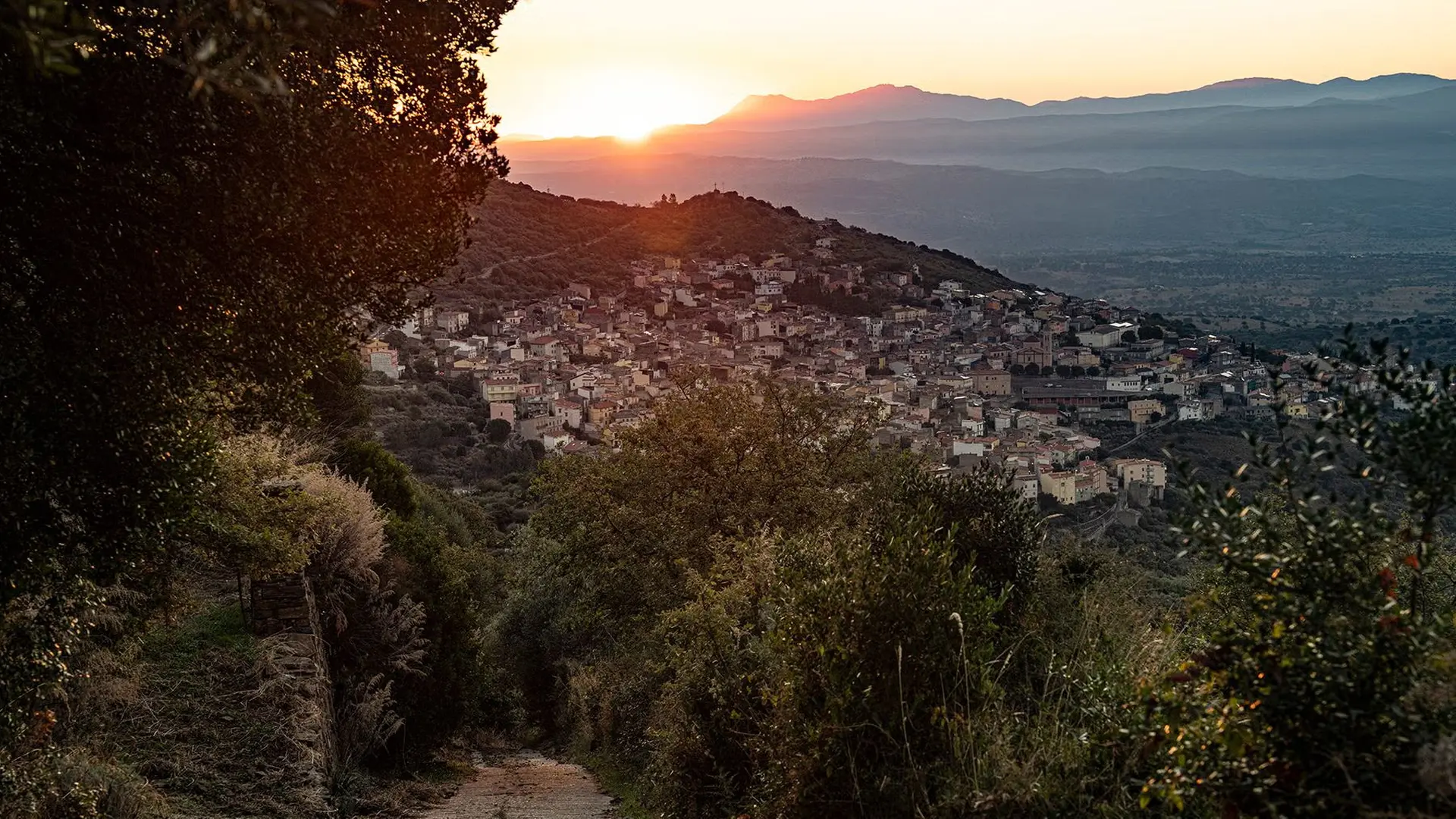
In the rugged, sun-drenched interior of Sardinia, where the landscape is defined by steep limestone cliffs and centuries-old olive groves, a quiet demographic revolution is unfolding. For years, the global scientific community has looked to the “Blue Zones”—those rare regions, including Sardinia’s own Barbagia region, where residents frequently reach the age of 100 in good health. Now, a groundbreaking study from the University of Illinois Chicago (UIC) suggests that the map of human longevity may need to be redrawn to include a new, unexpected contender: the mountain village of Bolotana.
According to research recently published in the journal Frontiers in Aging, Bolotana is not just another picturesque Italian commune. It is an epicenter of exceptional human survival. The data paints a startling picture: for women in this region, the journey to a century of life is not a statistical anomaly, but a common occurrence.
The Statistical Phenomenon: A Global Outlier
The UIC study, which tracked demographic data in the province of Nuoro between 2021 and 2025, reveals that Bolotana’s survival rates are significantly higher than both the Italian national average and those of the United States.
The metrics are clear: for 70-year-olds in Bolotana, the remaining life expectancy during the study period was 16 years for men and an astonishing 21 years for women. Even more striking is the probability of reaching the centennial milestone. Among 70-year-old women in Bolotana, 13.8 percent go on to celebrate their 100th birthday.
To put these numbers into a global context, consider the benchmarks:
- Bolotana (Women): 13.8% probability of reaching 100.
- Germany (Women): 5.1% probability.
- United States (Women): 3.6% probability.
- Italy (National Average): 3.5% probability.
These figures suggest that a woman in Bolotana is nearly four times more likely to reach the age of 100 than her counterpart in the rest of Italy, and more than double as likely as a woman in Germany or the U.S.
Chronology of Discovery: From Anecdote to Analysis
The journey to identifying Bolotana as a "Blue Zone" candidate began with local curiosity, eventually escalating into a rigorous academic pursuit.
2021–2022: Initial Observations
Researchers began noticing a high concentration of octogenarians and nonagenarians during routine health surveys in the province of Nuoro. Local administrative staff noted that death certificates for individuals under 85 were becoming increasingly rare.
2023: Verification of Historical Records
A common challenge in longevity research is the "age exaggeration" phenomenon, where individuals in remote areas claim to be older than they are due to lack of birth documentation. The research team overcame this by conducting an exhaustive audit of municipal registers and ecclesiastical baptismal records. These documents, some dating back several centuries, provided an ironclad verification trail, confirming the ages of 38 individuals who reached their 100th birthday between 1900 and 1925.
2025: Peer Review and Publication
After years of cross-referencing death records and birth certificates, the study was submitted to Frontiers. The findings were peer-reviewed and published in late 2026, officially marking Bolotana as a site of interest for global aging experts.
The Female Advantage: A Unique Blue Zone
Historically, the Sardinian "Blue Zone" status was largely attributed to the extraordinary longevity of men in the mountainous Barbagia region, often linked to the physical demands of shepherding. Bolotana, however, presents a different narrative.

"We believe this is the longest-living female population in the world, or at least very close to it," says S. Jay Olshansky, a co-author of the study and a leading authority on the biodemography of aging. Unlike other longevity hotspots where the "super-aging" effect is balanced between genders, Bolotana’s statistics show a massive tilt in favor of women. While men in the village also live longer than the national average (with a 4.9 percent chance of reaching 100), the female survival rate is the true anomaly.
This gender disparity has prompted researchers to look closer at the specific sociocultural roles women have played in Bolotana over the last century, ranging from diet and stress management to the unique social support networks that characterize this mountain community.
Factors of Survival: More Than Just Genes
While the study does not provide a singular "silver bullet" for this extreme longevity, it identifies a convergence of environmental, social, and lifestyle factors that likely create the "Bolotana Effect."
1. The Topographical Factor
Bolotana is built on steep, rugged terrain. The village layout necessitates constant, moderate physical activity. For the elderly, simply navigating the village to reach the market, the church, or a neighbor’s home acts as a form of lifelong, low-impact exercise. This consistent movement maintains cardiovascular health and muscular strength well into late life, preventing the sedentary decline often seen in flat-terrain urban environments.
2. Dietary Anchors
The local diet is heavily rooted in the traditional Mediterranean model, but with a hyper-local twist. The consumption of locally grown vegetables, legumes, and, most importantly, high-quality, cold-pressed olive oil is standard. Unlike processed Western diets, the intake of saturated fats and refined sugars remains historically low in this region.
3. Social Cohesion
Longevity is not merely a biological state; it is a social one. In Bolotana, the structure of the family remains the central pillar of society. Multi-generational households are the norm, and the elderly are rarely marginalized. Social isolation—a proven killer in modern industrial societies—is mitigated by the dense, intertwined social fabric of the village. Residents are continuously engaged in community life, which contributes to lower cortisol levels and higher levels of emotional well-being.
Official Responses and Implications
The scientific community has reacted with cautious optimism. Experts in gerontology suggest that the findings from Bolotana could be instrumental in designing public health interventions for aging populations worldwide.
"We have spent years trying to isolate genes that cause long life," says Dr. Elena Rossi, an independent researcher in Mediterranean health studies. "But the Bolotana study reinforces the idea that environment and social structure are just as, if not more, influential. It is not just about what they eat; it is about how they live their days."

Government officials in the Nuoro province have already expressed interest in preserving the village’s lifestyle. There is talk of implementing "Blue Zone" protections, which would involve documenting and protecting the traditional agricultural practices and social infrastructures that allow the village to thrive.
Looking Ahead: What Does It Mean for the Rest of Us?
The existence of Bolotana as a longevity hotspot raises a fundamental question: Can this be replicated? While we cannot change our geography, the lessons from this Sardinian village are clear.
Public health experts suggest three actionable takeaways for urban dwellers:
- Reclaiming Mobility: Re-designing neighborhoods to encourage walking and "active commuting" is essential for long-term health.
- Community Integration: Creating social spaces where the elderly are not only present but valued and active members of the community is vital to mental and physical longevity.
- Nutritional Simplicity: Moving away from processed, industrialized food systems toward locally sourced, whole-food diets remains the most consistent variable in every Blue Zone across the globe.
As the world’s population continues to age, the significance of Bolotana will only grow. It stands as a testament to the fact that, under the right conditions, human life can be extended significantly beyond our current expectations. Whether this is due to a unique genetic isolate or the perfect synthesis of Mediterranean living, the village of Bolotana has provided the world with a new, hopeful data point in the ongoing quest for a longer, healthier life.

For more information on the study, "A new blue zone? Exceptional late-life survival in Bolotana, Sardinia," please visit the Frontiers in Aging archive.













