The visible markers of climate change are no longer confined to scientific reports or distant, melting glaciers; they are currently carving a stark, arid path through the heart of Europe. In the Czech Republic, a nation historically characterized by its lush landscapes and intricate river networks, the reality of the climate crisis has arrived in the form of a severe hydrological deficit. The country’s largest reservoir, a critical pillar of its water management system, is currently missing nearly half of its intended volume. This catastrophic depletion is not merely a local concern for the Czech Republic; it is a transboundary emergency with profound implications for neighboring Saxony and the wider Central European region.
The Drying Reservoir: A Symptom of a Larger Malady
At the center of this environmental crisis is the dramatic decline of the Czech Republic’s primary water storage infrastructure. Reservoirs, which serve as the lifeblood for agriculture, industrial cooling, and drinking water supply, are failing to reach their operational levels. The current shortage of water in these massive basins is the direct result of a multi-year trend of insufficient winter precipitation and record-breaking summer heatwaves.
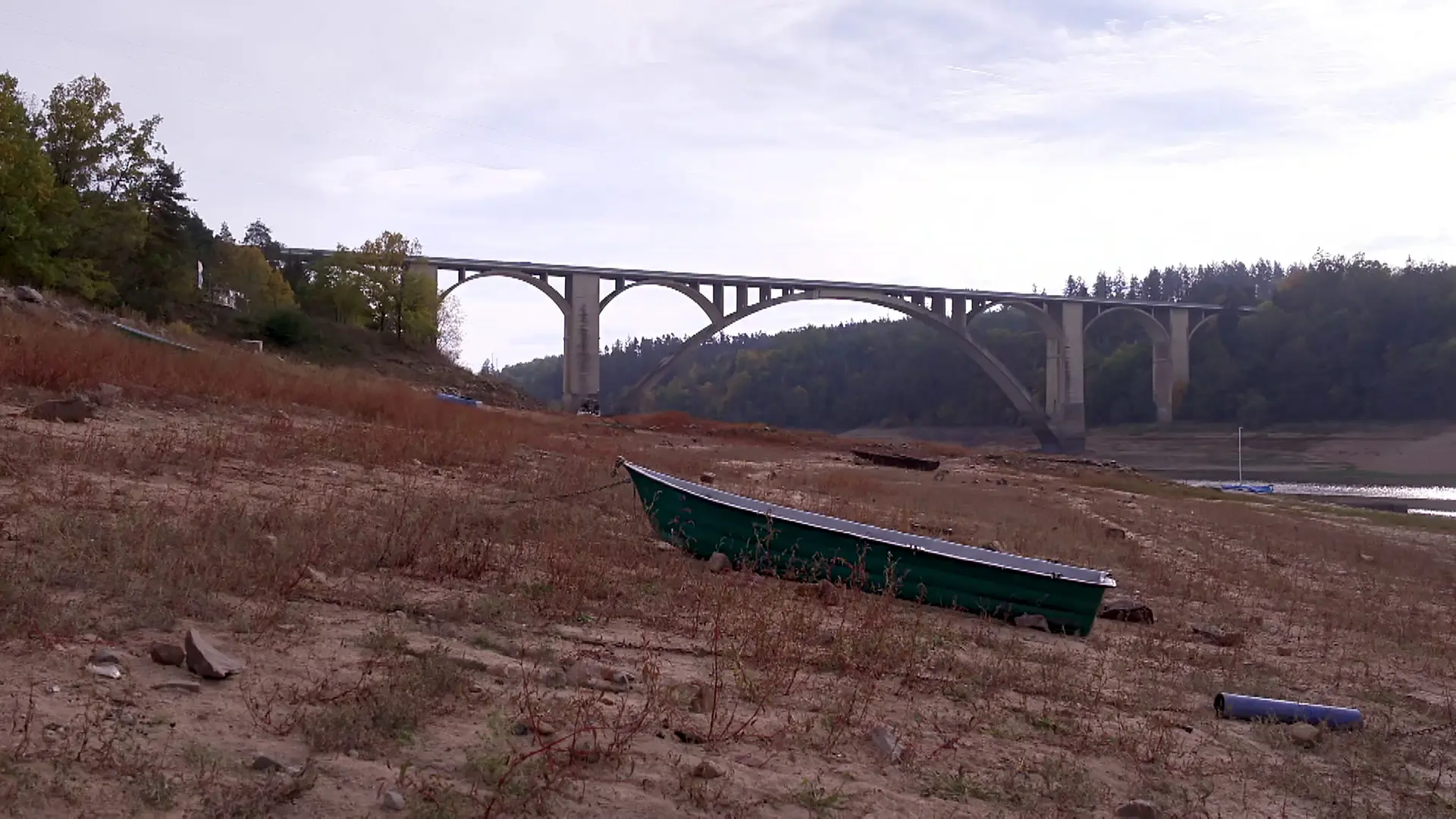
The situation is exacerbated by the phenomenon of "evaporative demand." As temperatures rise, the rate at which water evaporates from surface reservoirs increases exponentially. When this is coupled with a lack of consistent, soaking rainfall to replenish the groundwater tables, the result is a systemic failure of the hydrological cycle. Experts point out that the soil, now baked hard and dry, acts as a barrier rather than a sponge, causing the little rain that does fall to run off into rivers instantly rather than recharging the aquifers.
Chronology of the Crisis: A Slow-Motion Emergency
The current water crisis did not emerge overnight; it is the culmination of a decade of meteorological shifts that have left the region vulnerable.

- 2015–2018: The Initial Warning Signs: Central Europe experienced a series of unprecedented heatwaves and droughts. During this period, groundwater levels in the Czech Republic and Saxony dropped to levels not seen in the previous half-century.
- 2019–2021: The False Hope: A brief period of wetter weather provided temporary relief, but failed to address the deep structural deficit in the soil moisture. Many policymakers mistakenly believed the crisis had passed.
- 2022–2023: The Intensification: This period saw the "drought of the century" in several parts of Europe. River levels, including the Elbe, dropped so low that navigation was hampered, and temperatures in reservoirs reached thresholds that threatened aquatic biodiversity.
- Present Day: The lack of significant snowpack in the mountains during the last winter has led to a "dry start" to the current year. With the reservoirs at roughly 50 percent capacity, the region is facing a precarious summer, with little margin for error in water allocation.
Supporting Data: By the Numbers
The severity of the situation is reflected in the hydrological data collected by regional monitoring agencies. In the Vltava and Elbe river basins, flow rates have dropped to as low as 40 percent of the long-term historical average for this time of year.
Furthermore, the "Standardized Precipitation-Evapotranspiration Index" (SPEI), which measures the severity of drought, indicates that parts of the Czech-Saxon border region are currently in a state of "extreme drought." Agricultural yield forecasts for the region have been slashed by 15 to 20 percent, as farmers struggle to secure irrigation permits while water authorities prioritize drinking water and cooling for power plants.

Implications for Saxony: A Shared Watershed
The water crisis does not respect national borders. The Czech Republic and Saxony share an intimate hydrological connection, primarily through the Elbe River (Labe). When Czech reservoirs are forced to restrict outflow to preserve their own levels, the impact is immediately felt downstream in Germany.
For Saxony, this means:

- Shipping and Logistics: The Elbe is a vital transport artery. Low water levels bring commercial shipping to a standstill, causing significant economic losses for industries that rely on river-based freight.
- Energy Security: Several power plants in the region rely on river water for cooling. As the water warms and the volume decreases, these plants must either reduce output or implement costly, energy-intensive cooling measures.
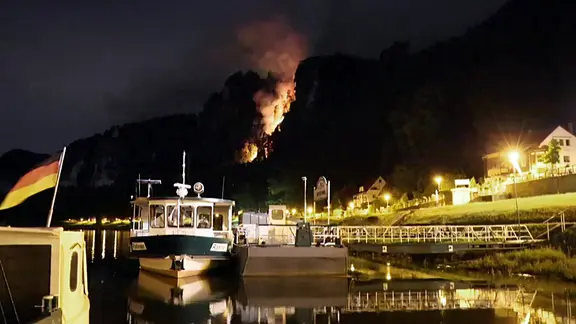
- Ecological Stress: The riparian ecosystems along the border are suffering. Low water levels increase the concentration of pollutants and raise water temperatures, leading to mass fish die-offs and the degradation of sensitive wetlands.
Official Responses and Strategic Shifts
Governments in both Prague and Dresden have begun to shift from crisis management to long-term adaptation.
The Czech government has recently proposed a multi-billion-euro investment in "small water retention" projects. These include the restoration of wetlands, the re-meandering of streams that were straightened during the 20th century, and the creation of thousands of small ponds designed to keep water on the landscape longer.
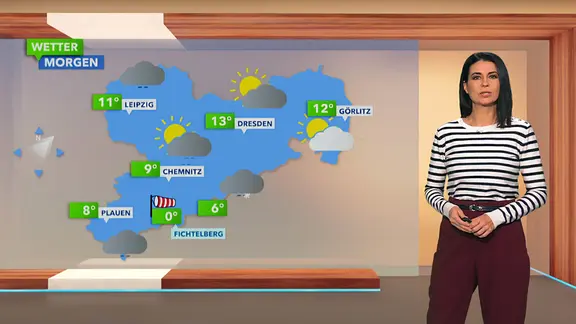
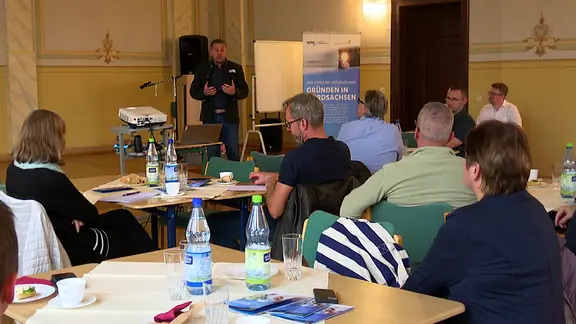
In Saxony, the Ministry for the Environment has emphasized the need for a "transboundary water dialogue." This involves sharing real-time data with Czech authorities to coordinate water releases from reservoirs during critical periods. Furthermore, Saxony has introduced stricter regulations on private water extraction, particularly for large-scale irrigation during the summer months.
However, critics argue that these measures are insufficient. Environmental NGOs, such as the German BUND (Friends of the Earth), have called for a fundamental change in land use. They argue that the current industrial agricultural model, which relies on heavy drainage of the landscape, is a primary driver of the crisis. They advocate for a shift toward regenerative agriculture that prioritizes soil health and water retention.
The Broader Context: Climate Adaptation as a Necessity
The plight of the Czech reservoirs serves as a microcosm for the challenges facing the entire European Union. The European Environment Agency (EEA) has consistently warned that Central and Southern Europe will face more frequent and intense droughts as the climate continues to warm.
The political implications are significant. Water scarcity is rapidly becoming a wedge issue in regional politics. As farmers, industrial operators, and municipalities compete for the same shrinking resource, the potential for social tension grows. Policymakers are now forced to navigate the difficult task of rationing water while trying to maintain economic stability.
Looking Forward: A Call for Integrated Management
The path forward requires a move away from the "command and control" approach to water management—which relied on dams and pipes to move water—toward an "integrated" approach that respects the natural water cycle. This includes:
- Landscape Restoration: Returning floodplains to their natural state to act as natural sponges.
- Technological Innovation: Investing in precision agriculture that uses significantly less water, and implementing closed-loop industrial water systems.
- Legislative Harmonization: Creating a unified, cross-border legal framework for water use between the Czech Republic and Germany to ensure that resource management is not just a national, but a regional endeavor.
As the current season progresses, all eyes will be on the water levels of the region’s reservoirs. While the immediate focus is on surviving the upcoming months, the larger task remains clear: the infrastructure of the past is not built for the climate of the future. The drying of the Czech reservoirs is a loud, urgent warning that the time for incremental change has passed. The region must now undergo a radical transformation in how it values, stores, and consumes its most precious resource—water.

The crisis has stripped away the illusion of abundance. What remains is a stark, exposed basin and a clear directive: if the region fails to adapt its relationship with the water cycle, it will face a future where the current scarcity becomes the new, and much harsher, normal. The collaboration between the Czech Republic and Saxony in the coming months will serve as a crucial test case for whether transboundary cooperation can overcome the challenges posed by an increasingly volatile climate.