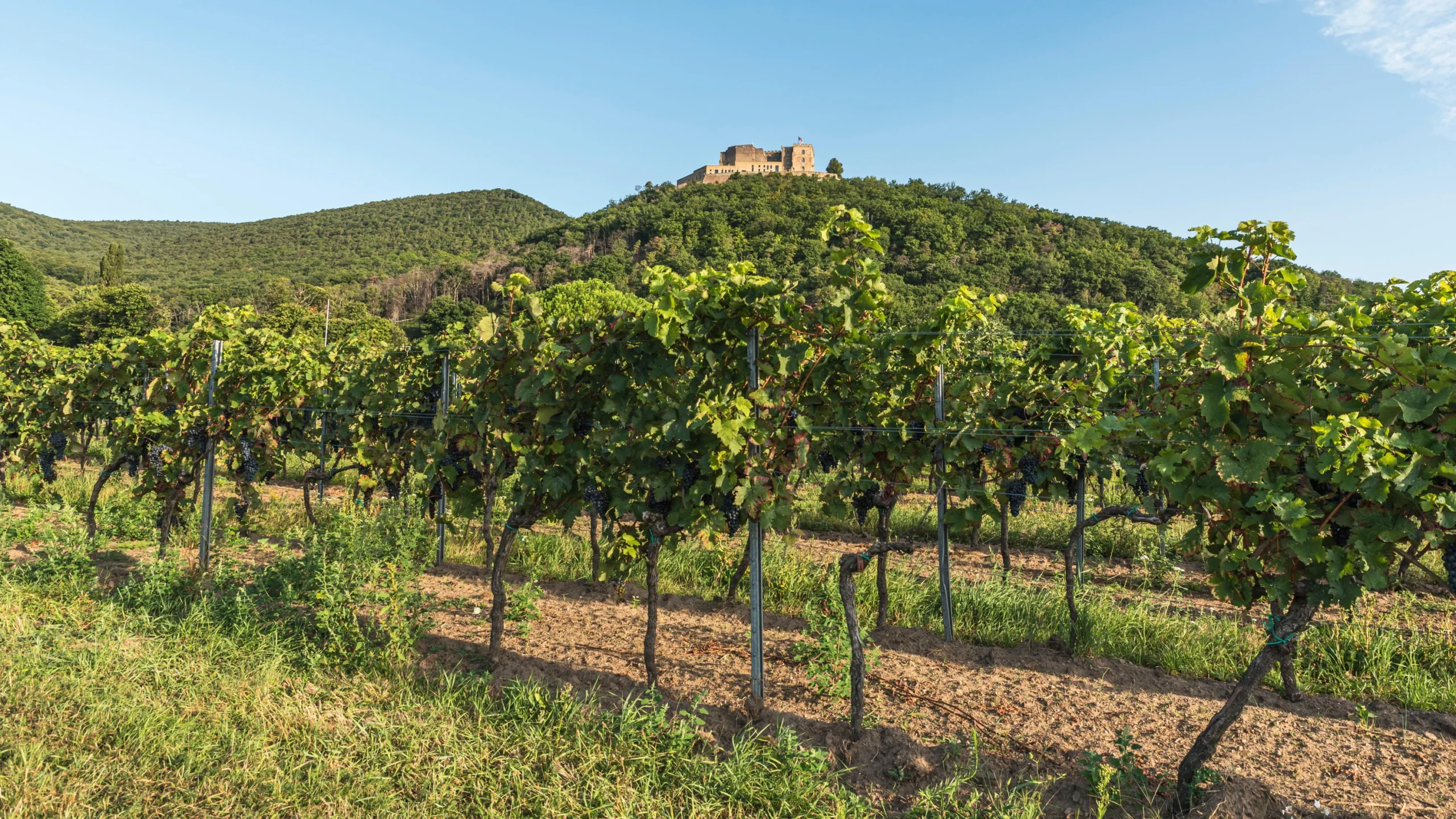
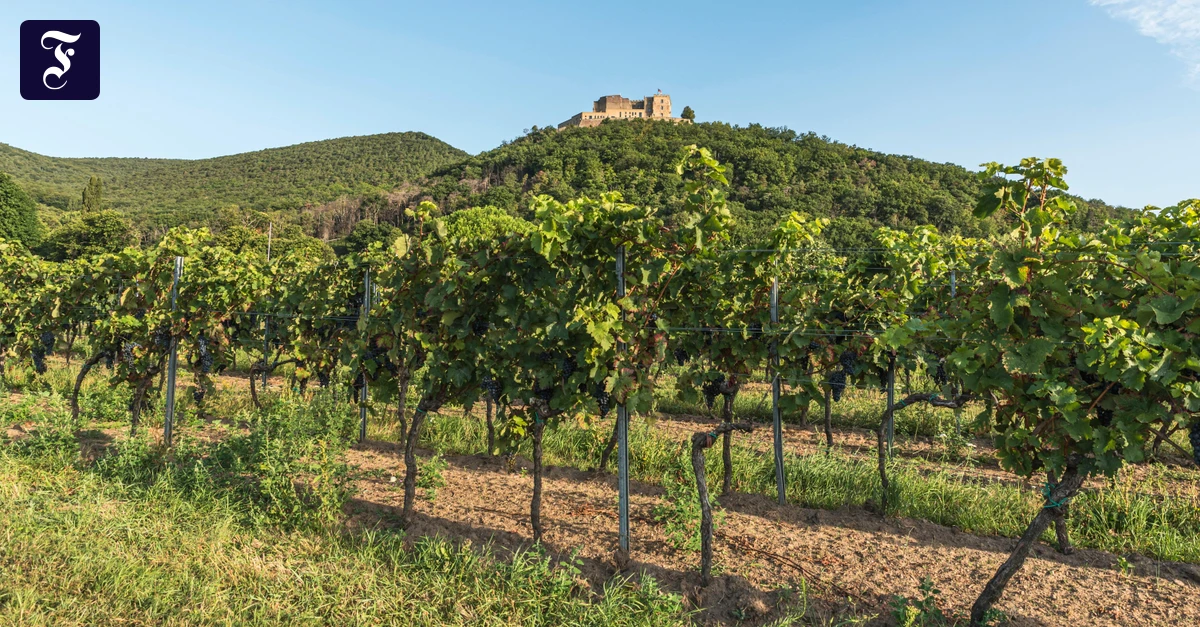
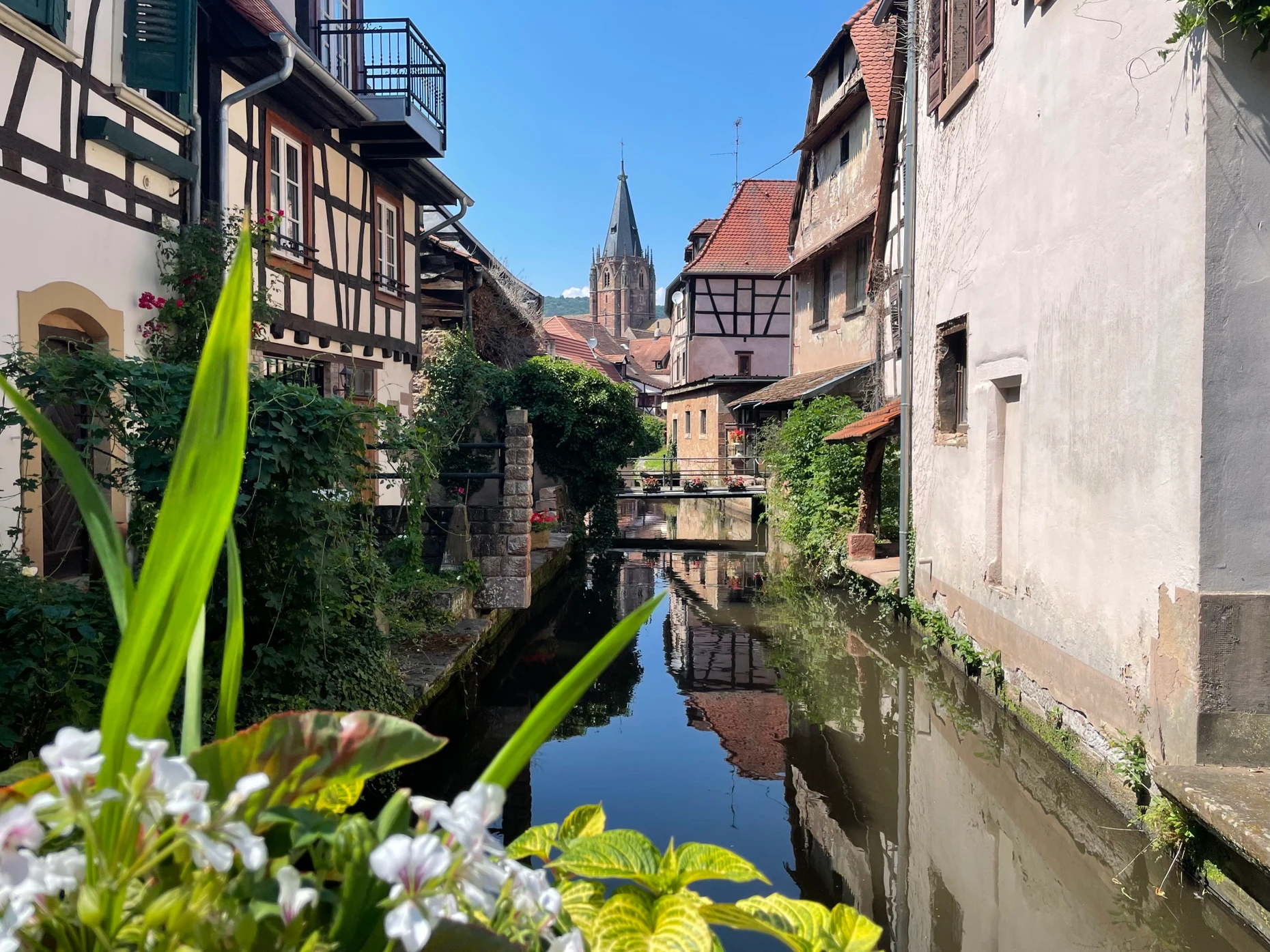
The German Wine Route (Deutsche Weinstraße) has long been synonymous with idyllic landscapes, medieval timber-framed houses, and the amber glow of a Riesling poured into a traditional Schoppen glass. Yet, beneath the veneer of its 85-kilometer stretch—from Bockenheim in the north to the French border at Schweigen-Rechtenbach—a profound transformation is underway. What was once a region defined by patriarchal pageantry and post-war clichés has evolved into a laboratory for sustainable tourism and modern ecological consciousness.
The Evolution of an Icon: From Pageantry to Professionalism
In the 1950s, the German Wine Queen was described by the press with archaic, slightly patronizing adjectives: "vigorous," "healthy," and "rosy-cheeked." The requirements of the era were clear: she was to be unmarried, capable of dancing a waltz, and always smiling. Today, that relic of the past has been replaced by a rigorous professional standard. Candidates are now tested on oenology, cellar management, and foreign languages.
Neustadt an der Weinstraße, the town that hosts the annual election of the German Wine Queen, has embraced this modernization with characteristic wit. The city has even retrofitted its pedestrian traffic signals to feature a "Wine Queen" pictogram. As the signal turns green, the figure—hand outstretched with a vine—encourages locals and tourists alike to cross the street. It is a whimsical yet poignant symbol of a town that honors its history while aggressively walking toward the future.
Chronology: A Path to Democracy
Neustadt is not merely a town of wine; it is the cradle of German democracy. On May 27, 1832, approximately 30,000 people ascended the hill to the Hambach Castle, marking a pivotal moment in the nation’s history. The march was a response to widespread suffering, exacerbated by the "Year Without a Summer" in 1816, when the eruption of the Tambora volcano in Indonesia caused global crop failures and famine. Burdened by economic crisis and oppressive taxes imposed by the Bavarian monarchy, the people of the Palatinate took to the streets.
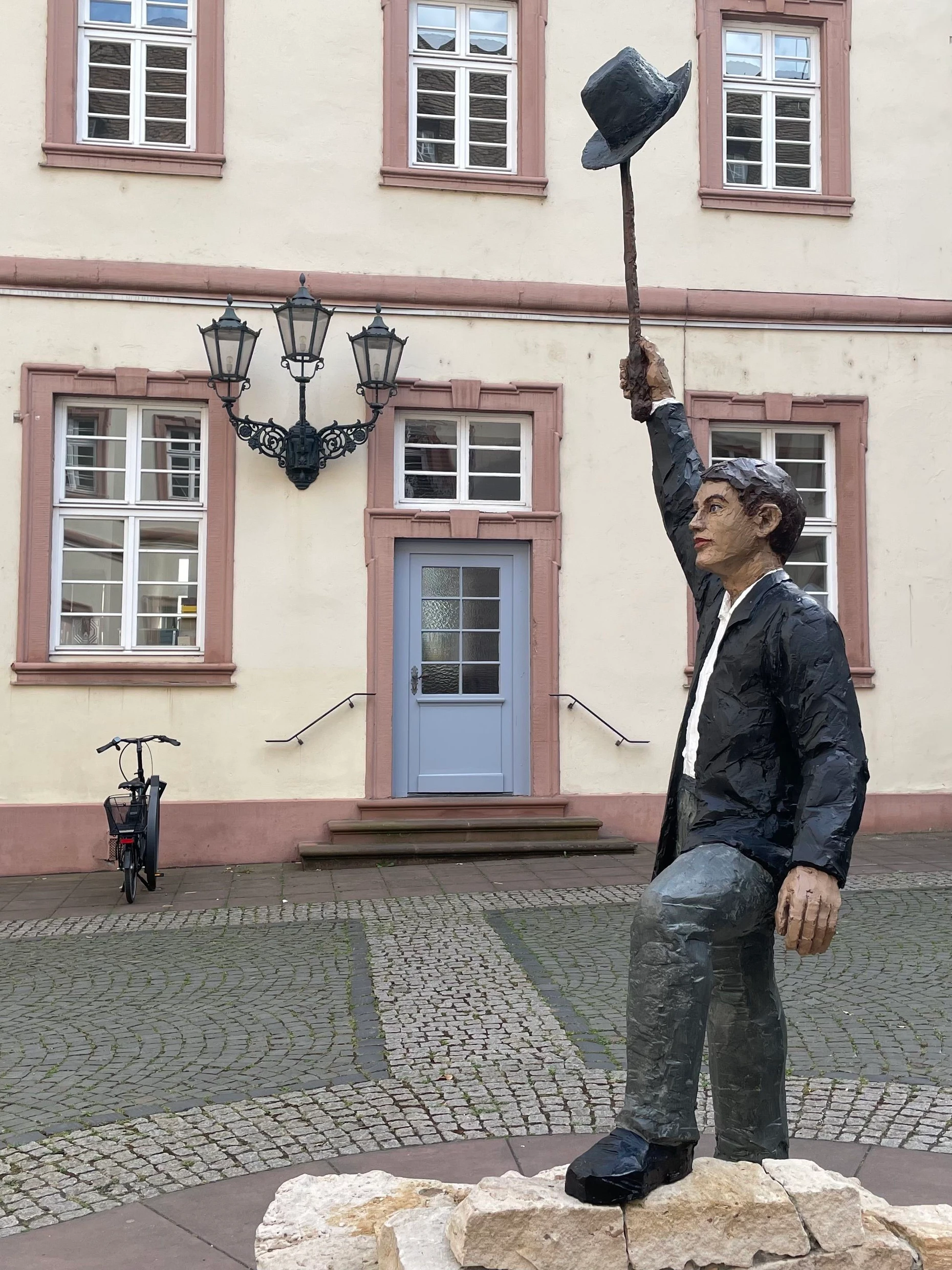
They demanded freedom of assembly, freedom of the press, and a unified Germany. Today, this historical gravity is punctuated by a modern sculpture by Stephan Balkenhol near the Rathaus. The figure—a man in a simple white shirt and black trousers holding a staff with a black-red-gold cockade—stands as a reminder that the defense of liberty rests upon the individual.
Supporting Data: The Sustainability "N"
The region is currently defined by the "Nadierlich Pfalz" (Naturally Palatinate) initiative. This project serves as a comprehensive sustainability certification, marked by a bold "N" icon. To earn this seal, businesses—ranging from wineries and farm shops to boutique hotels—must prove their commitment to resource management, energy efficiency, and waste reduction.
Nadine Schubert, the project manager for the initiative, emphasizes that the hospitality sector plays a critical role. "From the slippers in the room to the loose-leaf marmalade at breakfast, the guest experiences exactly how the accommodation treats its resources," Schubert explains. By tracking transport logistics and energy consumption, the initiative has successfully united over 60 enterprises into a network that ensures the Palatinate remains an ecological model for the rest of Europe.
Official Responses and Pioneers
The shift toward sustainability is not merely a marketing trend but a fiscal reality. Thomas Langhauser, founder of the Gutshof Ziegelhütte in Edenkoben, is perhaps the region’s most prominent advocate for this shift. His establishment is the first CO2-neutral hotel in the Palatinate.
"Sustainability is felt in the wallet," Langhauser asserts. By utilizing solar panels, heat-recovery systems, and internal energy storage, he has reduced the carbon footprint of an overnight guest from 45 kilograms to 15 kilograms of CO2. Langhauser is a pragmatist rather than an ideologue; he sources regional products and maintains a balanced view on bio-certification, noting that "the guests come for a holiday, while my son and I take care of the good conscience."
His vision extends further: he is currently exploring the installation of wind turbines on the hotel roof. In a region where tourism is the lifeblood of the economy, Langhauser’s success proves that environmental stewardship is the most effective way to ensure long-term profitability.
Modern Innovations and Architectural Splendor
The commitment to the future is mirrored in the architecture of the region. Near Annweiler, the Jugendstilhotel Trifels has become a nexus for scientific exchange, thanks to the patronage of the Hornbach family. The hotel’s grounds now feature "treehouse" suites and an elliptical, glass-fronted "space ship" designed by architect Andreas Wenning.
Angelika Hornbach, who runs the hotel with her mother, has turned the property into a hub for international research. Her approach to staffing is equally progressive; when faced with a shortage of local apprentices, she began recruiting internationally, training staff from Kenya, Morocco, and Ukraine. This multicultural approach is emblematic of the Palatinate’s newfound openness.
Culinary innovation is similarly high. Chef Daniel Lippert, at the Zum Alten Kurhaus, has elevated vegetarian cuisine to an art form. His use of local produce—such as pan-seared celeriac paired with pickled apples—demonstrates that the region’s future lies in its ability to reinvent traditional flavors through a sustainable lens.
Implications: A Model for European Tourism
The implications of the Palatinate’s transformation are significant for European tourism. By successfully integrating historical heritage with radical ecological initiatives, the region has managed to escape the stagnation that often plagues traditional tourist hubs.
- Economic Resilience: The shift toward local, sustainable production (such as Jürgen Graf’s "My Barrique" business, which recycles old wine barrels into designer eyewear) keeps the value-added chain within the region.
- Social Cohesion: Initiatives that foster international vocational training and community-based sustainability projects (like the "N" certification) have strengthened the social fabric of the villages along the Wine Route.
- Environmental Preservation: The preservation of the Palatinate Forest—a UNESCO Biosphere Reserve—acts as a natural anchor for the region’s climate-conscious tourism policies.
As travelers move from the northern reaches of Bockenheim to the southern border at Schweigen-Rechtenbach, they are no longer just visiting a wine-producing region. They are traversing a living, breathing landscape that has decided to measure its success not just by the number of bottles sold, but by the legacy left for future generations.
The German Wine Route has successfully transitioned from the rigid, patriarchal structures of the mid-20th century to a forward-looking, inclusive, and environmentally conscious destination. Whether one is admiring the "space-age" architecture near the Trifels castle or sipping a CO2-neutral Gelber Muskateller, the message is clear: the Palatinate has found its new measure of things. It is a place where history informs the future, and where sustainability is not just an obligation, but the key to a richer, more vibrant life.
Information for Travelers
- Geography: The German Wine Route stretches 85 km from Bockenheim to Schweigen-Rechtenbach.
- Activities: Parallel to the road are extensive cycling paths and the "Pfälzer Weinsteig" hiking trail.
- Sustainability: Look for the "N" sign on local businesses. Recommended stays include the Gasthof Ziegelhütte (Edenkoben), Jugendstilhotel Trifels (Annweiler), and Gästehaus Frieda (Schweigen-Rechtenbach).
- More info: www.deutscheweinstrasse-pfalz.de