Distance often provides the clarity that proximity obscures. When we visit friends or relatives we haven’t seen in years, we immediately notice the subtle shifts: a few extra pounds, the deepening lines of age, or the unmistakable glow of a job that finally fulfills them. In our daily lives, however, these changes are incremental, camouflaged by the relentless pace of habit. We live alongside these transformations, often blind to the erosion of the status quo until the change becomes impossible to ignore.
This phenomenon is increasingly mirroring our relationship with travel. Every year, between late August and early September, the question "How was your vacation?" becomes a staple of social discourse. Traditionally, the conversation revolved around the weather—the "perfect" sunshine or the occasional rainy day. But in recent years, the tone of these accounts has shifted. Many travelers return from their "best time of the year" not refreshed, but unsettled, or even alarmed, by the profound transformation of their favorite holiday destinations.
Climate change cannot be reduced to a single snapshot, yet it manifests in the cumulative weight of extreme weather events and the visible degradation of landscapes. What we are witnessing is not just a change in weather patterns, but a fundamental rewriting of the geography of our leisure.

A Global Shift in Travel Realities
The evidence of this shift is not localized to one region; it is a global pattern. From the parched forests of Scandinavia to the fire-ravaged coasts of the Mediterranean and the dry, strained ecosystems of Southern Africa, the experience of "paradise" is being challenged by the reality of a warming planet.
Sweden: Searching for Forests in Dust
In Southern Sweden, the signs of distress are visceral. For many, this region has long represented a lush, verdant escape. Yet, recent visitors describe a landscape drained of its vitality. One traveler recounted arriving to find the forest floor, once home to abundant chanterelle mushrooms, turned into a brittle, desiccated expanse. "We were picking dried-up mushrooms straight out of the dust," they noted.
The water levels in local lakes have receded, revealing shorelines previously submerged, while regional authorities have been forced to implement strict water usage bans. The threat of forest fires, once a distant concern for Nordic travelers, has become a tangible, daily anxiety. The regional government’s decision to request aerial firefighting support underscores the severity of a drought that has penetrated deep into the soil, defying the traditional perception of Sweden as a cool, moisture-rich sanctuary.

France: The Trauma of Evacuation
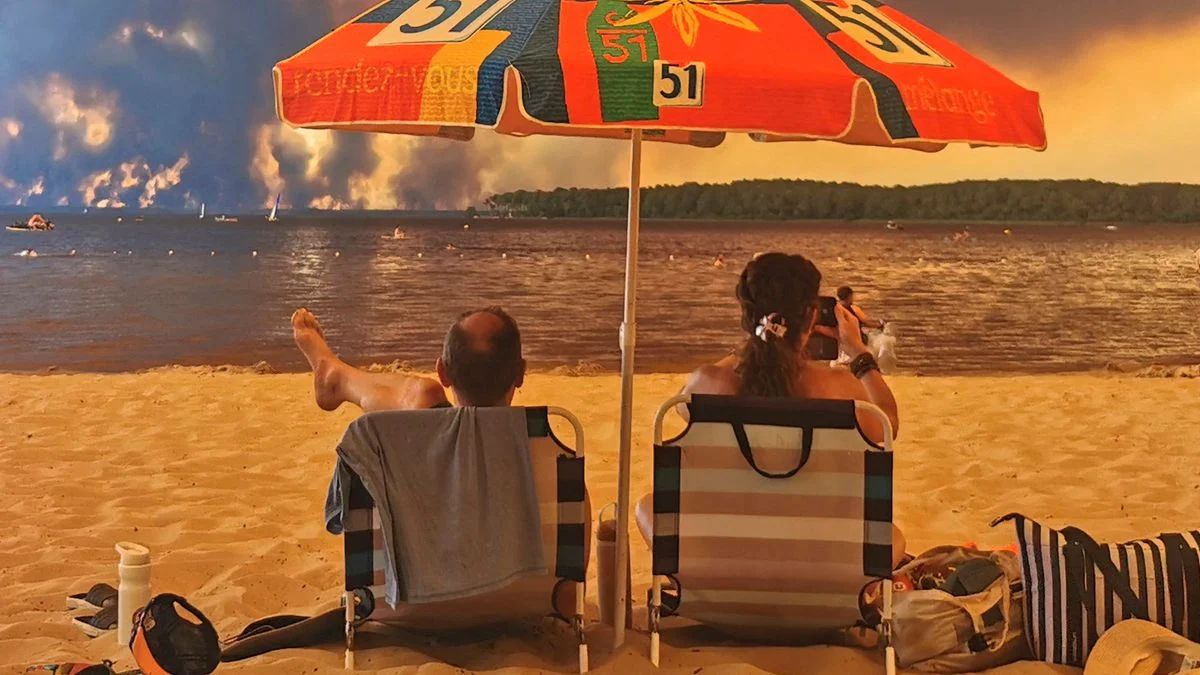
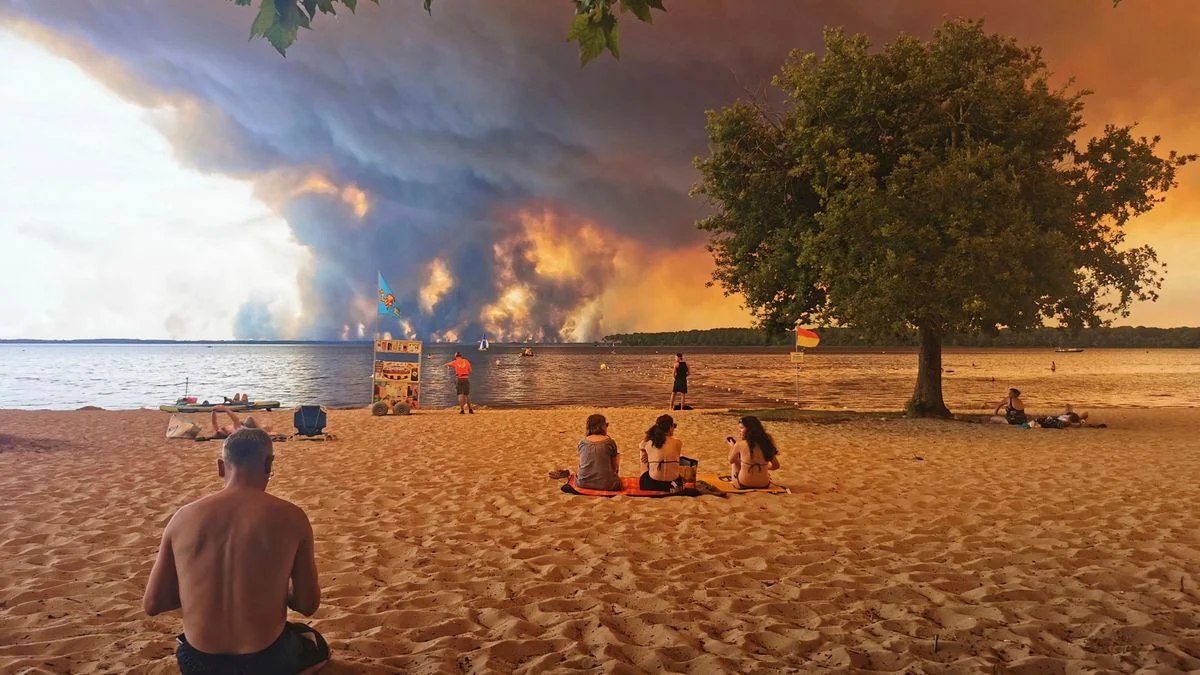
On the Atlantic coast of France, the idyllic scent of pine and the rhythm of the tides have been disrupted by the terrifying immediacy of wildfires. For those caught in the path of the blazes, the vacation narrative shifted abruptly from relaxation to survival.
The experience of being a tourist in a disaster zone is marked by a profound sense of helplessness. Travelers find themselves glued to smartphones, obsessively monitoring fire maps and wind directions. The transition from a relaxing holiday to a frantic, last-minute departure leaves a lingering psychological scar. While the tourist can "pack up and leave," the destruction of the ecosystem and the economic toll on local communities remain long after the smoke has cleared.
Italy: The "Lukewarm Broth"
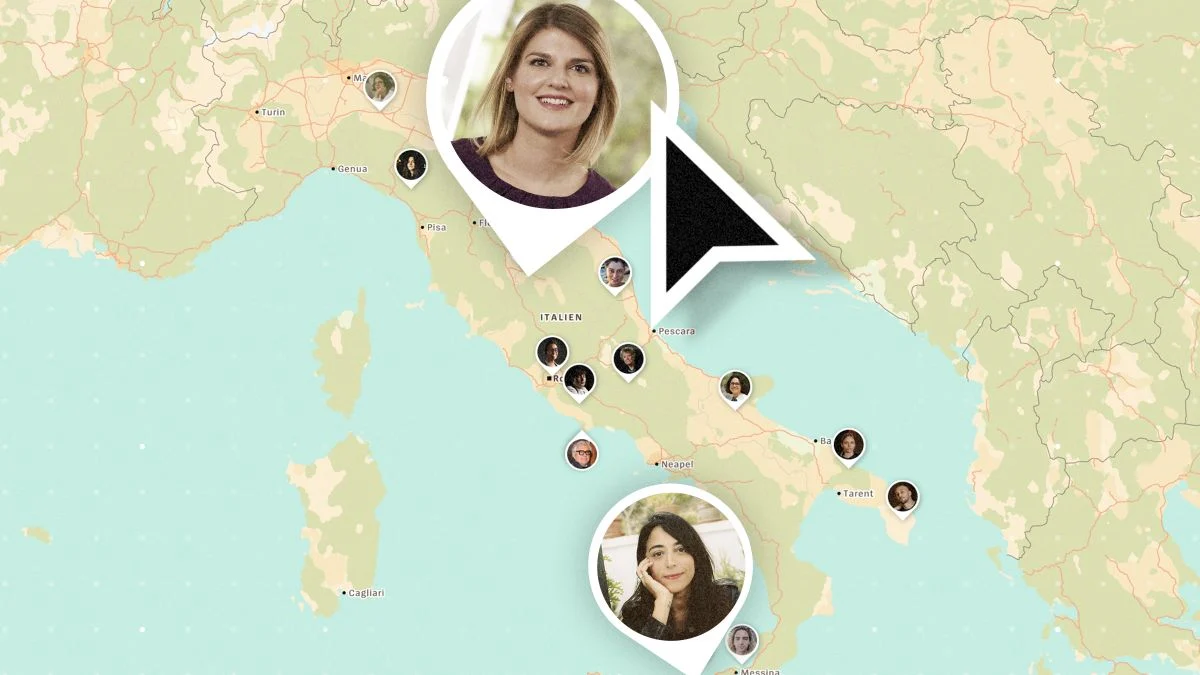
In the Salento region of Italy, the local dialect has historically provided a rich, nuanced vocabulary to describe the sea. Locals have different terms for the water depending on its clarity, its temperature, and the wind—a testament to a deep, ancestral connection to the Mediterranean.

However, a new term has gained unfortunate prominence: na sciotta. It describes a sea that has become a "lukewarm broth." The rise in water temperatures has not only made swimming unpleasant but has fundamentally altered the marine ecosystem, leading to the proliferation of toxic algae and invasive species. The once-clear, refreshing waters are becoming murky and stagnant, forcing swimmers to search for deeper, cooler pockets—a luxury that was once unnecessary.
Chronology of a Changing Summer
The summer of 2023 and the preceding seasons have acted as a turning point in public perception. The following timeline illustrates how the "vacation experience" has evolved:
- Winter/Spring: Increasing reports of drought conditions in Northern Europe, setting the stage for high fire risk.
- Early Summer: Initial reports of "unseasonable" heatwaves in Southern Europe. Travelers arrive with high expectations, only to be met with regional water rationing and burn bans.
- Mid-Summer: The escalation of wildfire activity. The transition from isolated incidents to major, multi-region evacuations, particularly in France and Greece.
- Late Summer: The aftermath. Analysis of ecological damage, the economic impact on tourism-dependent regions, and a growing public debate regarding the ethics of travel during climate crises.
Supporting Data: The Rising Tide of Extremes
The anecdotal evidence provided by travelers is corroborated by hard data. According to the Copernicus Climate Change Service, the past decade has seen a consistent increase in average summer temperatures across Europe, with 2023 and 2024 setting records for heat and duration of heatwaves.

- Wildfire Frequency: The area burned by wildfires in the European Union has increased by over 30% in the last five years compared to the previous decade.
- Hydrological Stress: Soil moisture levels in Southern and Central Europe have reached record lows during the summer months, leading to significant agricultural and ecological losses.
- Marine Heatwaves: The Mediterranean Sea has experienced "marine heatwaves," with surface temperatures frequently exceeding 30°C, causing mass mortality events for marine flora and fauna.
Official Responses and Mitigation Efforts
Governments across Europe and beyond are scrambling to adapt. In Sweden, authorities have invested heavily in regional firefighting infrastructure, moving away from relying on local volunteer fire brigades to a more centralized, professionalized response system.
In France, the government has launched the "Plan Feu," a comprehensive strategy to manage forest maintenance, improve early warning systems, and increase the availability of water resources for firefighting. Similarly, Italy has introduced stricter regulations on coastal management, including monitoring water quality and controlling visitor numbers in fragile marine environments.
However, critics argue that these measures are reactive. "We are trying to patch up a sinking ship," says Dr. Elena Rossi, a climate researcher. "The infrastructure is being built to withstand the climate of the 20th century, not the reality of the 21st."

The Ethical Dilemma: Is Travel Still "Right"?
Perhaps the most poignant shift is internal: the traveler’s own conscience. The question, "Was this trip right?" is becoming a standard post-vacation reflection.
In South Africa, for instance, travelers are increasingly confronted with the dichotomy of extreme beauty and environmental fragility. Photographs of breathtaking vistas are now frequently paired with images of burnt hillsides and warnings about water scarcity. The influence of figures like Wangari Maathai, whose Green Belt Movement emphasizes the necessity of healing the earth to heal ourselves, is resonating with a new generation of travelers who feel the burden of their own carbon footprint.
Implications: The End of the "Traditional" Vacation
The implications of this shift are profound. We are moving toward a future where "vacationing" will require a different set of expectations and responsibilities:

- Flexibility as a Necessity: Travelers must prepare for itinerary changes, cancellations, and the reality that their destination may not look as it did in the brochures.
- Environmental Stewardship: The role of the tourist is evolving from a consumer of experiences to a participant in the local ecosystem. Responsible travel now requires supporting local efforts to preserve the land.
- The End of Predictability: The "ideal" summer vacation, characterized by perfect, predictable weather, is becoming a relic of the past.
- Psychological Adaptation: We must reconcile our desire for leisure with the awareness of the climate catastrophe. This may mean staying closer to home, choosing destinations with lower environmental impact, or participating in "regenerative tourism."
As we look toward the future, the question "How was your vacation?" will likely carry more weight. It will no longer be a trivial inquiry about the sunshine, but an invitation to discuss the state of our world. The landscape of our memories is changing, and we are forced to find new ways to appreciate, protect, and respect the places we once took for granted. The era of the "carefree" holiday is ending; in its place, a more conscious, albeit more anxious, mode of travel is emerging.