
The battlefields of Ukraine have become the world’s most intense laboratory for 21st-century warfare. Beyond the twisted metal of destroyed armored vehicles and the haunting remnants of downed drones, a far more valuable asset is being harvested: data. As unmanned aerial vehicles (UAVs) saturate the skies, they are generating a massive, unprecedented stream of information that is fast becoming the most sought-after commodity in the global defense and technology sectors.
This is not merely a byproduct of combat; it is the raw material for the next generation of Artificial Intelligence. While the physical conflict remains a brutal, grinding struggle for territory and survival, a parallel digital war is being fought—one that promises to define the future of both military strategy and civilian technological infrastructure.
The Digital Echo of Kinetic Warfare
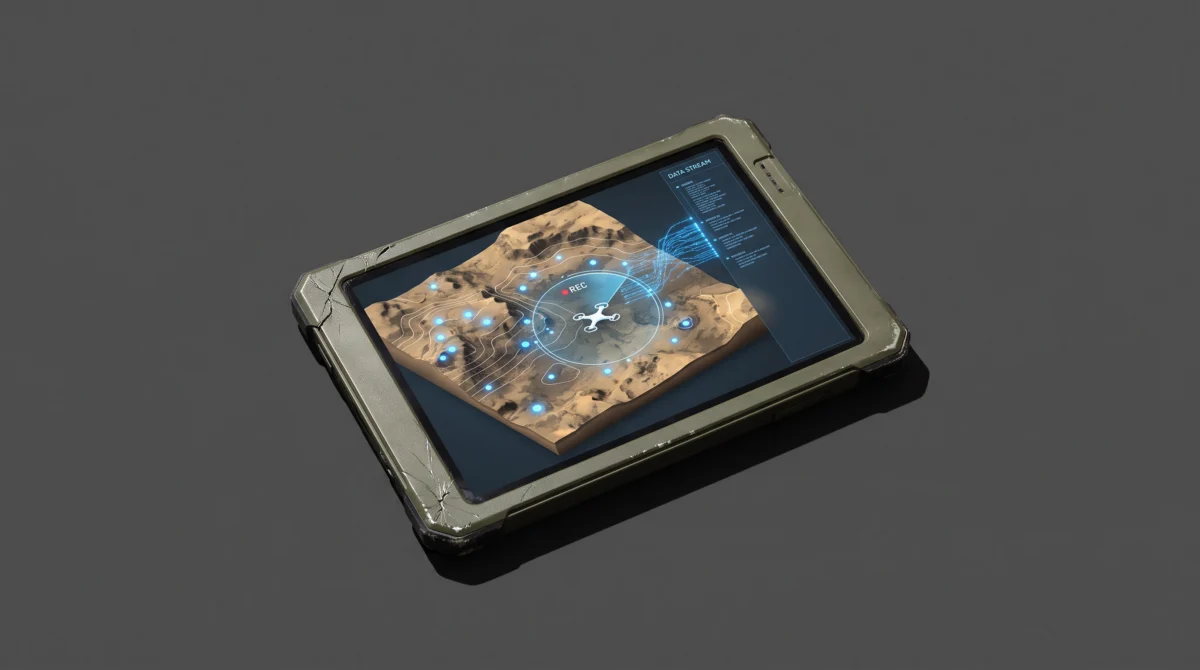
Every drone flight in Ukraine, whether a tactical surveillance mission or a kamikaze strike, records thousands of data points. High-resolution imagery, telemetry, flight paths, and, crucially, the split-second human inputs from the pilots guiding these machines are being logged. These recordings provide a granular look at how humans and machines interact under the most extreme, unpredictable conditions imaginable.
For AI developers, this dataset is a "gold mine." Machine learning models thrive on real-world edge cases—the chaotic, messy, and non-linear events that occur when a drone maneuvers through electronic warfare interference or navigates a crumbling urban landscape. These are conditions that cannot be perfectly simulated in a sterile laboratory. By analyzing how soldiers react to these stressors, tech companies are gaining the ability to train AI to mimic, refine, and eventually automate these decision-making processes.
Chronology: From Battlefield Chaos to Data Repository
The transition of Ukraine from a consumer of drone technology to a pioneer in battlefield data management has occurred rapidly over the last three years:
- 2022: The Proliferation Phase: Following the full-scale invasion, Ukraine saw an explosion in the use of "off-the-shelf" commercial drones, heavily modified for military use. The sheer volume of flight hours created an accidental database of combat maneuvers.
- 2023: Recognition of Value: Ukrainian defense innovators realized that the data being captured by their drone fleets held more than just tactical utility. It held the "lessons learned" of modern combat.
- January 2024: The Brave1 Initiative: The Ukrainian Ministry of Defense formally announced a strategy to centralize and share this data. The goal was to accelerate the domestic defense industry and attract international partnerships by providing access to the "Dataroom."
- Mid-2024 to Present: The ecosystem has expanded significantly. Over 100 companies—ranging from domestic startups to international defense contractors—have tapped into this data to train their AI models. The United Kingdom, among other allies, has signaled its intent to use this data to harden its own critical infrastructure against similar drone threats.
Supporting Data: Why This Matters
The scale of this data collection is unprecedented. Ukraine is currently conducting tens of thousands of drone sorties per month. If each flight produces even a few gigabytes of telemetry and video, the total volume of data is measured in petabytes.
According to reports from the Brave1 program, the integration of this data has allowed Ukrainian companies to shorten the development cycle of AI-driven navigation and target recognition systems from years to mere months. By feeding the "noise" of the battlefield—the jamming signals, the signal loss, and the rapidly shifting landscape—into neural networks, developers are creating systems that are significantly more resilient than those trained on peacetime data.
Official Responses and Strategic Alliances
The move to open these archives to international partners is a calculated strategic maneuver for Kyiv. By providing access to this data, Ukraine secures not only financial investment but also a deeper, more permanent integration with Western defense industrial bases.
"The battlefield is the ultimate testing ground," a representative from the Ukrainian defense sector noted. For international partners, the appeal is obvious. The British government’s interest, for instance, is rooted in the necessity of protecting sensitive sites from the very type of drone warfare currently being perfected in Eastern Europe. By training their own defensive AI models on Ukrainian data, the UK and other NATO members hope to "inoculate" their systems against the tactics being deployed by adversarial forces.
However, this policy is not without its critics. Human rights organizations and AI ethicists have raised concerns about the "dual-use" nature of this technology. There is a fine line between using data to improve defensive interception systems and using it to enhance the lethality of autonomous weapon systems (AWS).
The Implications: A New Völkerrecht (International Law) Frontier
The emergence of this data-driven arms race raises profound questions about the future of global security. We are entering an era where a country fighting for its very existence is effectively acting as an R&D hub for the world’s most powerful militaries and tech conglomerates.
1. The Ethical Dilemma
The data being used to train these models is "blood-soaked" data. It is captured during moments of death and destruction. When that data is then commercialized or integrated into the military-industrial complex of stable, peaceful nations, it creates a moral disconnect. Can an AI trained on the trauma of a war-torn country be used ethically in a civilian context?
2. The Regulatory Vacuum
As the article suggests, this is a völkerrechtliches Vakuum (a vacuum in international law). Currently, there are no global standards governing who owns the data generated in a conflict zone, how it can be shared, or the extent to which it can be used to automate lethal force. If Ukraine sets the precedent that battlefield data is a commodity, other nations—or even non-state actors—will surely follow. The risk is a "race to the bottom" where the speed of AI development overrides the necessity of human oversight.
3. The Future of AI Architecture
The implications extend far beyond the military. The AI models being refined in Ukraine—those capable of high-speed object recognition, predictive maneuvering, and decision-making under uncertainty—are the exact models needed for autonomous vehicles, search-and-rescue drones, and advanced robotics. The "civilianization" of war-hardened AI is inevitable. We are essentially watching the foundations of the next generation of global automation being poured in the trenches of the Donbas.
Conclusion: A Shared Responsibility
The Ukraine conflict has forced a realization that data is the "ammunition" of the future. While the Ukrainian government’s decision to monetize and share this data is a pragmatic response to the existential threat it faces, the global community cannot afford to be passive observers.
The regulation of this new industry cannot be left to a nation currently occupied with the immediate demands of survival. It requires a concerted, international effort. Governments, ethical boards, and the tech giants themselves must establish a framework that ensures this data is used to protect rather than just destroy.
As the war in Ukraine continues, the lines between the battlefield and the boardroom are blurring. We are moving toward a reality where the software controlling our lives—from the delivery drones in our cities to the security systems protecting our infrastructure—will be built on the lessons learned from the skies over Ukraine. Whether this results in a safer world or a more dangerous one will depend on whether we choose to manage this "gold rush" with foresight, or allow the chaos of the battlefield to dictate the rules of the future.