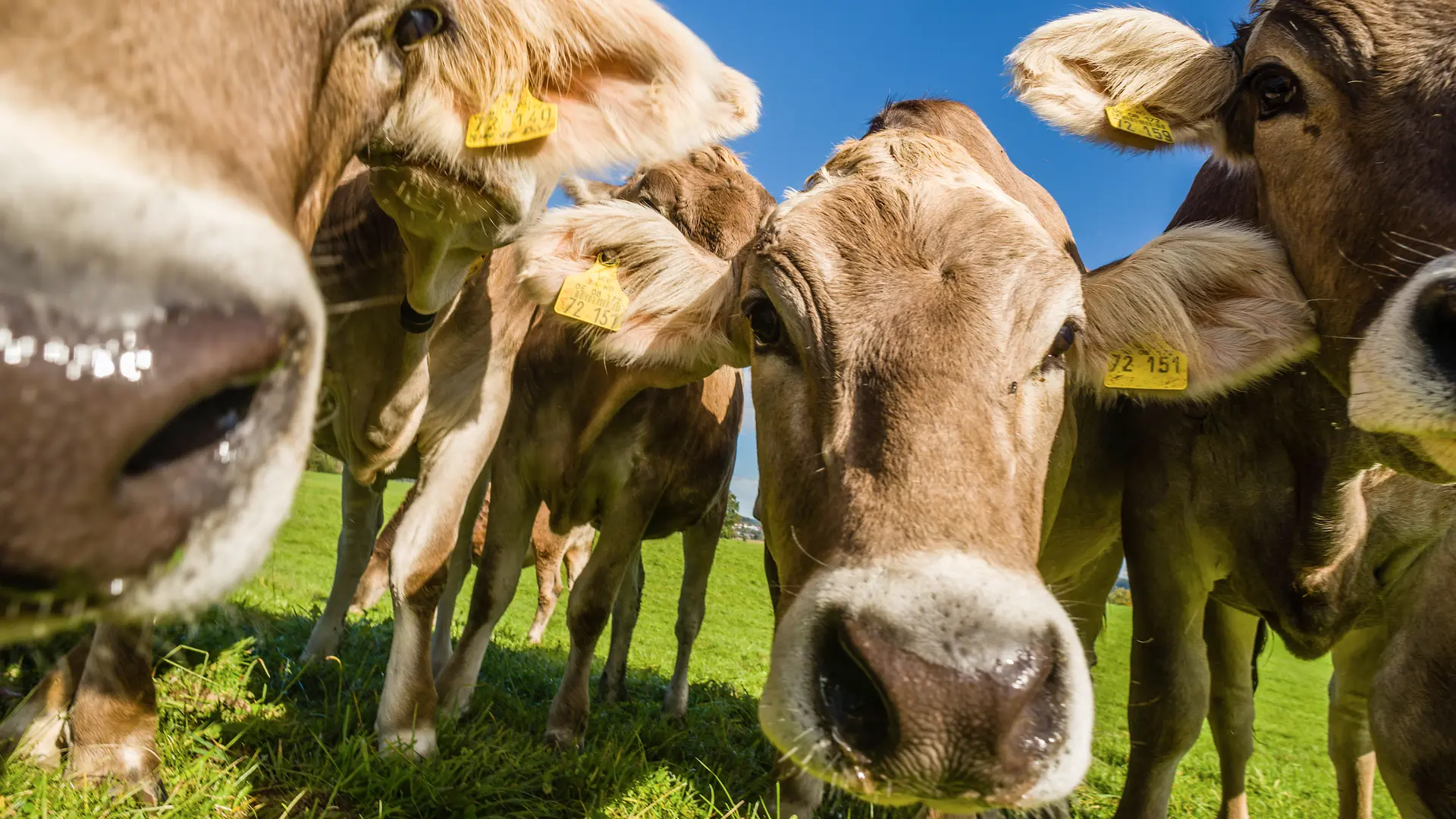
For decades, the image of cows grazing peacefully on a lush pasture has been a symbol of pastoral idyll. Yet, in the corridors of climate science and policy, that same image has become synonymous with one of the most stubborn challenges of the modern era: agricultural methane emissions. As the world grapples with the urgent necessity of reducing greenhouse gases, the humble cow—specifically its biological process of digestion—has found itself at the center of a complex, high-stakes experiment in Denmark.
The question at the heart of this endeavor is simple but profound: Can we maintain our livestock-based agricultural sector while drastically slashing its climate impact, or is a reduction in herd numbers the only viable path? Denmark has chosen the former, launching an ambitious, mandatory, and often contentious initiative to transform the barn into a laboratory for climate mitigation.
The Core Challenge: Why Cows Matter to the Climate
The primary culprit is enteric fermentation, a digestive process where microbes in the cow’s rumen break down fibrous plant material, resulting in the production of methane. This gas is a potent short-lived climate pollutant, with a warming potential far higher than carbon dioxide over a 20-year period. For many, the conclusion is straightforward: eat less meat, raise fewer cattle.
However, this transition is fraught with economic and social complexity. For thousands of farmers, livestock is the bedrock of their livelihoods and a cornerstone of rural economies. Recognizing this, the Danish government, in a landmark 2021 agreement, set an ambitious goal: to reduce total greenhouse gas emissions from agriculture by 55 to 65 percent by 2030. To reach this target without necessarily dismantling the livestock industry, Denmark is betting on innovation, specifically through mandatory dietary additives for cattle.
Chronology of a Policy Shift
The road to the current legislative framework has been rapid and reactive.
- 2021: The Danish government establishes the overarching climate target for agriculture, committing to a reduction of over 50 percent in emissions by the end of the decade.
- 2023: Implementation begins for large-scale farms (those with more than 50 head of cattle). Legislation mandates the use of methane-inhibiting feed additives.
- Late 2023/Early 2024: Reports emerge from the field suggesting that cows fed additives like Bovaer are exhibiting signs of distress, including decreased appetite and reduced milk yields. This creates immediate friction between policymakers and the agricultural sector.
- May 2024: The University of Aarhus releases preliminary findings, noting that while there is no widespread evidence of increased mortality, the concerns raised by farmers are significant enough to warrant further long-term monitoring.
- 2026 and beyond: Ongoing longitudinal studies are scheduled to continue through 2028, as Denmark prepares for the introduction of a comprehensive methane tax on livestock by 2030.
The Technological Arsenal: Additives and Alternatives
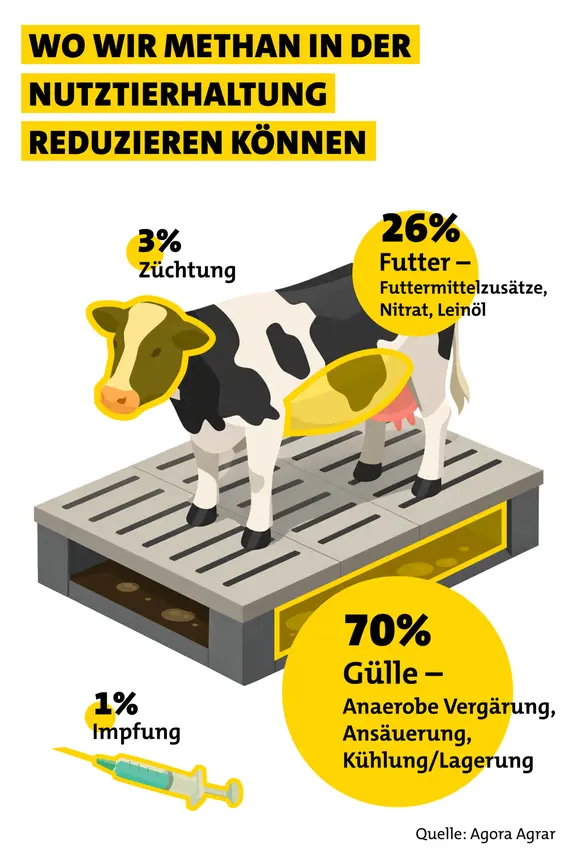
Denmark’s strategy revolves around two primary levers: fat-rich diets and the synthetic additive Bovaer. The science is sound—Bovaer works by inhibiting the enzyme responsible for the final step of methane production in the cow’s stomach. When effective, it can reduce methane emissions from enteric fermentation by up to 30 percent.
However, the transition from controlled laboratory settings to the messy reality of a working farm has been anything but smooth. Agrarian experts like Harald Grethe, head of the think tank Agora Agrar, have watched the Danish experiment with keen interest. "The technical potential is clear," Grethe notes. "The challenge is the operational reality. We are moving from a world of controlled trials to the daily grind of thousands of individual farms, each with different breeds, feeding regimes, and management styles."
The "one-size-fits-all" approach has proven to be a point of failure. When cattle show health issues, the rigidity of the initial mandate left little room for maneuver, leading to a breakdown in trust between the agricultural community and the state.
Official Responses and the Search for Consensus
The Danish Agricultural and Food Council, represented by figures like Jesper Arnth Stampe, has been instrumental in mediating this crisis. The Council argues that the government’s pace has sometimes outstripped the science, leaving farmers to bear the brunt of uncertainty.
"We are not against climate action," says Stampe. "But we are dealing with living creatures and complex biological systems. We need a ‘climate toolbox’—a range of options that farmers can select based on the specific needs of their herd, rather than a top-down mandate that ignores the feedback from the barn."
The response from the scientific community, led by institutions like the University of Aarhus, has been one of cautious observation. While they have provided some reassurance by stating that there is no broad evidence of systematic failure, they acknowledge the validity of individual farmers’ reports of illness and productivity loss. This ambiguity underscores the necessity of the ongoing research program, which is tasked with providing the data needed to refine the policy by 2028.
The "Bouquet" Approach: Beyond the Mandate
As the debate evolves, a new perspective is emerging. Some agricultural leaders, such as Jana Gärbert, a farm manager in Germany who is observing the Danish model, advocate for what she calls a "bouquet of possibilities."
Rather than focusing solely on mandatory synthetic additives, Gärbert emphasizes that climate, animal welfare, and economic viability must be treated as a holistic equation. Her own farm has experimented with Agolin, a plant-based additive that aims to improve feed efficiency while reducing methane—a "win-win" scenario that aligns economic incentives with ecological goals. This suggests that the future of livestock management might lie in diversifying the tools available to farmers, allowing for a more bespoke approach to emissions reduction.
Economic and Political Implications
The most significant lesson from Denmark is not technological; it is political. The country has succeeded in creating a "carrot-and-stick" system where the carrot is, quite literally, tied to the ability to pay. The impending 2030 methane tax creates a massive incentive for farmers to invest in emissions-reducing technology now. Those who succeed in lowering their footprint will face lower tax burdens, while those who lag behind will face escalating costs.
Perhaps more importantly, the Danish government shifted the conversation from "what the farmer must do" to "how we will support the farmer in doing it." The negotiations involved deep collaboration between the government, the scientific community, and agricultural unions. This consensus-driven model provides a buffer against the political volatility often seen in European agricultural policy.
For the rest of the world, and specifically for Germany, the Danish experience offers a roadmap and a warning. The roadmap shows that success requires burden-sharing: if society demands a reduction in emissions, it must also provide the financial and technical infrastructure for farmers to achieve that goal. The warning is equally clear: if policies are implemented without sufficient flexibility for the inherent variability of biological systems, the resulting loss of trust can stall progress for years.
Conclusion: The Path Forward
The "Danish Lab" remains open. While the initial roll-out of methane-inhibiting feed faced significant headwinds, the long-term project of decarbonizing agriculture is moving forward. The goal of reaching a 65 percent reduction in emissions by 2030 is arguably one of the most ambitious in the world, and the data gathered in Denmark will inevitably form the backbone of future EU-wide agricultural policy.
Ultimately, the lesson of the "rülpsende" (burping) cow is that there is no silver bullet. The climate crisis in agriculture requires a synthesis of hard science, economic pragmatism, and, crucially, a social contract that respects the expertise of the farmer. As Denmark continues to refine its approach, the world will be watching to see if this marriage of technology and policy can truly turn the tide on one of the most challenging aspects of our climate future. By moving together—government, science, and the agricultural sector—the Danes are demonstrating that the transition to a sustainable future is not just about the rules we write, but about the partnerships we build in the field.