By Editorial Staff (based on research from TU Dresden)
The construction industry is the backbone of the German economy, responsible for shaping the nation’s infrastructure, housing, and commercial landscape. Yet, as Europe accelerates its transition toward a carbon-neutral future, a critical blind spot has emerged within this vital sector. A comprehensive new study from the Technical University (TU) of Dresden reveals a startling statistic: only five percent of German construction firms systematically calculate their CO2 footprint.
While the sector is increasingly exposed to the financial realities of carbon pricing—embedded in fuel, materials, and energy costs—the vast majority of companies remain in the dark regarding their actual climate impact. This lack of data transparency is not just an environmental oversight; it is a significant competitive disadvantage in a market that is rapidly tightening its regulatory grip.
Main Facts: A Sector in the Fog
The study, led by researchers Philipp Richter and Patrick Leistner, surveyed 601 construction companies across all 16 German federal states. The sample is representative of the German construction industry, where 89 percent of firms are small-to-medium-sized enterprises (SMEs) often held in family ownership.
The core findings paint a picture of a sector struggling to translate environmental awareness into actionable data:
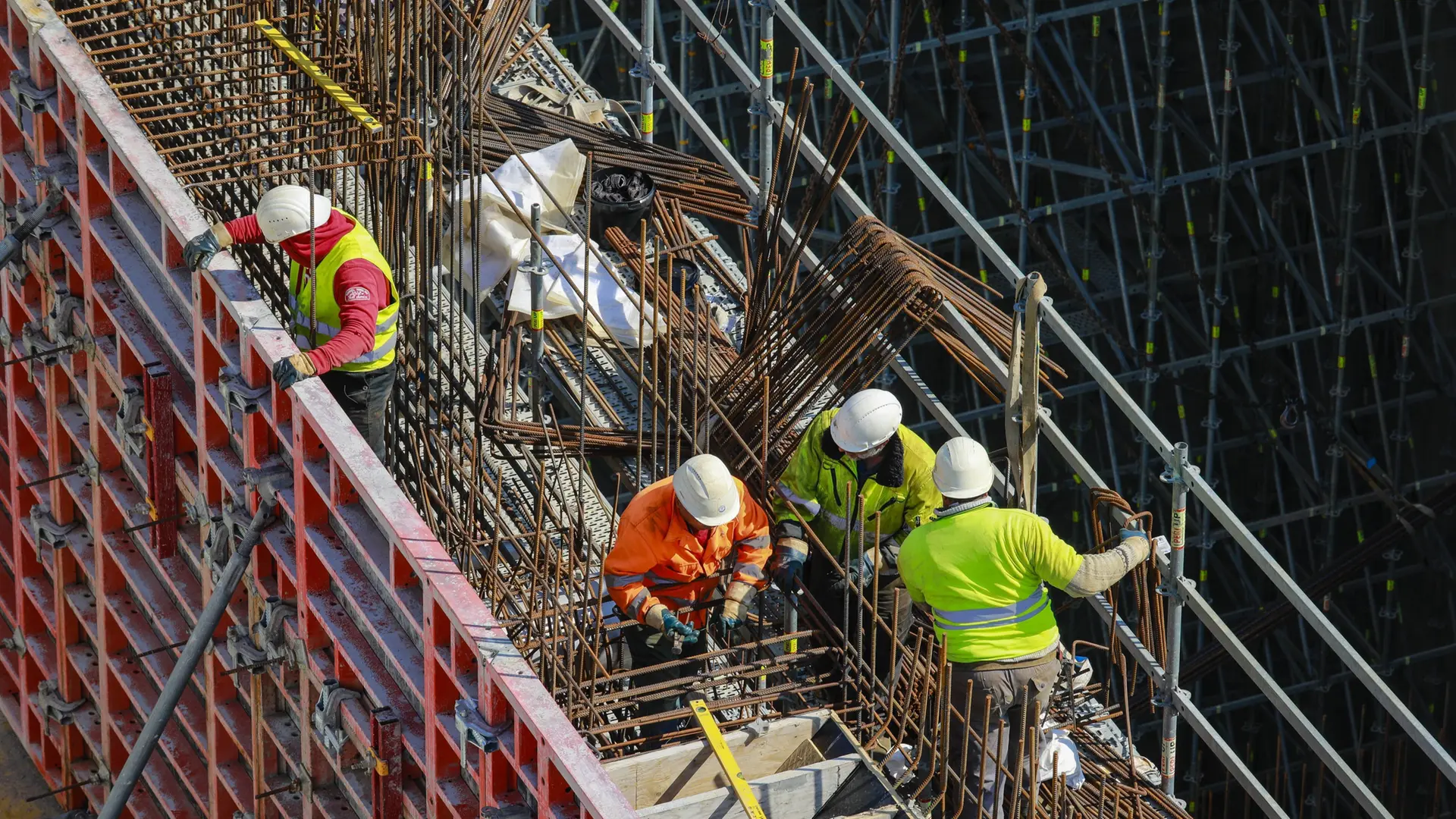
- The 5% Metric: Only one in twenty firms maintains a formal, comprehensive climate balance sheet.
- The 20% Awareness Gap: While 20 percent of firms consider environmental costs within project-specific calculations, this rarely extends to a full, systematic enterprise-wide measurement.
- The Regulatory Squeeze: With the introduction of the EU-Omnibus Directive and upcoming national requirements for life-cycle carbon assessments in new buildings by 2028, the "wait and see" approach is becoming a liability.
"Construction firms, particularly SMEs, are under mounting pressure to provide granular data on materials and processes," says Philipp Richter. "This demand is coming not only from public procurement offices, which now factor carbon prices into tenders, but also from banks that increasingly view ecological metrics as essential for risk assessment and loan approval."
Chronology: From Voluntary Effort to Mandatory Compliance
For years, the construction industry viewed sustainability as a "nice-to-have" marketing tool. However, the landscape has shifted rapidly over the last 36 months:
- 2023-2024: The implementation of national carbon pricing on heating and transport fuels began to eat into the margins of construction firms, forcing a realization that carbon is a direct cost factor.
- 2025: The EU-Omnibus Directive started filtering down the supply chain. While only large corporations are legally mandated to report emissions, these giants are now demanding detailed emission data from their smaller subcontractors to verify their own ESG (Environmental, Social, and Governance) reports.
- 2026: The publication of the TU Dresden study acts as a wake-up call, highlighting that the sector is ill-prepared for the administrative requirements of the coming years.
- 2028 (Outlook): The Building Modernization Act will mandate full life-cycle carbon assessments for large new construction projects. Firms that have not digitized their carbon accounting by this point will likely face severe operational bottlenecks.
Supporting Data: The Cost of Ignoring Carbon
The research highlights a fundamental misunderstanding among many business owners: the belief that they are "too small" to worry about carbon tracking. Patrick Leistner notes, "The carbon price is already baked into everything—diesel for the excavators, the electricity for site lighting, the production cost of cement, and the logistics of waste disposal."
Regional Disparities
The study uncovered notable geographical differences. Firms with international operations are significantly more likely to measure their emissions, likely due to the strict reporting requirements in foreign markets.
- Saxony: Performed at the national average.
- Thuringia and Saxony-Anhalt: Participation rates were notably lower, suggesting that regional construction hubs may require more targeted educational support to close the knowledge gap.
The "Low-Hanging Fruit"
The researchers emphasize that measurement does not require an expensive consultancy. Simple methods, such as multiplying energy invoices by standard emission factors, provide a baseline. Tools like the emissions calculator offered by the German Chambers of Skilled Crafts (Handwerkskammer) are designed specifically to help small businesses bridge this gap without needing high-level technical expertise.
Official Responses and Industry Guidance
The findings have sparked a dialogue between academia and trade organizations. Petra Glöhr, a consultant for energy and environment at the Chamber of Skilled Crafts (Handwerkskammer) in Dresden, confirms that the appetite for change is growing, albeit driven by necessity.
"The demand for guidance on environmental and climate issues is skyrocketing," says Glöhr. "This is driven by volatile energy prices, new legal requirements, and a genuine shift in client interest toward heat pumps and photovoltaics."
According to the Chamber, firms that proactively integrate energy-efficient practices—such as fleet electrification combined with on-site solar power generation—are finding themselves significantly more resilient to market fluctuations. The advice is clear: do not wait for the mandate; build the internal capacity now to turn sustainability into a cost-saving measure rather than a compliance burden.
Implications: The Future of Construction
The shift toward a "Circular Construction" model is no longer optional. As carbon prices continue to rise, the competitive edge will go to firms that can prove the lowest environmental footprint for their projects.
Innovative Materials as a Strategy
The industry is moving beyond standard concrete. Innovations like carbon-capture cement, where CO2 is injected into the material during production, and the use of recycled aggregates are becoming key differentiators.
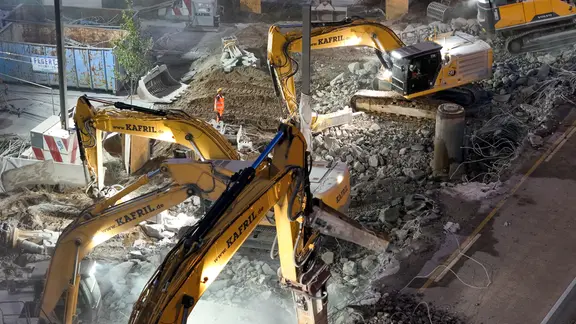
- Recycling: Reusing old building materials avoids the carbon-intensive production of new raw materials, significantly improving a project’s life-cycle assessment.
- Alternative Binders: Research into novel materials, such as asphalt incorporating bio-based binders (e.g., cashew shell waste), showcases that the sector is entering a phase of high-tech innovation.
The Financial Imperative
Perhaps the most significant implication of the study is the shift in capital allocation. Banks are increasingly using ecological performance as a KPI for lending. A firm that can demonstrate a low CO2 footprint for its construction processes is viewed as a lower credit risk. Conversely, firms that cannot account for their emissions may soon find credit terms becoming less favorable, as they are seen as unprepared for the inevitable tightening of climate regulations.
Conclusion: A Call to Action
The TU Dresden researchers conclude that the path forward for the 95 percent of firms that do not yet calculate their footprint is straightforward. It begins with a single hour of internal assessment—a deep dive into energy bills and material procurement.
"Construction firms are natural innovation drivers," says Richter. "They have a long history of adapting to new materials and engineering challenges. Integrating climate data into the daily workflow is simply the next evolution of that process. The goal is to move from a culture of ‘unknown emissions’ to one of ‘managed carbon,’ where environmental stewardship becomes a core pillar of profitability and long-term business viability."
The message to the German construction sector is clear: the data gap is an opportunity in disguise. By embracing the measurement of their climate impact, companies can identify massive inefficiencies, lower their operational costs, and secure their place in the market of the future. The tools are available, the guidance is there—all that remains is the decision to begin.