LEIPZIG – The city of Leipzig has once again transformed into the epicenter of global documentary filmmaking. As the 69th International Leipzig Festival for Documentary and Animated Film (DOK Leipzig) prepares for its week-long run, the atmosphere is charged with anticipation. Under the leadership of newly appointed Festival Director Ola Staszel, this year’s edition promises a departure from convention, prioritizing deep-seated regional identity and a revitalized commitment to facilitating critical social dialogue.
The festival officially opens this Monday with a dual-venue world premiere of “Guten Abend, Du Schöne” (Good Evening, You Beautiful One). The screening, held simultaneously at the historic Schauspielhaus for the industry elite and in the bustling main concourse of the Leipzig Central Station for the general public, signals the festival’s intent: to bridge the gap between high-art cinema and the daily life of the community.
A New Vision: The "Focus East" Initiative
At the heart of the 69th edition is the introduction of the "Focus East" (Fokus Ost) program. Curated in collaboration with former program director Grit Lemke, this new section serves as the centerpiece of Ola Staszel’s inaugural year as director. The program is a deliberate attempt to reclaim and re-examine the narrative of East German life, its historical ruptures, and the lingering complexities of its societal transition.
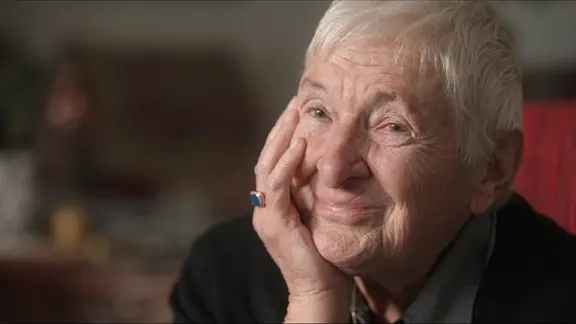
The opening film, “Guten Abend, Du Schöne,” acts as a thematic anchor for this new focus. Inspired by Maxie Wander’s seminal 1977 cult classic “Guten Morgen, Du Schöne”—a groundbreaking collection of interviews with East German women—the documentary, directed by Ina Borrmann, picks up the threads of these lives nearly five decades later. Borrmann spent ten years tracking down the original protagonists, many of whom remained anonymous in the original publication, to document how their personal trajectories have unfolded in a unified Germany.
"When I watched this film, it became clear to me that we could show our national and international audience exactly who we are and what occupies our thoughts," Staszel explained in a recent interview with MDR KULTUR. She emphasized that the film offers a profound reflection on gender roles, emancipation, feminism, and the distinctive "East-German" life projects that are often overlooked in mainstream historical discourse.
The Chronology of Change: From Tradition to Innovation
The festival’s history is inextricably linked to the socio-political climate of its host region. Founded in 1955, DOK Leipzig has survived the era of the GDR, the turbulence of reunification, and the digital revolution. This year, the festival features over 200 films and Extended Reality (XR) works, including 30 world premieres.

The Evolution of the Program
- Monday: Opening ceremonies featuring “Guten Abend, Du Schöne” and a tribute to Czech filmmaker Helena Třeštíková.
- Tuesday–Thursday: Mid-week focus on the "Positions" series—a new initiative aimed at fostering debate around controversial contemporary topics.
- Friday: Deep-dive into the "Focus East" catalog and regional retrospectives.
- Saturday: The awards ceremony, where the prestigious Golden and Silver Doves will be presented by the juries.
- Sunday: Closing screenings and audience award announcements.
This year, the festival is also experimenting with a new mechanism for the audience award, allowing viewers a more direct, democratic hand in recognizing the films that resonate most deeply with the public.
Supporting Data and Thematic Scope
The 2026 program is not merely a reflection of the past; it is a mirror held up to the fractured nature of the present. With 76 films running across four competitive categories, the themes range from the macro-political to the deeply personal.
Key Thematic Pillars:
- Identity and Home: A recurring motif in nearly 40% of the selected entries, exploring the concept of displacement and the longing for belonging.
- Conflict and Migration: Several films tackle the Mediterranean migrant crisis and the impact of systemic warfare on civilians.
- Mentality and Well-being: A growing segment of the program addresses the silent crises of mental health, motherhood, and the pressure of modern labor.
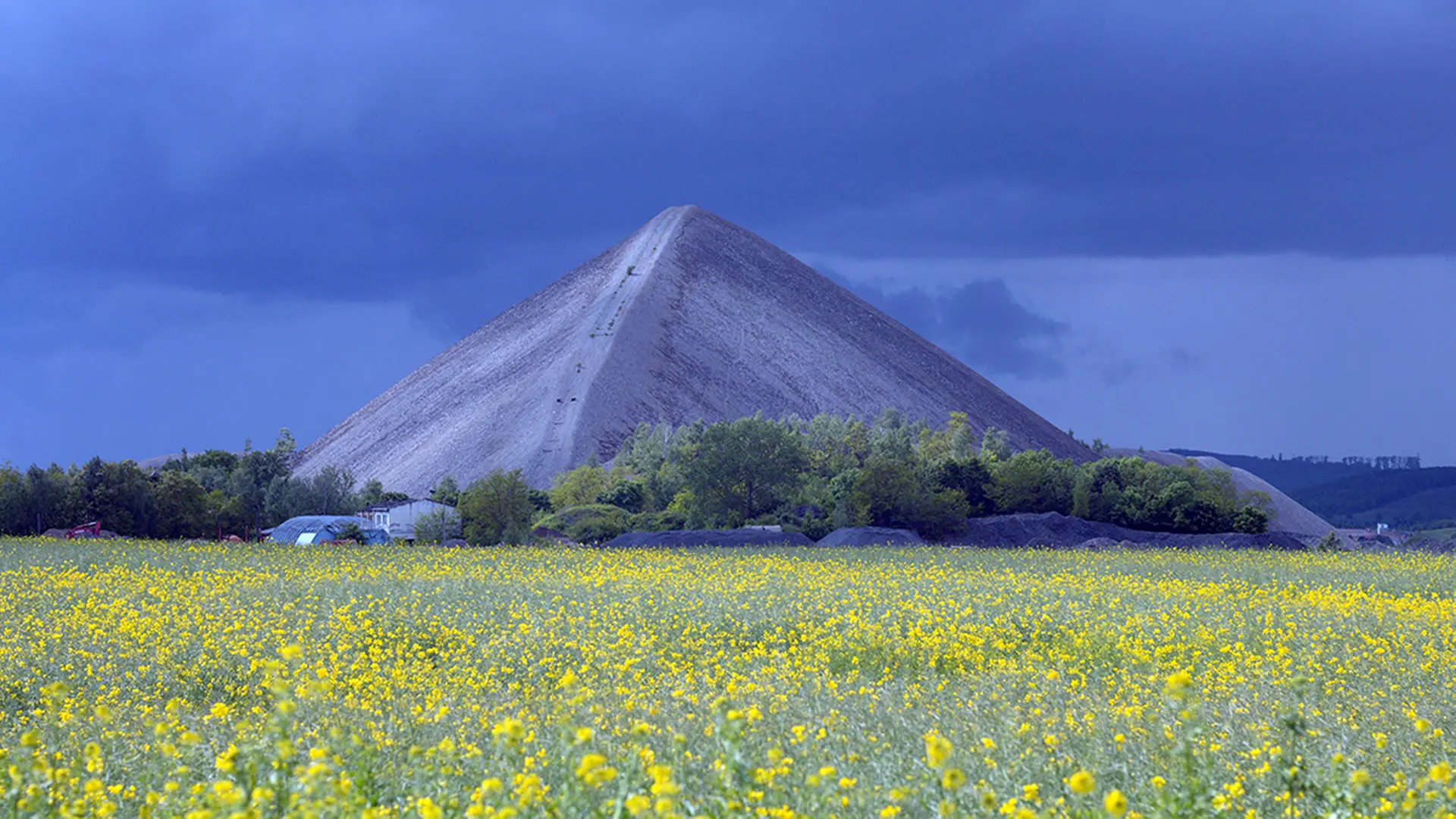
- Environmental Reality: Documentaries exploring the human impact on the landscape, such as “10 bis 20 Halden,” which reflects on the cultural significance of post-industrial mining heaps in the Mansfeld region.
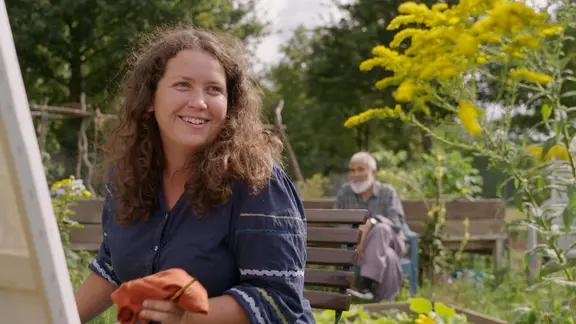
Director Dieter Schumann’s “Garten der Hoffnung” (Garden of Hope) provides a poignant example of the festival’s observational approach. The film follows residents in a Schwerin housing estate who find a new, collective utopia in a community garden project, illustrating how small-scale action can counter broader feelings of disillusionment.
Official Responses and the "Positions" Dialogue
Perhaps the most significant addition to this year’s festival is the "Positions" section. While debate has always been part of DOK Leipzig’s DNA, the current geopolitical climate has necessitated a more structured approach to dialogue.

"I come from Poland and have witnessed over the last few years how society has become deeply and radically polarized," Staszel noted. "I observe this with great concern in Germany as well." The "Positions" series is designed to use cinema as a catalyst for understanding complex, often divisive, societal issues.
This approach is particularly evident in the festival’s handling of the Israeli-Palestinian conflict. With six films in the main program and an immersive VR piece in the DOK Neuland exhibition, the festival addresses one of the most volatile topics in contemporary discourse. Films like Jonathan Omer Mizrahi’s “The Snake Charmer” and Ahmet Seven’s “For Life” approach the subject through the lens of human experience—the daily struggle of laborers in military security zones or the agonizing efforts of a family to connect across checkpoints.
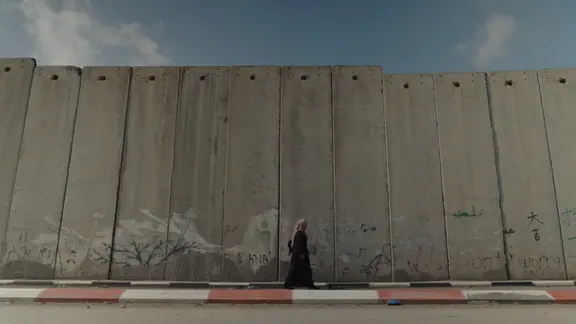
Staszel remains steadfast in her belief that the role of the festival is to observe, not to dictate. "The films we show are observational situations; they do not moralize. Documentary film is only a small extract of what the whole world consists of, but we have tried to make the program multifaceted in this regard," she stated.
Implications for the Future of Documentary Cinema
The 69th edition of DOK Leipzig represents a pivotal moment for the institution. By leaning into the "Focus East" narrative, the festival is not retreating into parochialism, but rather using the specific to explain the universal. The focus on Helena Třeštíková—the master of the biographical long-term observation—serves as a testament to the festival’s commitment to patient, thorough storytelling.
As Třeštíková brings her latest work, “Bára – Diary of a Rockstar,” to the international competition, the festival reinforces the idea that the "documentary" is not a static medium, but one that grows alongside its subjects.
The Stakes of the 2026 Edition
- Cultural Relevance: The festival is successfully positioning itself as a venue where the "East" is not a historical footnote, but a contemporary laboratory for understanding identity.
- Societal Cohesion: Through the "Positions" series, DOK Leipzig is attempting to reclaim the public sphere as a space for discourse, challenging the digital fragmentation of modern debate.
- Institutional Legacy: With a new director and a clear vision, the festival is navigating the transition from the legacy of Christoph Terhechte toward a future that is more politically engaged and locally rooted.
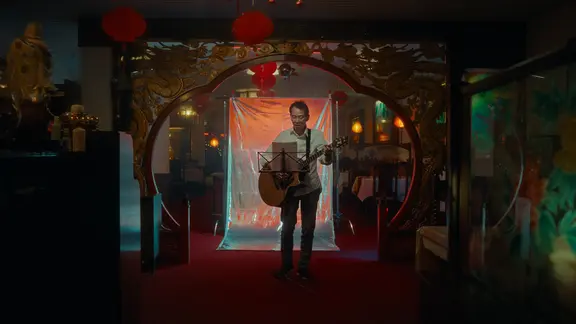
As the lights dim in the cinemas across Leipzig, the 69th DOK festival is already doing more than just showing films. It is creating a communal space to confront the "great search for home" in a world that feels increasingly transient. Whether through the lens of a guitarist in a Vietnamese-German restaurant or the perspective of a resident in a Mansfelder mining town, the message remains clear: the truth of our collective existence is found in the stories we dare to tell one another.
The festival continues through Sunday, and if the opening night is any indication, it is poised to be one of the most significant cultural events in Germany this year.