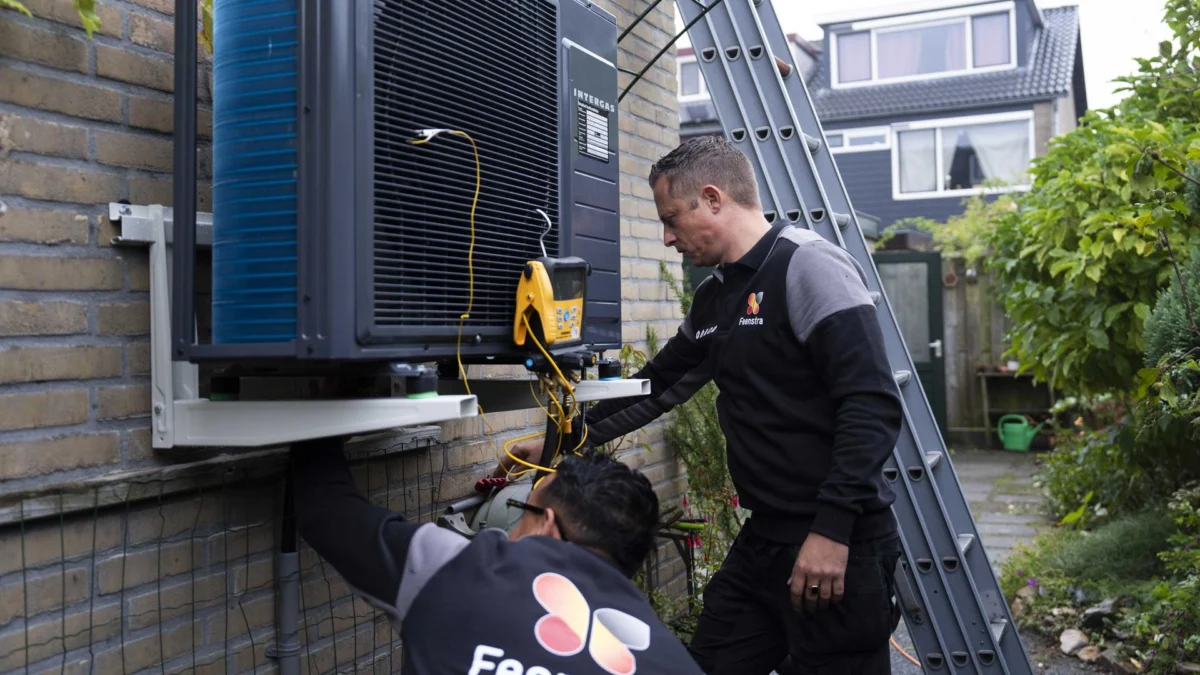
Despite the political turbulence surrounding Germany’s heating transition—often colloquially referred to as the "Heizungsgesetz"—a profound shift is underway in the nation’s residential energy landscape. Heat pumps, once a niche technology for specialized eco-conscious builds, have firmly established themselves as the new standard for residential heating, particularly in the new-construction sector. However, this transition is not without its growing pains; a surge in demand, coupled with persistent supply chain hurdles and labor shortages, has left many homeowners facing significant waiting times.
The Reality of the Transition: A Case Study in Dautphetal
For 62-year-old teacher Ulrich Muth, who resides in Dautphetal, the decision to pivot away from fossil fuels was driven by both economic pragmatism and long-term sustainability. For three decades, his home has been warmed by a conventional oil-fired furnace. Today, he views that system as a relic of a more predictable energy era.
"The price for heating oil has simply exploded," Muth explains, pointing to the volatility of global crude oil markets, which have been exacerbated by escalating conflicts in the Middle East. With costs for 100 liters of heating oil soaring to as much as 180 euros—levels reminiscent of the acute energy crisis following the onset of the war in Ukraine in 2022—Muth is no longer willing to gamble on fossil fuels.
However, his journey toward a greener home is stalled by the logistics of the current market. Despite his desire to switch to a heat pump, the reality is that he will likely have to wait until next year for installation. His situation is a microcosm of a broader national trend: the desire for change is high, but the infrastructure of supply and installation is currently stretched to its absolute limit.
Chronology of the Heating Shift
The shift toward heat pumps did not happen overnight. It is the result of a multi-year convergence of geopolitical instability, climate policy, and technological maturity.
- Pre-2022: The German heating market was dominated by gas and oil. According to the State Statistical Office in Wiesbaden, nearly 80 percent of the three million households in Hesse relied on these two fossil fuels as late as 2022.
- 2022 (The Turning Point): Following the invasion of Ukraine and the subsequent cutoff of Russian gas supplies, the German energy market entered a state of emergency. The volatility of energy prices triggered an immediate shift in consumer sentiment.
- 2023–2024: The German federal government introduced and subsequently revised the Gebäudeenergiegesetz (GEG), or Building Energy Act. While initial iterations caused public outcry, the final version allowed for more flexibility, including the use of climate-friendly fuels in existing systems.
- 2025 and Beyond: Heat pumps have now achieved dominance in new construction. Recent data indicates that approximately 2,300 new residential buildings were equipped with heat pumps in the last recorded cycle, with an additional 2,500 projects approved for installation.
Supporting Data: A Market in Transformation
The transition is supported by compelling statistics. For years, the German residential sector was heavily tethered to fossil fuels, but recent federal data shows a clear downward trend in the installation of oil-based systems in new buildings.
The heat pump sector has seen a sustained boom. In Hesse alone, the penetration of heat pump technology has moved from a secondary option to the primary choice for developers. This is not merely a result of regulatory pressure, but of cost-benefit analyses performed by homeowners. While the initial investment for a heat pump can reach up to 45,000 euros, the long-term operational costs are significantly lower than those of gas or oil systems.
Furthermore, the "fear factor" associated with the government’s back-and-forth on heating laws has largely dissipated. According to industry experts, even when the legislation was softened to allow for "renewable-ready" gas heaters, the public preference remained overwhelmingly in favor of heat pumps. The driving force is no longer just legislative, but financial: the long-term prognosis for carbon pricing makes fossil fuels an increasingly unattractive investment.
The Bottleneck: Industry Challenges and Supply Chains
While demand is high, the industry is struggling to keep pace. Mirko Fenner, a heating contractor based in Dautphetal, notes that the sheer speed of the transition has caught the supply chain off-guard.

"The industry has been dealing with persistent delivery difficulties," Fenner says. "We simply cannot install these units as quickly as people want them." The challenge is twofold: a shortage of high-quality equipment parts and a critical lack of skilled labor to perform the complex installations.
Uwe Loth, the State Guild Master for the Sanitary, Heating, and Air Conditioning (SHK) Association in Hesse, echoes these sentiments. He notes that, on average, consumers are currently facing a three-to-four-month waiting period. "The standard heating system for years was gas. That is being replaced by the heat pump," Loth observes. He notes that while district heating is a viable alternative in large, densely populated urban centers, the heat pump is the undisputed champion for detached and semi-detached homes across the state.
Official Responses and Manufacturer Efforts
Major manufacturers have recognized the urgency of the situation and are reacting. The Bosch Home Comfort Group, which operates a significant facility in Eschenburg, Hesse, has reported a marked increase in demand, particularly over the last few quarters. To address the resulting delivery delays, the company has officially confirmed the expansion of its production capacities. By ramping up output at their regional facilities, manufacturers hope to shorten wait times and stabilize the market.
However, the industry also faces a looming deadline that is further fueling the current rush. Government subsidies of up to 22,000 euros are available, but these support packages are set to decrease in the coming year. This "deadline effect" has created a secondary spike in demand, as homeowners are eager to secure their installations before the financial incentives are reduced.
Implications for the Future of Energy
The implications of this transition are significant. Firstly, the reliance on heat pumps represents a major decentralization of energy management. By shifting from imported fossil fuels to electricity—which is increasingly generated by wind and solar power—German households are effectively "electrifying" their carbon footprint.
Secondly, the transition highlights the importance of workforce development. As the heating sector moves from mechanical combustion engineering toward electrical and thermodynamic systems, the demand for specialized technicians will continue to grow. This is not just a challenge for the current moment, but a long-term requirement for the country’s energy transition.
Finally, the consumer experience—exemplified by Ulrich Muth—suggests a shift in the political and social psyche. Despite the frustration of waiting lists and the "back-and-forth" of legislative debate, there is a pragmatic acceptance of the necessity of this shift. As Muth noted with a sense of democratic stoicism: "We want democracy—then we have to live with the disadvantages. Sometimes things go forward, and sometimes they go backward."
As Germany moves forward, the heat pump has transitioned from a political talking point to an essential household appliance. While the path to a carbon-neutral housing sector remains fraught with logistical challenges, the fundamental direction of the market is clear. The era of the oil burner is drawing to a close, and the era of the heat pump has firmly begun.