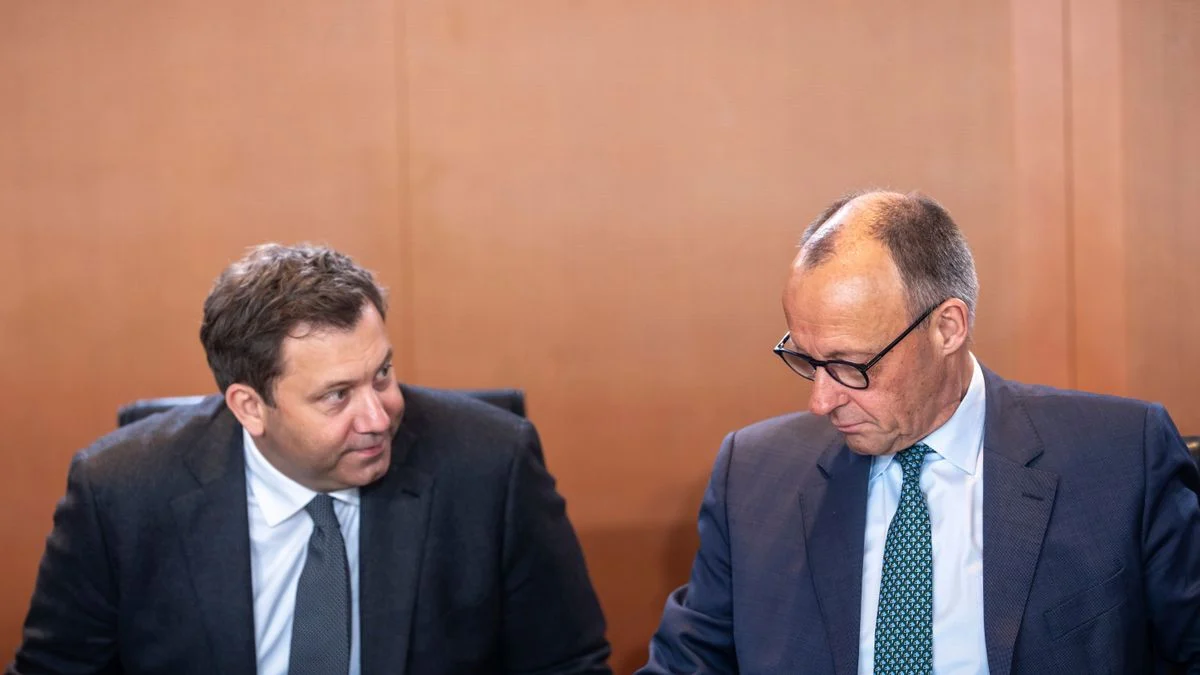
The German federal government is currently embroiled in a high-stakes legislative tug-of-war over the proposed introduction of a "sugar tax" on sweetened beverages. Driven by a mix of fiscal necessity and public health objectives, the plan—spearheaded by SPD party leader Lars Klingbeil—has become a flashpoint for internal coalition tensions. While the goal is to incentivize manufacturers to reduce sugar content and bolster the federal budget, the path to implementation is proving to be far from straightforward.
The Core Proposal: A Shift in Strategy
At its heart, the government’s proposal aims to curb the consumption of high-sugar drinks, which health experts have long linked to rising rates of obesity and diabetes. By imposing a levy on sweetened beverages, the state intends to nudge manufacturers to reformulate their products.
However, the latest draft, submitted by Klingbeil this past Wednesday, represents a significantly "softened" version of earlier, more ambitious concepts. Under the current framework, the tax would apply to all beverages containing more than five grams of sugar per 100 milliliters.
In a notable concession to industry lobbyists and consumer groups, the scope of the tax has been narrowed. Unlike earlier iterations of the plan, beverages sweetened exclusively with sugar substitutes—often referred to as "Zero" or "Diet" products—will be exempt from the levy. Furthermore, the government has carved out exceptions for pure fruit and vegetable juices, as well as non-alcoholic beers and wines. This tiered approach suggests a government trying to balance public health goals with the practical realities of the beverage market and public acceptance.
The financial structure of the tax is designed to be progressive based on sugar density. Depending on the exact concentration of sugar, the levy is expected to range between 26 and 38 cents per liter. The government anticipates that this measure will generate substantial revenue, estimating incoming funds of approximately 945 million euros in the first year alone, rising to 1.155 billion euros in the second, and potentially reaching 1.18 billion euros by 2031.
Chronology of the Conflict
The road to this week’s draft has been marked by procedural friction and administrative hurdles. The tension became palpable on Wednesday when Klingbeil’s ministry finally circulated the plans for inter-ministerial coordination.
The reaction within the corridors of power was immediate. Sources close to the government suggest that the current draft deviates significantly from the initial recommendations proposed by the "Finanzkommission Gesundheit" (Financial Commission for Health). This gap between the expert-led commission’s vision and the government’s actual legislative draft has fueled accusations of poor planning.
Insiders from the Union parties (CDU/CSU) have been particularly vocal, criticizing the Ministry of Finance for what they describe as a failure to conduct proper "early coordination." In the complex world of German federal policy, early coordination is essential to ensure that various ministries—from Health to Agriculture to Finance—are aligned before a draft hits the cabinet table. The lack of this early-stage synchronization has left many officials feeling blindsided, potentially complicating the legislative journey of the bill.
Supporting Data and Fiscal Projections
The fiscal ambition behind the sugar tax is undeniable. With the federal budget under constant pressure, the prospect of an annual revenue stream exceeding one billion euros provides a compelling argument for the Ministry of Finance.
The projected figures provided by the ministry are as follows:
- Target Start Date: July 1, 2027.
- First-Year Revenue (2027/2028): ~945 million euros.
- Second-Year Revenue: ~1.155 billion euros.
- Long-term Projection (by 2031): ~1.18 billion euros.
These numbers reflect an expectation that while some consumers may switch to healthier, non-taxed alternatives, a significant portion of the population will continue to purchase sweetened drinks, thereby providing a steady flow of tax revenue. The government maintains that these funds are not just for the treasury, but act as a behavioral tax—a "nudge" in economic terms—intended to shift consumer habits toward healthier choices.

Official Responses and Administrative Stance
When approached for comment regarding the internal criticism and the status of the negotiations, the Federal Ministry of Finance maintained a guarded, professional stance.
"The Federal Government has reached a decision in principle to introduce a sugar tax on beverages," a spokesperson stated to SPIEGEL. "Currently, the specific details regarding the concrete implementation of this measure are under negotiation between the relevant ministries."
The ministry declined to comment on specific details of the ongoing deliberations, citing the standard protocol for sensitive inter-departmental discussions. This response highlights the delicacy of the situation: while the government has committed to the tax in principle, the how—the exact application, the threshold for taxation, and the exemptions—remains a battleground for policy experts and political strategists.
Implications: A Balancing Act
The implications of this policy are far-reaching, affecting everything from public health outcomes to the bottom lines of Germany’s massive beverage industry.
1. The Health Perspective
Proponents of the tax, including many medical professionals and public health advocates, argue that the five-gram-per-100-milliliter threshold is a sensible starting point. It targets the most problematic products—sodas, energy drinks, and sweetened teas—without punishing consumers who opt for natural juices or sugar-free alternatives. The hope is that the price increase will lead to a measurable reduction in daily sugar intake, which is essential for tackling the rising prevalence of type 2 diabetes and obesity in the German population.
2. The Economic Impact
Conversely, the industry has expressed concerns about the impact on jobs and manufacturing costs. Beverage producers are wary of the administrative burden involved in tracking sugar content for tax purposes and the potential for declining sales. By exempting "Zero" products and certain juices, the government has clearly attempted to mitigate the backlash from the industry, but the threat of a price hike for popular sodas remains a sensitive topic for the average consumer.
3. Political Fallout
For the coalition, the timing of the tax is critical. With an implementation date set for July 2027, the government is looking at a long runway. However, the current internal friction indicates that the path to passage in the Bundestag will be anything but smooth. The criticism from the Union parties regarding the lack of coordination suggests that the opposition will likely seize on procedural shortcomings to stall or weaken the legislation further.
Conclusion: The Path Ahead
The German government finds itself at a crossroads. The ambition to enact a sugar tax is a clear attempt to align fiscal policy with long-term public health goals. Yet, the process has exposed the complexities of governance in a coalition system, where the ideal policy must be tempered by political compromise and procedural rigor.
As the ministries continue their negotiations, the public remains waiting for the final, ironed-out details. Will the 2027 deadline hold? Will the current draft survive the intense scrutiny of the inter-ministerial coordination process? One thing is certain: the debate over the sugar tax is about more than just the price of a soda—it is a fundamental discussion about the role of the state in shaping the health and habits of its citizens.
The coming months will be decisive. Whether the final legislation remains a robust tool for public health or becomes a watered-down compromise will depend on the government’s ability to bridge the gap between its ambitious vision and the bureaucratic realities of Berlin. As it stands, the proposal remains a work in progress, subject to the pressures of political maneuvering, fiscal necessity, and the watchful eyes of an industry preparing for a significant change in the regulatory landscape.