


In a landmark development for global motorsport, the pinnacle of racing is poised to make a long-awaited return to the African continent. Reports emerging from Kigali and confirmed by sources within the Fédération Internationale de l’Automobile (FIA) suggest that Rwanda has successfully secured a deal to host a Formula 1 Grand Prix, with the inaugural event tentatively slated for the 2030 season.
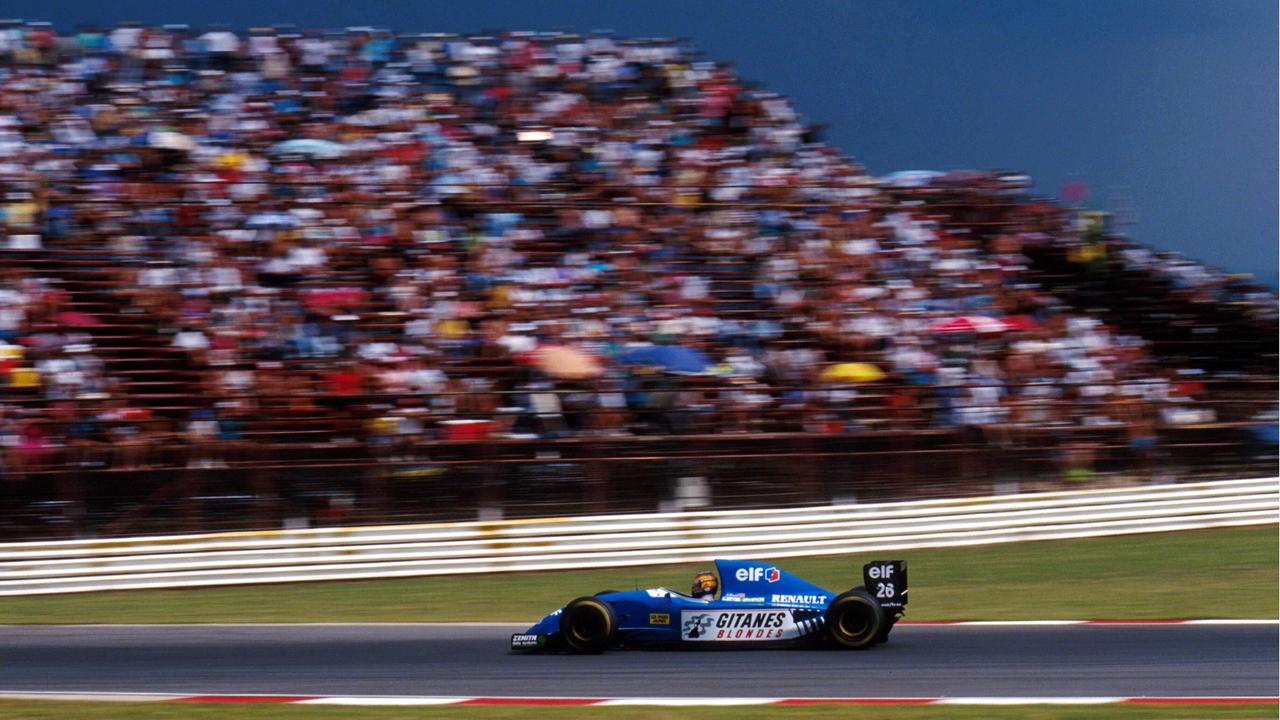
For the sport, this represents the culmination of a decades-long pursuit to reclaim a presence in Africa—a region that has been absent from the F1 calendar since the last chequered flag fell at the Kyalami Circuit in South Africa in 1993. The move marks a strategic shift for Liberty Media, the commercial rights holder of Formula 1, as it continues to aggressively expand its global footprint into emerging markets.
A Historical Void: The 37-Year Absence
The history of Formula 1 in Africa is anchored primarily in the storied Kyalami circuit. Between 1967 and 1993, South Africa served as a regular host for the world championship, providing iconic moments in racing lore. However, the post-apartheid era saw a long hiatus, leaving a significant void in the sport’s claim to be truly "global."
For years, the absence of an African leg of the championship has been a point of contention among fans, drivers, and governing bodies. The decision to select Rwanda as the host nation for 2030 is viewed as a bold, if unexpected, choice. While many analysts anticipated a return to the historic asphalt of South Africa, the Rwandan government has successfully leveraged its burgeoning reputation as a hub for international sporting events to beat out regional rivals.
The Architect of Ambition: Lewis Hamilton’s Influence
Perhaps no individual has been more vocal about the necessity of this expansion than seven-time World Champion Lewis Hamilton. The British driver, who has consistently championed diversity and global inclusion, has made the "African GP" a personal crusade.
"For the past six or seven years, I have been working behind the scenes to push for a Grand Prix in Africa," Hamilton remarked earlier this season at the Australian Grand Prix in Melbourne. "I have been sitting down with the stakeholders, asking the difficult questions: ‘Why are we not there?’ I don’t want to leave this sport without experiencing the energy of an African race. It is a mission I have felt deeply invested in."
Hamilton’s advocacy provided the necessary political and cultural pressure to keep the project on the FIA’s agenda. His influence transformed a speculative dream into a concrete negotiation, eventually leading to the breakthrough agreement with the Rwandan government.
The Strategic Alliance: Why Rwanda?
The selection of Kigali as the future home for an F1 circuit is not an isolated decision. It is the latest move in a deliberate "Sportswashing" or "Sport-Diplomacy" strategy that the Rwandan government has been pursuing for nearly a decade.
By hosting high-profile events—including the 2025 Cycling World Championships—Rwanda has sought to rebrand itself as a center for tourism and international business. The F1 project, which is reportedly receiving substantial financial and logistical backing from Qatar, represents the zenith of this ambition. The involvement of Qatari investment provides the necessary capital to build a state-of-the-art facility from the ground up, a requirement that often proves prohibitive for many nations.
Official Responses and the South African Perspective
While an official announcement from the FIA and the Rwandan government is expected to take place in Kigali next week, the regional reaction has been mixed.
South Africa, which had been the frontrunner for a return to the F1 fold, remains determined to host its own event. Gayton McKenzie, South Africa’s Minister of Sport, Art, and Culture, took to social media to clarify his nation’s position. While acknowledging the success of Rwanda’s bid, he remained defiant regarding South Africa’s future in the sport.
"We are happy for Rwanda; they have worked hard and they deserve this opportunity," McKenzie stated. "However, let us be clear: South Africa will get the Formula 1 back before 2030. We are not competing for a single slot. If Italy can host two races in a single season, why must a continent as vast and diverse as Africa be limited to only one? We believe there is room for both."
This sentiment suggests that the 2030 Rwandan Grand Prix might not be the sole African event, but rather the catalyst for a broader expansion of the F1 calendar across the continent.
Implications: Economy, Environment, and Ethics
The decision to bring the circus of Formula 1 to Rwanda is not without its critics. Human rights organizations have long pointed to the Rwandan government’s track record, raising concerns about the ethics of using world-class sports to burnish a nation’s international image.
Critics point to the government’s previous partnerships with European football giants—such as Paris Saint-Germain, Arsenal, and the FC Bayern Munich youth academy—as evidence of a concerted effort to distract from domestic political challenges. The arrival of Formula 1, with its massive carbon footprint and extreme logistical requirements, will likely intensify the debate regarding the environmental and social costs of "sportswashing."
Furthermore, the logistical challenge of constructing a Grade 1 FIA-certified circuit in a landlocked nation like Rwanda is immense. Engineers will face the daunting task of designing a track that meets the strict safety and technical requirements of modern F1 cars while integrating into the hilly, verdant landscape that characterizes the "Land of a Thousand Hills."
The Economic Engine of the 2030s
From an economic standpoint, the project is viewed by the Rwandan government as a long-term investment in infrastructure. A project of this magnitude requires significant upgrades to transport, hospitality, and telecommunications networks. Proponents argue that the influx of international visitors and the global broadcast exposure will catalyze growth in the tourism sector and provide a platform for local businesses to engage with the global economy.
For the FIA, the move is a defensive necessity. With the saturation of the European and North American markets, the sport is looking for new audiences. The young, rapidly growing population of Africa represents the next frontier for brand engagement, merchandise sales, and long-term fan acquisition.
Looking Ahead: The Road to Kigali
As the 2030 deadline approaches, all eyes will turn to the construction site in Rwanda. The project will be monitored closely by the global racing community, not just for the technological marvel that a modern circuit represents, but for the geopolitical message it sends.
The "Grand Prix of Rwanda" is set to be more than just a race; it will be a test of whether Formula 1 can successfully balance its commercial aspirations with the complexities of global politics. For Lewis Hamilton, it will be the realization of a personal goal. For the sport, it is a return to its roots on a continent that has been waiting far too long to host the fastest show on Earth.
As the formal announcement nears, the racing world waits with bated breath to see if the dream of a continent-wide racing renaissance will indeed start on the streets of Kigali. Whether or not South Africa joins the fold remains to be seen, but one thing is certain: the map of Formula 1 is changing, and the heart of the sport is beating for Africa.






