In the quiet aisles of European supermarkets, the debate over the future of food is reaching a fever pitch. For decades, the European Union has maintained a stringent, precautionary approach to Genetically Modified Organisms (GMOs), treating the technology with skepticism and legislative rigidity. However, a significant shift is underway. As climate change accelerates and food security concerns mount, the European Commission has proposed a new framework that seeks to modernize how we categorize and regulate gene-edited crops.
The proposed legislation, which aims to distinguish "New Genomic Techniques" (NGTs) from older, transgenic GMO methods, is far from a simple bureaucratic update. It is a fundamental contest between the promise of resilient, high-yield agriculture and the entrenched concerns of consumer safety, biodiversity, and corporate control.
Main Facts: The Shift from GMO to NGT
The core of the proposed EU legislation is the reclassification of plants obtained by NGTs. Currently, almost all gene-edited crops are governed by the strict GMO Directive of 2001, which mandates rigorous risk assessments, complex authorization processes, and mandatory labeling.
The proposed reform seeks to split NGTs into two categories:
- Category 1 NGTs: Plants that could have occurred naturally or through conventional breeding techniques. These would be treated similarly to conventional plants, effectively exempting them from the rigorous GMO labeling and safety requirements.
- Category 2 NGTs: Plants that contain more complex modifications, which would remain subject to a modified, yet still stringent, risk assessment process.
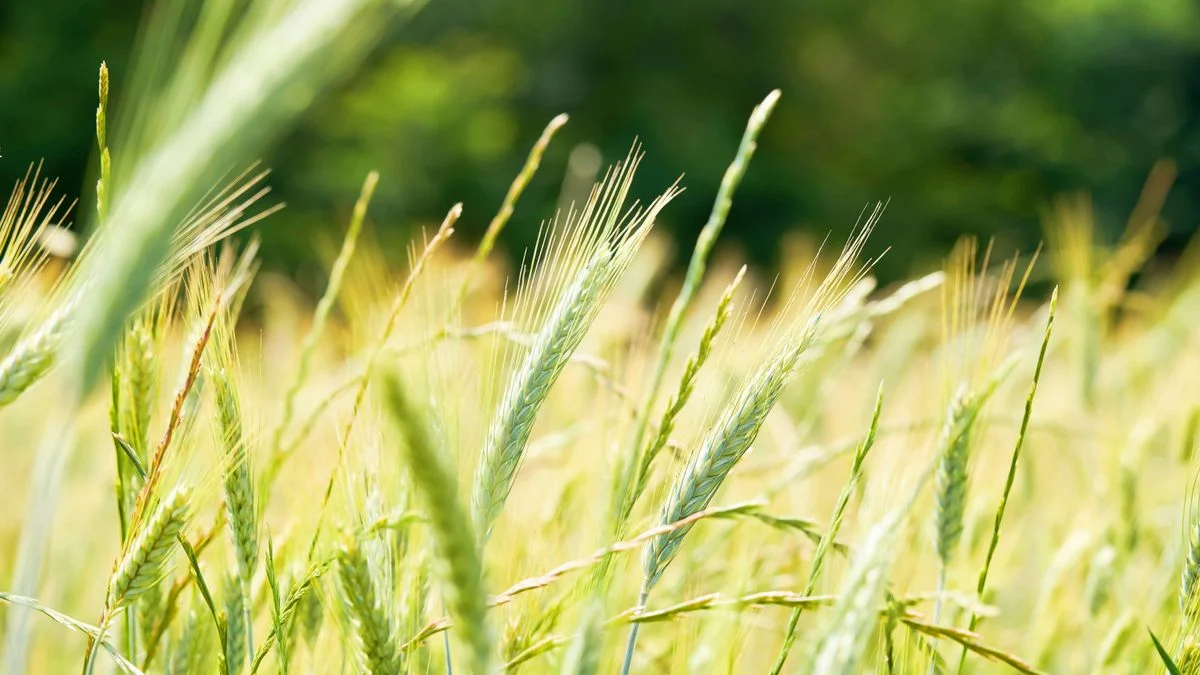
Proponents argue that this distinction is essential for innovation. They claim that CRISPR-Cas9 and other precision breeding tools allow for the development of crops that are drought-resistant, require fewer pesticides, and offer improved nutritional profiles—all without the "foreign DNA" associated with traditional transgenic GMOs.
Chronology of a Regulatory Evolution
The path to this proposal was paved by both scientific advancement and legal necessity.
- 2001: The EU adopts the GMO Directive (2001/18/EC), establishing a precautionary principle that effectively halted the cultivation of GMOs in most member states.
- July 2018: The European Court of Justice (ECJ) issues a landmark ruling stating that organisms obtained by new mutagenesis techniques are GMOs and are subject to the obligations of the GMO Directive. This decision creates a legal bottleneck for European ag-tech.
- April 2021: The European Commission publishes a study at the request of the Council, concluding that the existing GMO legislation is "not fit for purpose" for NGTs and that scientific progress has rendered the 2001 regulations outdated.
- July 2023: The Commission officially presents its proposal to ease rules on NGTs, sparking intense debate in the European Parliament and among the 27 member states.
- 2024–2025: Negotiations continue as the EU struggles to balance the interests of the powerful organic farming lobby, environmental NGOs, and a biotech industry desperate to remain competitive on the global stage.
Supporting Data: The Case for Resilience
The agricultural sector is currently facing a "perfect storm." Data from the European Environment Agency indicates that crop yields for staple grains have fluctuated wildly over the last decade due to prolonged droughts in the Mediterranean and erratic rainfall in Northern Europe.
Proponents of the new legislation point to the following data points:
- Reduced Chemical Dependency: Studies suggest that gene-edited rice and wheat varieties could reduce the need for synthetic fungicides by up to 30%, as the plants are engineered with innate disease resistance.
- Economic Competitiveness: The EU currently lags behind the United States, China, and Brazil in patent filings for gene-edited crops. Industry analysts estimate that the current regulatory hurdle costs small-to-medium enterprises (SMEs) upwards of €10 million per product, a barrier that effectively kills local innovation before it reaches the field.
- Climate Adaptation: Climate modeling suggests that by 2050, traditional breeding methods—which take 10 to 15 years—will be too slow to adapt to the rapidly shifting climate zones. Precision breeding could potentially cut that timeline in half.
Official Responses: A House Divided
The political landscape is deeply polarized.
The European Commission and Industry Groups argue that the current rules are "science-denying." They emphasize that NGTs are not the "Frankenfoods" of the 1990s. They point to the precision of CRISPR, which allows for changes identical to those that occur through natural evolution or traditional cross-breeding, arguing that forcing these products through a 20-year-old regulatory filter is irrational.
Environmental NGOs and Organic Associations, such as IFOAM Organics Europe, remain fiercely opposed. Their primary concern is "coexistence." They argue that if Category 1 NGTs are not labeled, the organic sector—which prohibits GMOs—will lose its integrity. They fear "genetic contamination" where pollen from NGT fields drifts into organic farms, potentially stripping organic farmers of their certifications and market premiums.
Member State Ministers are split along regional lines. The "Nordic Bloc," often led by countries like Sweden and Denmark, tends to support the deregulation to boost agricultural innovation. Conversely, countries with strong anti-GMO traditions, such as Austria, France, and Italy, remain cautious, citing public skepticism and the need for absolute transparency.
Implications: The Future of the Supermarket Shelf
The implications of this legislation extend far beyond the laboratory. If the proposal passes in its current form, European consumers may soon be buying products that have been genetically altered without a mandatory label on the packaging.
The Transparency Deficit
For the average shopper, the "labeling debate" is the most tangible issue. If Category 1 NGTs are treated as conventional, the European consumer’s "right to know" is effectively curtailed. This creates a trust gap. European food culture is built on the foundation of provenance and quality; if the public perceives that the legislative process has bypassed their preferences to appease corporate interests, the backlash could be significant.
Biodiversity and Corporate Control
Another implication is the concentration of power. Critics argue that even if NGTs are "precise," they are also heavily patented. There is a genuine fear that a handful of global seed giants will gain a stranglehold on the European food supply, forcing farmers to buy patented seeds every year rather than saving seeds as has been done for centuries. This would shift the power dynamic away from independent farmers toward a biotech oligopoly.
The Sustainability Paradox
The paradox at the heart of the legislation is that the same technology intended to "save" the environment by reducing pesticide use could also inadvertently threaten biodiversity. If gene-edited crops enable the continued use of industrial monoculture, critics argue we are merely masking the symptoms of a broken agricultural system rather than fixing the underlying issues of soil health and crop rotation.
Conclusion: Balancing Innovation and Precaution
The debate over NGTs is the defining agricultural conflict of our time. It forces the European Union to confront a difficult question: Is it possible to embrace the technological tools necessary to survive the climate crisis without compromising the values of food safety, consumer transparency, and agricultural sovereignty?
As the legislative process grinds forward, the compromise will likely lie in a robust tracking system. If the EU can guarantee that the organic supply chain remains secure while allowing farmers to utilize precision tools that reduce chemical inputs, it may find a path forward. However, if the legislation is seen as a "deregulation by stealth," the trust of the European public may be permanently damaged.
The supermarket of the future will be a product of this legislative battle. Whether those shelves contain foods bred through traditional wisdom or modern genetic intervention, the final decision rests on whether policymakers can build a framework that is as scientifically sound as it is socially responsible. For now, the debate remains as complex and layered as the DNA sequences at its center.