Introduction: A Century-Spanning Icon
"Ten thousand thundering typhoons!"
For generations of readers, these words—the trademark outburst of the temperamental Captain Haddock—have served as an instantly recognizable cultural touchstone. They are the hallmark of the Adventures of Tintin, a comic book phenomenon that has transcended its humble beginnings in the pages of Belgian periodicals to become a global literary titan.
On September 26, 1946, the world witnessed the publication of the first independent magazine dedicated to the intrepid young reporter Tintin and his loyal fox terrier, Snowy. While the characters existed in serialized form prior to the Second World War, it was the post-war era that solidified their status as icons of the 20th century. Eighty years later, the legacy of their creator, Georges Remi—known to the world as Hergé—remains as vibrant and complex as ever, bridging the gap between historical controversy and artistic immortality.
Chronology: From Newspaper Strips to Global Phenomenon
The evolution of Tintin is a masterclass in the growth of the medium of graphic storytelling. Hergé, a visionary artist, began his journey in the late 1920s. However, the true "Tintin era" is often categorized into three distinct phases:
- The Formative Years (1929–1939): Tintin first appeared in Le Petit Vingtième. These early stories were experimental, often reflecting the colonialist and Eurocentric views prevalent in the Belgian society of the era.
- The Breakthrough (1946): The launch of the Tintin magazine on September 26, 1946, marked a turning point. It transformed the series from a casual newspaper comic into a professional, high-quality publication, introducing color printing and sophisticated narrative arcs that defined the series for decades to come.
- The Golden Age (1950s–1983): With the establishment of Studios Hergé, the level of detail, historical accuracy, and character development reached a pinnacle. It was during this time that characters like Professor Calculus and the reformed Captain Haddock became household names.
Supporting Data: The Scale of a Publishing Empire
The statistics behind The Adventures of Tintin are staggering. What began as a local Belgian endeavor has exploded into a multinational publishing juggernaut.
- Global Reach: The series has been translated into over 80 languages and more than 30 regional dialects.
- Total Sales: The current estimated global circulation sits at approximately 230 million copies. Industry experts and the official Tintin platform project that, given the sustained interest from new generations, the total will likely approach 300 million copies in the near future.
- Artistic Precision: The series is celebrated for the "Ligne Claire" (Clear Line) style, an aesthetic characterized by strong, continuous lines and bold colors, which Hergé pioneered and perfected.
- Economic Impact: Beyond the books, the brand encompasses merchandise, feature films, and the Hergé Museum in Louvain-la-Neuve, cementing its status as a pillar of European cultural export.
The Shadow of History: From Collaboration to Icon
To discuss the legacy of Hergé is to confront a difficult history. During the Nazi occupation of Belgium, Hergé continued to work for the newspaper Le Soir, which had been seized by the German occupiers. His work during this period—though often devoid of overt political content—served as a "clean" distraction for a population living under the boot of occupation, while thousands of Belgians were being deported or forced into labor.
Following the liberation, Hergé faced professional ostracism and accusations of collaboration. His transition from a controversial figure of the occupation to the architect of an "unburdened" youth culture is one of the most remarkable rehabilitation stories in literary history.
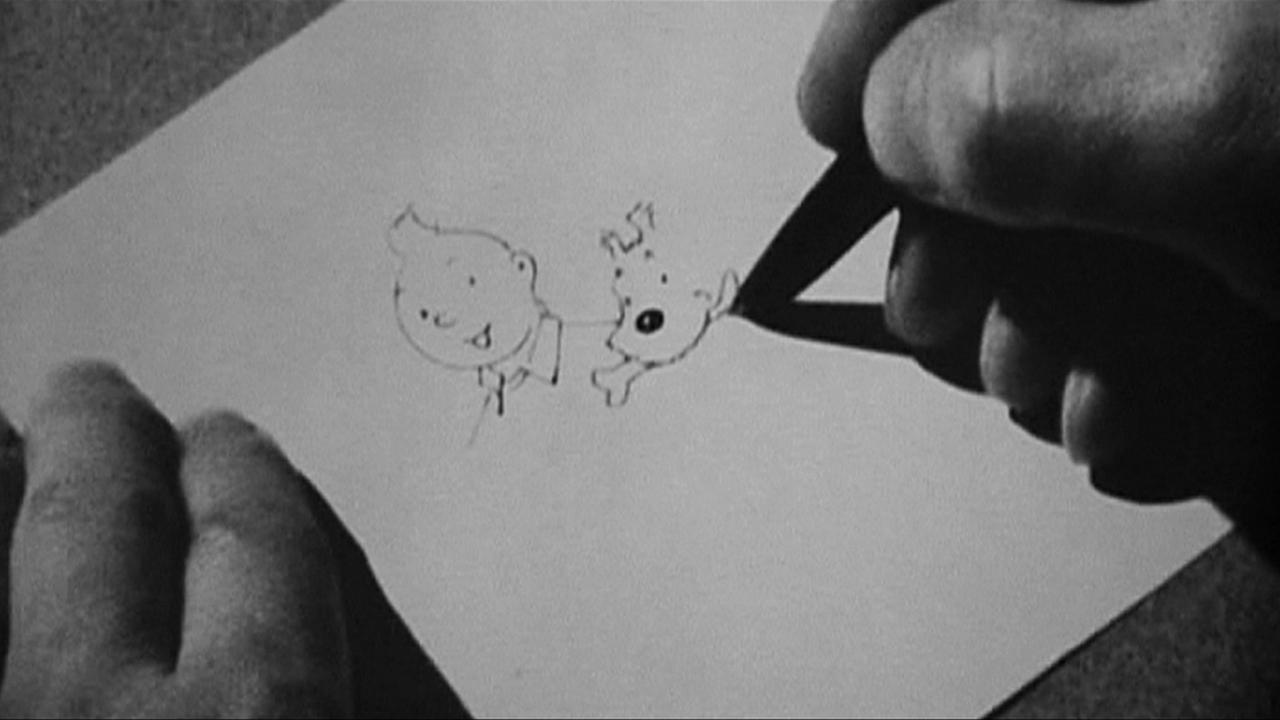
By the late 1940s, Tintin had become the antithesis of the war-torn past. As Hergé noted in interviews later in his life, "Every child wants to be like Tintin. Children can totally identify with him. That is, I believe, one of the most important reasons for his success." By focusing on themes of adventure, friendship, and the victory of good over evil, Hergé managed to pivot his craft toward a universal moral framework that resonated with a generation eager to move past the trauma of war.
Official Responses and the "No-Sequel" Clause
Perhaps the most unique aspect of the Tintin legacy is the strict control maintained over the character’s future. Hergé, who passed away in 1983, left behind a testamentary decree that remains a subject of intense debate among publishing houses and scholars alike: no one is permitted to continue the series.
Hergé was acutely aware of the talent surrounding him. He employed a team of skilled artists at Studios Hergé who, by his own admission, were often technically more proficient than he was. Yet, in a French television interview shortly before his death, he explained his rationale for the prohibition:
"I have excellent collaborators who do great things—better than I could do myself. But I believe that, at its core, it is something entirely personal. Tintin is actually me. Captain Haddock, that is me. And so, I think it is better this way."
This refusal to "outsource" Tintin has turned the character into a finite artistic entity. Unlike other comic franchises, such as Batman or Spider-Man, which are constantly reinvented by new writers and artists, Tintin remains frozen in the specific vision of his creator. This exclusivity has only served to increase the value and the reverence with which the original albums are held.
Implications: The Legacy in the 21st Century
As we mark the 80th anniversary of the independent magazine’s launch, the implications for the future of the medium are clear.
1. Cultural Preservation vs. Modern Sensitivity
Critics in the 21st century have raised valid questions regarding some of the early, more stereotypical depictions of foreign cultures in the books. The publishers have responded by providing historical context and, in some cases, re-evaluating the presentation of specific volumes. This demonstrates the "living" nature of the work—it is no longer just a comic book, but a historical artifact that requires nuanced stewardship.
2. The Power of "Ligne Claire"
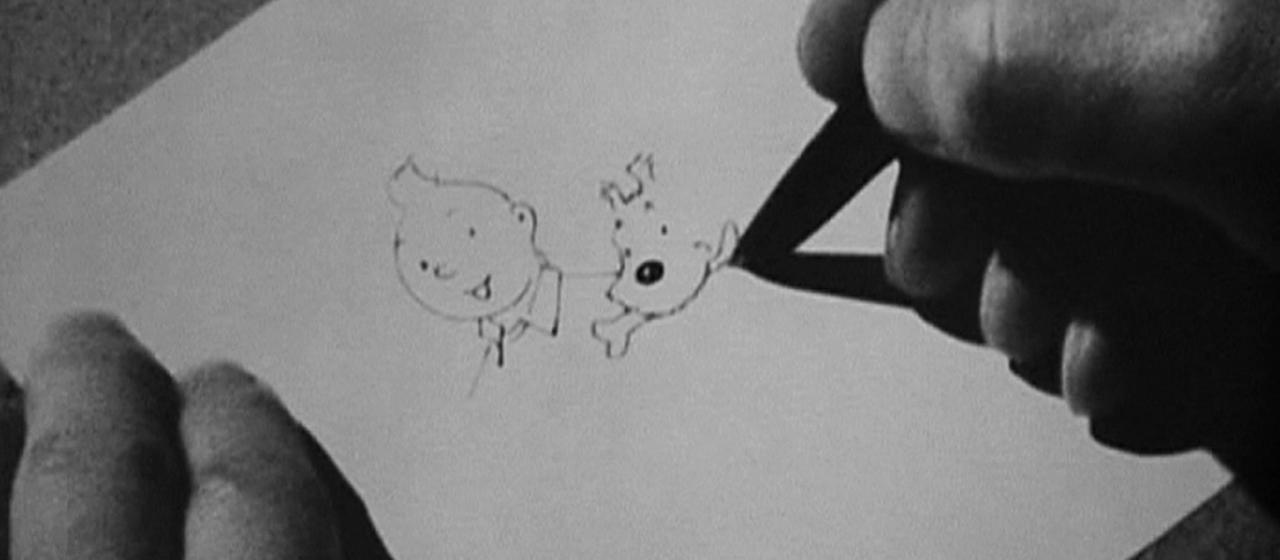
The stylistic influence of Hergé continues to dominate the European comic scene. The "Clear Line" style is taught in art schools globally, and its simplicity remains a benchmark for narrative clarity. The fact that the books continue to sell millions of copies annually proves that the "Tintin formula"—a mix of mystery, slapstick comedy, and high-stakes adventure—remains as potent today as it was in 1946.
3. The Ethical Dilemma of the Author
Hergé’s life serves as a cautionary and instructive tale about the separation of the artist from the art. While his wartime choices remain a stain on his reputation, the character he created, Tintin, has effectively outgrown his creator. For millions of readers, Tintin represents integrity, curiosity, and courage—values that have become disconnected from the personal failings of the man who held the pen.
Conclusion: An Immortal Adventurer
The Adventures of Tintin have survived 80 years because they tap into a fundamental human desire for discovery. Whether it is the snowy landscapes of the Arctic, the ancient mysteries of the Andes, or the moon itself, Tintin has taken his readers on a journey that never seems to age.
As we look toward the potential milestone of 300 million copies sold, the legacy of Hergé is defined not just by the ink on the page, but by the indelible mark he left on the collective imagination of the world. Tintin remains the eternal reporter—always ready to pick up his notebook, always accompanied by his faithful Snowy, and always, in his own way, reminding us that there is a world of adventure waiting just beyond the horizon.
As Hergé himself once put it, the characters are the different facets of his own personality—the brave, the impulsive, and the curious. In that sense, Tintin never truly died; he simply stepped out of the panels and into the history books, where he will likely remain for the next 80 years and beyond.