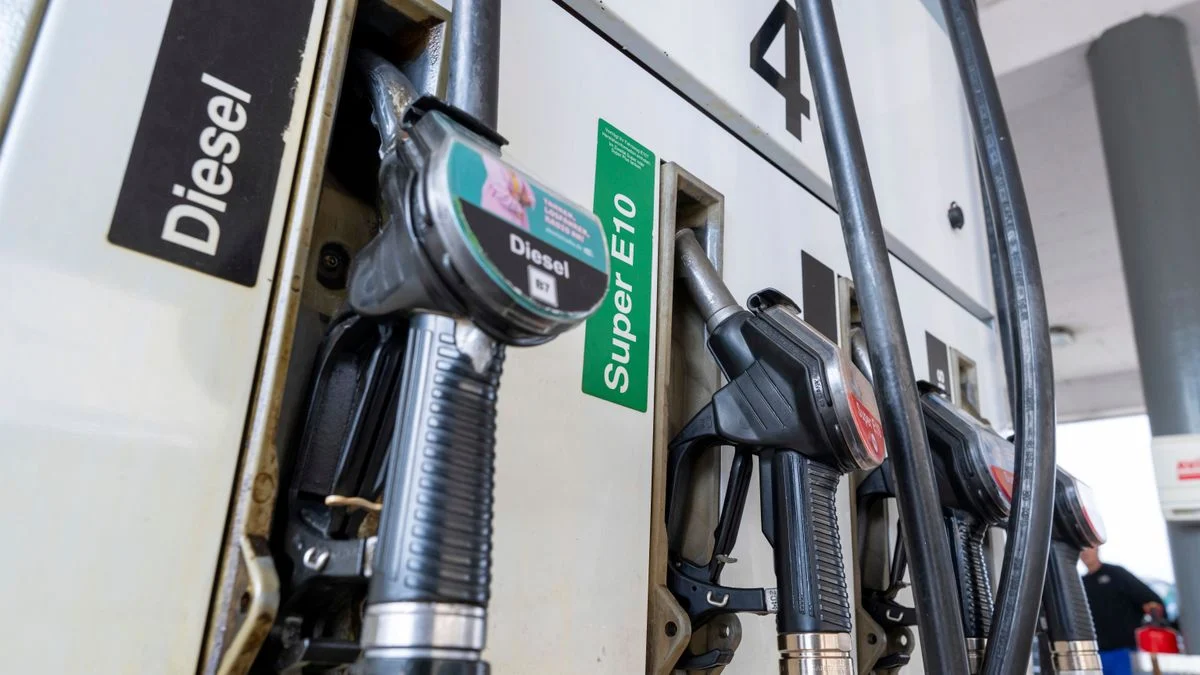
As the expiration date for Germany’s temporary fuel tax relief approaches at the end of June, the governing coalition is facing mounting pressure to determine the next steps in its inflation-fighting strategy. With global energy markets remaining volatile due to the ongoing geopolitical conflict in the Middle East, high costs for petrol and diesel continue to burden both households and the broader economy.
While the "Tankrabatt" (fuel rebate) was designed as a finite, short-term measure, senior SPD officials are already signaling that the government may be forced to pivot toward further interventions. The debate has ignited a sharp divide between those advocating for fiscal restraint and those who fear that removing support prematurely will leave consumers vulnerable to price-gouging by energy conglomerates.
The Core Conflict: A Policy in Transition
The current fuel tax reduction, which lowered the cost of petrol by approximately 17 cents per liter, was implemented on May 1st. From its inception, the measure was intended to provide a two-month cushion against the inflationary shock caused by rising crude oil prices. As June draws to a close, the question of whether to extend this relief or let it lapse has become a flashpoint in German domestic politics.
SPD leadership, represented by figures such as Bärbel Bas, has adopted a cautious stance. In recent statements, Bas emphasized that while the rebate was strictly scheduled for two months, the government cannot ignore the persistent economic reality. "We are monitoring the situation closely," she stated during an appearance on the ZDF Morgenmagazin. "If the burden on citizens becomes too great, we will certainly have to discuss further decisions."
This sentiment reflects a growing anxiety within the Social Democratic Party that the expiration of the rebate could coincide with a renewed spike in pump prices, potentially undermining the government’s efforts to maintain social stability during a period of economic uncertainty.
Chronology of the Fuel Rebate Measures
To understand the current impasse, one must look back at the rollout of the government’s energy relief packages:
- Spring 2022: As oil prices surged to record highs following international market instability, the German government announced a comprehensive relief package to combat the rising cost of living.
- May 1, 2022: The fuel tax reduction officially takes effect. The policy, a cornerstone of the relief effort, is explicitly branded as a temporary measure lasting exactly two months.
- June 2022: As the expiration date nears, pressure mounts from federal and state leaders. The debate shifts from the initial effectiveness of the measure to the long-term feasibility of price caps and windfall taxes.
- End of June 2022: The scheduled expiration date. The political discourse is currently centered on whether the government will allow the tax to return to its original level or initiate a transition to alternative relief mechanisms.
The Economic Context: Why Prices Remain High
The primary driver of the high energy costs cited by officials is the ongoing conflict in the Middle East, which has constrained global supply chains and kept crude oil prices elevated. Analysts point out that while the fuel rebate provided a temporary reduction in price, it did not address the fundamental issue of market supply or the pricing power of large oil corporations.
Market Dynamics and Corporate Profits
One of the most contentious aspects of the rebate program is the claim that consumers did not see the full benefit of the 17-cent reduction. Critics argue that in a market with limited competition, mineral oil companies often adjust their base prices to absorb the tax cut, effectively capturing the subsidy for themselves rather than passing the savings to the motorist.
This concern has been a central theme for Manuela Schwesig, the Minister-President of Mecklenburg-Vorpommern. She has been a vocal critic of allowing the rebate to expire without structural guardrails. According to Schwesig, the government should have implemented a "windfall tax" (Übergewinnsteuer) and a mandatory price cap alongside the rebate to prevent corporations from capitalizing on the market instability.
Official Responses: A Divided Coalition
The response to the potential expiration of the fuel rebate reveals the underlying friction within the German political landscape.
The Argument for Fiscal Responsibility
Representing a more conservative view, Sepp Müller, Deputy Chairman of the Union (CDU/CSU) parliamentary group, has argued against an extension. Speaking to the Bild newspaper, Müller acknowledged that the measure had achieved its intended purpose of providing a temporary buffer. However, he maintained that a further extension would be fiscally irresponsible. From this perspective, the German budget cannot sustain long-term subsidies for fossil fuels, particularly when those funds could be redirected toward long-term energy transition projects or targeted social welfare for the most vulnerable.
The SPD’s Call for Flexibility
In contrast, the SPD leadership is prioritizing a "do no harm" approach. By suggesting that the government remains open to new, alternative measures, they are attempting to signal to the electorate that the state will not abandon them to the mercy of volatile markets. This is particularly important for regional leaders like Schwesig, who face upcoming electoral challenges.
Implications: The Political Stakes
The debate over the fuel rebate is not merely an economic dispute; it is a battle for public trust. For a government coalition attempting to manage an energy crisis while transitioning the country toward renewable sources, the perception of "doing enough" is critical.
The Electoral Dimension
With the state election in Mecklenburg-Vorpommern looming on September 20, the rhetoric coming from Schwerin is heavily influenced by local concerns. For voters, the cost of fuel is a highly visible, daily reminder of inflation. A failure to prevent a sudden price jump at the pump could be politically disastrous for the incumbent party.
Future Policy Alternatives
If the government chooses not to extend the current rebate, they are likely to face calls for:
- Targeted Financial Aid: Providing direct payments to low-income households to offset energy costs, rather than broad-based tax cuts that benefit all drivers equally.
- Structural Market Reform: Strengthening the Federal Cartel Office (Bundeskartellamt) to better monitor and investigate potential price-gouging by energy companies.
- Public Transport Incentives: Continuing the push for affordable, nation-wide public transport tickets (such as the "9-Euro-Ticket" initiative) as a way to reduce dependency on private vehicles.
Conclusion: A Delicate Balance
As June concludes, the German government finds itself in a precarious position. The initial fuel rebate was a successful firefighting tactic, but it was never intended to be a permanent structural solution. The challenge now is to transition away from this subsidy without triggering a socio-economic shock.
The warnings from figures like Manuela Schwesig highlight the danger of a "policy cliff," where the sudden removal of support leads to immediate price hikes. Conversely, the warnings from fiscal conservatives highlight the danger of a "subsidy trap," where the government becomes indefinitely committed to cushioning the market from the reality of global supply constraints.
Moving forward, the coalition must decide whether the "monitoring" phase described by Bärbel Bas will result in a continuation of old policies or the birth of a more sophisticated, targeted approach to energy affordability. Regardless of the outcome, the events of late June will serve as a definitive test of the government’s ability to navigate the complex intersection of global energy politics and domestic electoral needs.