The German pharmaceutical industry, long considered a crown jewel of the nation’s export-oriented economy, is currently navigating its most precarious period in recent memory. Facing a confluence of aggressive protectionist policies from the United States and stringent domestic fiscal measures, the sector is bracing for a contraction that threatens its status as a global innovation powerhouse. New data from the Association of Research-Based Pharmaceutical Manufacturers (VFA) reveals a somber outlook for the coming year, marked by declining production, shrinking revenue, and a stalling job market.
Main Facts: A Sector Under Pressure
According to the latest forecast from the VFA, the German pharmaceutical industry expects a contraction of 2.2% in production volume and a 1.8% decline in real turnover for the current year. This downward trajectory represents a significant pivot from the optimism that characterized the previous fiscal period.
The industry, which employs approximately 130,000 highly skilled workers across the country, is witnessing a cessation of its previously robust job growth. Projections indicate that employment figures will likely stagnate, ending a long-standing trend of expansion within the sector. The VFA explicitly identifies the ongoing trade friction with the United States—coupled with domestic logistical challenges such as recent low-water levels on key transport arteries—as the primary drivers of this industrial malaise.
Chronology of a Trade Conflict
The current situation is the culmination of several years of heightened geopolitical tension between Berlin and Washington.
2025: The Year of Preemptive Exports
In the early months of 2025, the German pharmaceutical sector experienced a unique, artificial boom. Fearing that President Donald Trump would follow through on his repeated threats to impose draconian tariffs on imported medical products, companies scrambled to move inventory into the United States. This "pre-loading" of shipments led to a surge in export statistics and production figures throughout the year. However, analysts warned at the time that this was merely borrowing growth from the future.
2026: The Correction Phase
As predicted, the current year is defined by a "counter-movement." Having front-loaded their exports to beat potential trade barriers, pharmaceutical firms are now seeing a sharp dip in demand, as US warehouses remain stocked with the inventory shipped in 2025. This, combined with the lingering uncertainty surrounding US trade policy, has created a vacuum in export activity that the domestic market cannot fill.
The Tariff Threat
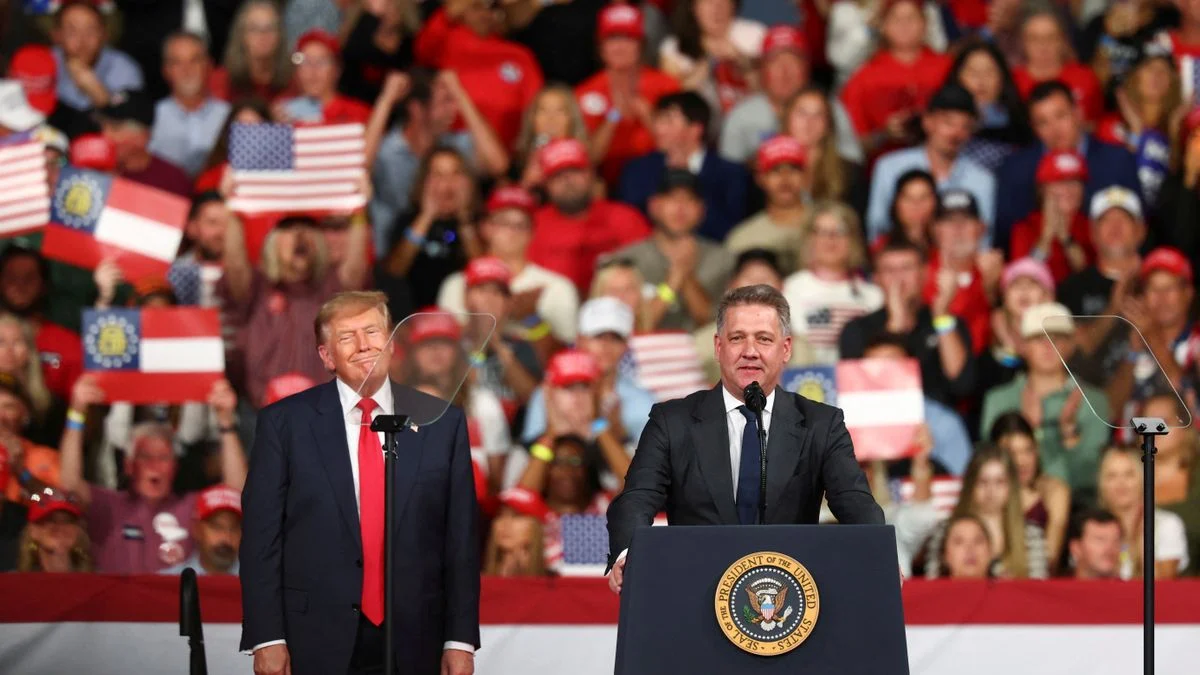
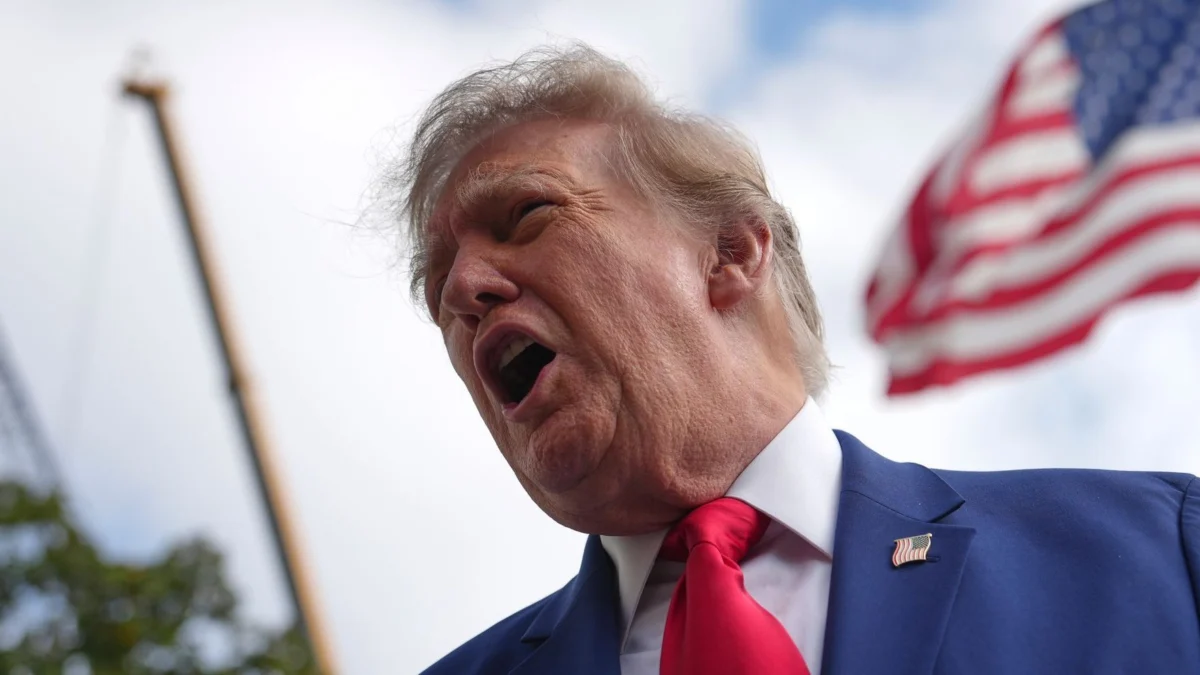
President Trump’s rhetoric, which at times included threats of 100% tariffs on patent-protected medications, has left a permanent scar on the strategic planning of German firms. Although a trade deal between Brussels and Washington eventually established a 15% tariff ceiling for pharmaceutical products, the mere volatility of the threat forced many German companies—including industry giants like Merck based in Darmstadt—to commit to multi-billion dollar investments directly on American soil. This "defensive investment" strategy, while protecting market access, has arguably drained capital that might otherwise have been earmarked for German R&D facilities.
Supporting Data and Economic Implications
The German pharmaceutical market is inextricably linked to the American healthcare system. Roughly one-quarter of all German pharmaceutical exports are destined for the United States, a market where drug prices are significantly higher than in Europe. This price differential makes the US an indispensable source of revenue for companies funding expensive clinical trials and drug development.
However, the cost of doing business is rising. The VFA estimates that beyond trade-related issues, the sector is struggling under the weight of domestic policy decisions. The German government, in an attempt to stabilize health insurance contributions, has mandated that pharmaceutical companies provide significantly higher manufacturer discounts on patent-protected drugs.
The VFA’s economic modeling paints a bleak picture of the long-term impact:
- Investment Attrition: The association predicts that research and investment spending in Germany could be as much as 4 billion euros lower by 2030 than it would have been under previous regulatory conditions.
- Prognosis for 2027: The forecast for the coming years remains cautious, with a projected 1.8% decline in pharmaceutical investments within Germany for 2027 alone.
- Corporate Response: Major players, including the Swiss firm Roche, have openly stated that they are placing future investments in Germany on the "test bench," indicating that the attractiveness of Germany as a manufacturing hub is currently in decline.
Official Responses and Political Friction
The tension between the pharmaceutical industry and the German federal government has reached an impasse. The industry views the increased manufacturer discounts as a "tax on innovation," arguing that by stripping the industry of its capital, the government is inadvertently stifling the next generation of medical breakthroughs.
The Government’s Perspective: A Balancing Act
The German government maintains that it is caught between the need for fiscal responsibility within the public health system and the necessity of keeping the pharmaceutical industry competitive. In an attempt to mitigate the damage, Berlin is currently drafting a "location clause" (Standortklausel). This proposed regulation would offer relief from the mandated discounts to companies that can demonstrate significant investment in domestic production and clinical research. The goal is to create a carrot-and-stick dynamic that encourages companies to keep their high-value operations within German borders.
The Krankenkassen (Health Insurance) Counter-Argument
The perspective from the statutory health insurance funds (GKV) is markedly different. Stefanie Stoff-Ahnis, deputy chair of the GKV-Spitzenverband, recently dismissed the industry’s narrative of hardship.
"The pharmaceutical industry is earning spectacularly well in Germany," Stoff-Ahnis stated in a recent interview, "and that is set to continue even under the current legislation." The health insurance funds argue that the industry’s profitability remains high and that the mandated discounts are a necessary corrective measure to prevent the skyrocketing costs of patent-protected medicines from bankrupting the public health system.
Broader Implications: A Future in Transition
The situation facing the German pharmaceutical industry is a microcosm of the challenges facing Europe’s industrial base at large. Caught between the "America First" protectionism of the US and the fiscal austerity required to manage an aging society, German firms are finding that their traditional business models are under siege.
1. The Shift Toward "Local for Local"
As geopolitical instability persists, the era of globalized production for medical supplies is undergoing a metamorphosis. Companies are increasingly forced to decentralize their manufacturing. By moving production to the US, German firms are effectively shielding themselves from tariff volatility, but they are also fragmenting their supply chains and reducing the economic impact of their operations in their home country.
2. The Innovation Gap
If the VFA’s projections regarding the 4 billion euro reduction in R&D spending prove accurate, the consequences for the German economy will be felt long after the current trade disputes are resolved. Innovation is the primary engine of the German pharmaceutical sector; a slowdown in investment today will inevitably lead to a weaker competitive position in the global market five to ten years from now.
3. Policy Reform as a Necessity
The upcoming legislative debate over the "location clause" will be a bellwether for the future of the industry in Germany. If the government fails to craft a policy that effectively incentivizes investment, the sector may continue its slow-motion exodus. Conversely, if the policy is too generous to the industry, it risks triggering a backlash from a public already concerned about rising health insurance costs.
In conclusion, the German pharmaceutical industry stands at a critical juncture. The combination of external pressures from Washington and internal fiscal demands from Berlin has created a landscape of uncertainty. For a sector that relies on long-term stability to fund its massive, decade-long drug development cycles, this current volatility is not just an inconvenience—it is a fundamental threat to its future viability. Whether the industry can adapt through the proposed location-based incentives, or whether it will be forced to continue its retreat from the domestic market, remains the central question for German policymakers and business leaders alike.