The landscape of German rental law is currently undergoing a significant shift as landlords across the country move to modernize their properties. Central to this transition is the installation of remote-reading heat and water meters—technological advancements designed to streamline utility billing and improve energy efficiency. However, these "smart" devices have ignited a heated debate regarding data privacy, tenant autonomy, and the legal thresholds for mandatory installation.
As the digital transformation of the housing sector accelerates, tenants are increasingly questioning: When is a landlord permitted to force the installation of remote-reading devices, and under what circumstances can a tenant legally object to the collection of their consumption data?
The Core Conflict: Efficiency vs. Privacy
At the heart of the dispute is the "Heating Costs Ordinance" (Heizkostenverordnung), which was updated to reflect European Union energy efficiency directives. The goal of these regulations is to provide tenants with more frequent feedback on their consumption, theoretically encouraging energy savings. Remote-reading devices allow for billing without the need for a technician to enter the apartment, a convenience for many, but a point of contention for those concerned about constant digital surveillance.
Chronology of the Regulatory Shift
- December 2021: The German government amended the Heating Costs Ordinance to implement the EU’s Energy Efficiency Directive.
- January 2022: New regulations came into force requiring all newly installed heat and water meters to be "remote-readable."
- December 2022: The transition period for ensuring that all existing devices in rental properties are capable of being integrated into a remote-reading system was initiated.
- January 2027: The absolute deadline for replacing or upgrading all non-remote-readable equipment with devices that allow for frequent, remote data collection.
The Legal Framework: What Can Landlords Demand?
Landlords have a vested interest in modernization, often citing the obligation to comply with federal energy standards. From a legal perspective, the installation of modern metering equipment is generally considered a "modernization measure." Under the German Civil Code (BGB), tenants are typically required to tolerate such measures, provided they lead to permanent energy or water savings or a sustainable improvement in the housing conditions.
However, the legal situation becomes nuanced when the tenant raises a legitimate objection based on data protection concerns. While the General Data Protection Regulation (GDPR) governs how data is processed, it does not necessarily grant a blanket "right to opt-out" of utility metering. Because the measurement of consumption is a prerequisite for the legal distribution of utility costs, tenants cannot simply refuse to be billed based on consumption.
The Role of "Smart" Metering
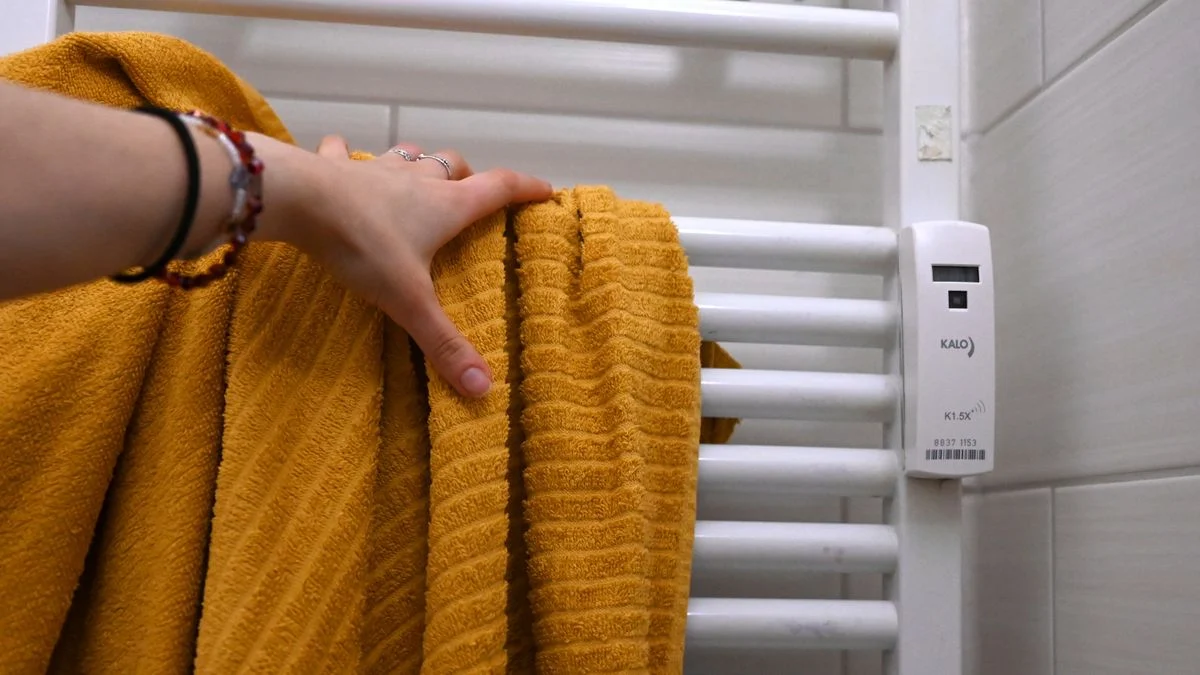
Remote-reading devices transmit data via radio signals. Tenants often fear that this creates a profile of their daily habits. If a landlord or a service provider knows exactly when a tenant is using hot water or heating their living room, they can, in theory, deduce when the property is occupied or empty.
Data Privacy and the Right to Objection
Despite the mandate for modernization, legal experts note that there are specific corridors where tenants can exert influence.
H3: The Threshold for "Unreasonable Hardship"
Under Section 555b of the German Civil Code, tenants can object to modernization measures if they result in "unreasonable hardship." For a tenant to successfully block the installation of a smart meter, they must demonstrate that the interference with their personal rights or the specific technical implementation poses a burden that outweighs the societal interest in energy efficiency.
In practice, this is a high bar. Courts have historically been hesitant to categorize the mere presence of a radio-controlled meter as an infringement on privacy, provided the data transmission is encrypted and limited to consumption values rather than personal behavioral tracking.
H3: Technical Safeguards
Tenants who are concerned about privacy are increasingly demanding transparency regarding:
- Encryption Standards: Ensuring that the radio signals cannot be intercepted by third parties.
- Frequency of Transmission: Demanding that data is only transmitted during the necessary billing cycles rather than in real-time.
- Data Minimization: Ensuring that the service provider only processes the data strictly necessary for the billing process, in accordance with GDPR principles.
Supporting Data: The Impact on Energy Consumption
Proponents of the digital shift argue that the data speaks for itself. Studies conducted by the German Energy Agency (dena) suggest that tenants who receive monthly consumption information via digital dashboards or apps reduce their energy usage by an average of 5% to 8%.
For the average household, this represents a significant reduction in both carbon footprint and utility costs. However, the initial capital expenditure for landlords is substantial. The cost of upgrading a typical multi-unit apartment building with smart meters can range from several thousand to tens of thousands of euros, costs that are often passed on to tenants through modernized rent structures or utility service charges.
Official Responses and Judicial Precedent
The Federal Court of Justice (BGH) has yet to provide a definitive, all-encompassing ruling that would settle the conflict between privacy rights and the mandatory installation of smart meters. However, lower regional courts have shown a consistent trend: they tend to favor the landlord’s duty to modernize.
A representative statement from the German Tenants’ Association (Deutscher Mieterbund) highlights the delicate balance: "We do not oppose the energy transition, but we must ensure that the digital meter does not become a tool for monitoring the private lives of tenants. Privacy by design must be the standard, not an optional feature."
Implications for the Future of Housing
As we approach the 2027 deadline, the implications for the rental market are profound.
1. The Rise of Property Management Tech
The traditional model of the "meter reader" entering the home is becoming obsolete. This shift is forcing property management firms to invest in robust digital infrastructure, creating new opportunities for IT service providers but also increasing the vulnerability of buildings to cyberattacks.
2. The Potential for "Green" Disputes
We are likely to see a surge in legal disputes where tenants challenge the cost allocation of these new systems. If a landlord installs an unnecessarily expensive or complex system, the tenant may have grounds to dispute the resulting utility bills under the principle of cost-efficiency.
3. Increased Transparency vs. Increased Complexity
While the new meters offer more transparency, they also increase the complexity of utility bills. Tenants will need to become more "digitally literate" to understand their monthly energy reports. For the elderly or those less comfortable with technology, this could lead to a sense of alienation from their own living environment.
Conclusion: A Balancing Act
The transition to remote-reading meters is an inevitable component of Germany’s climate policy. While the law clearly favors the modernization of residential buildings, the individual tenant’s right to privacy remains a protected interest.
Tenants who feel their privacy is being compromised should not merely refuse access—a move that could lead to legal repercussions or forced access orders. Instead, the recommended path is to demand technical documentation from the landlord regarding data security and to ensure that the utility provider complies with the strict data protection requirements of the GDPR.
As the digital meter becomes as common as the light switch, the legal discourse will likely shift from "if" these devices can be installed to "how" they are governed. The future of tenancy in Germany will be defined by how well the industry can harmonize the urgent need for energy conservation with the fundamental human right to privacy within one’s own four walls.
Disclaimer: This article provides a general overview of the legal landscape in Germany. It does not constitute legal advice. Tenants concerned about specific installations in their homes are advised to consult with a local tenants’ association (Mieterverein) or a qualified attorney specializing in tenancy law.