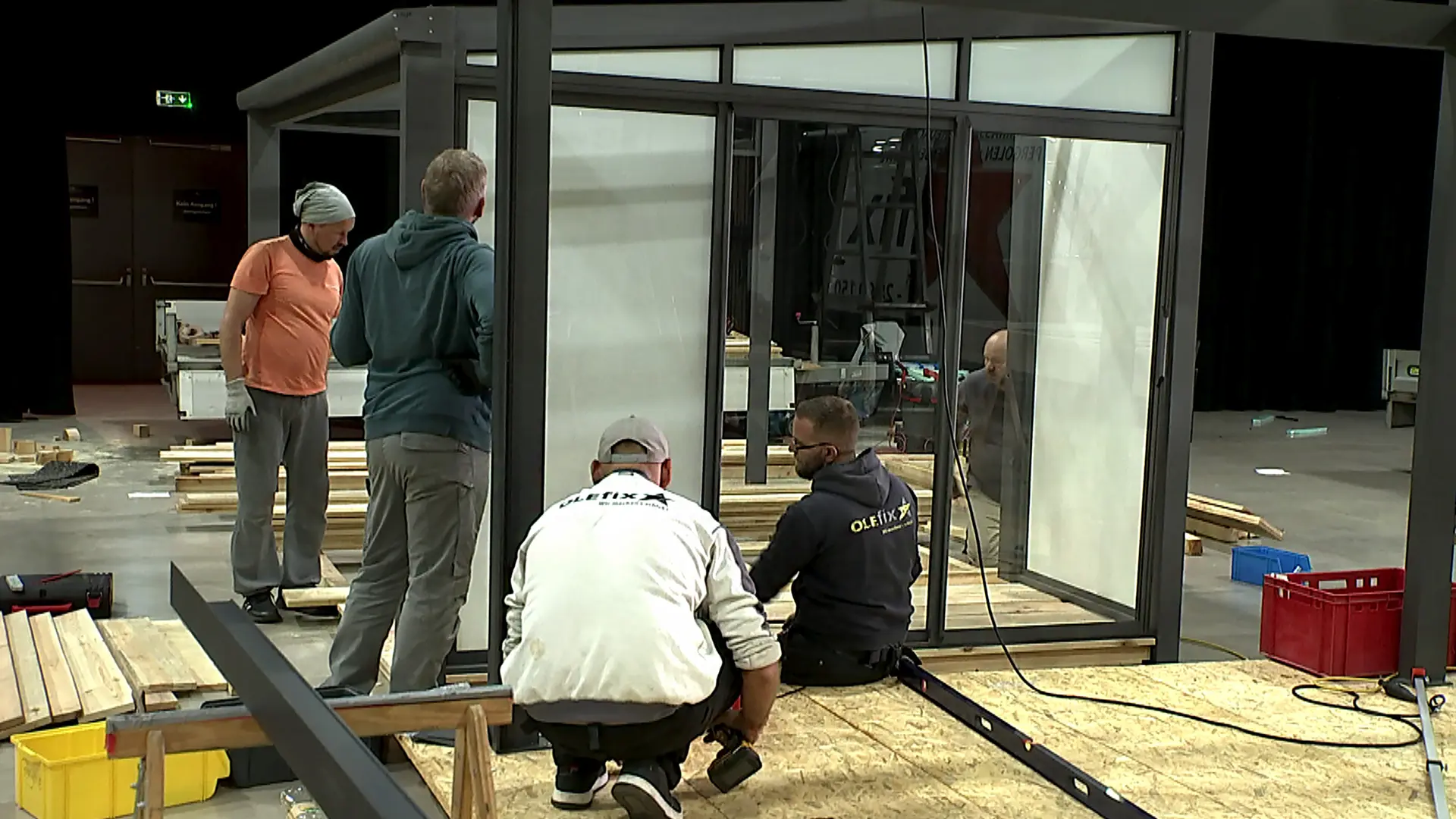
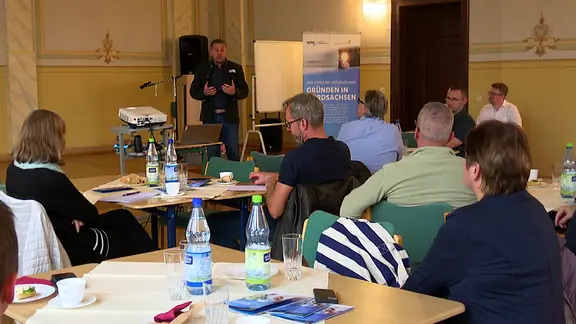
The construction sector in Saxony, long considered a bedrock of the regional economy, is currently facing a profound and multi-faceted crisis. What was once a landscape defined by the steady growth of residential housing and robust infrastructure projects has shifted into an environment characterized by dwindling order books, ballooning costs, and widespread uncertainty. As industry professionals gathered at the recent construction trade fair in Chemnitz, the atmosphere was a sobering contrast to the optimism of previous years. Conversations among exhibitors and prospective homeowners alike centered on a single, pressing question: Is the dream of independent home ownership becoming an unattainable luxury in modern-day Saxony?
The Anatomy of the Crisis: Main Facts and Drivers
The current malaise in the Saxon construction market is not an isolated phenomenon but rather the result of a "perfect storm" of macroeconomic pressures. The primary driver is the dramatic escalation in material and labor costs. Following the global supply chain disruptions of the past few years, the price of raw materials—ranging from timber and steel to specialized insulation—has remained persistently high, significantly above pre-pandemic levels.
Simultaneously, the sector is grappling with the high-interest-rate environment set by the European Central Bank. For decades, the German housing market thrived on accessible, low-interest credit. The rapid transition to higher interest rates has effectively cooled demand, making the financing of new builds and the renovation of existing properties prohibitively expensive for many middle-class families.
Beyond finance, the industry is struggling with a chronic shortage of skilled labor. From master bricklayers to specialized electrical engineers, the "Fachkräftemangel" (skilled labor shortage) continues to delay projects and inflate the costs of those that do move forward. Developers are forced to compete for a shrinking pool of talent, pushing wages upward and, by extension, the final price tags of construction projects.
Chronology of a Slow-Motion Decline
To understand the current situation, one must look at the timeline of the last 36 months.
- Late 2021/Early 2022: The construction industry experienced a brief post-pandemic surge as projects that had been put on hold were greenlit. However, this period also marked the beginning of severe supply chain bottlenecks.
- Summer 2022: The conflict in Ukraine triggered an energy crisis, sending electricity and fuel prices—crucial for heavy machinery and transport—to historic highs. Construction companies began reporting record-high input costs.
- Late 2022/Early 2023: The European Central Bank began its aggressive cycle of interest rate hikes. The impact on the housing market was near-instantaneous. Mortgage applications in Saxony plummeted, and prospective buyers began to retreat from the market in record numbers.
- Mid-2023 to Present: We have entered a phase of stagnation. While some large-scale commercial and public infrastructure projects continue, the private residential sector has largely ground to a halt. The recent trade fair in Chemnitz served as a barometer for this sentiment, highlighting that companies are now pivoting from "growth-focused" strategies to "survival-focused" ones.
Supporting Data: The Scale of the Downturn
While anecdotal evidence from the trade fair floor points to a struggle, the statistical data for the region paints an even bleaker picture. According to recent reports from the local chambers of commerce and construction industry associations in Saxony, new order intake for residential housing has fallen by nearly 30% compared to the 2021 benchmark.
Furthermore, the number of building permits issued across major Saxon urban centers—including Leipzig, Dresden, and Chemnitz—shows a consistent downward trend. Analysts point out that the "gap" between building permits and actual project completions is widening, as developers pause projects midway to re-evaluate their financial feasibility.
The cost of construction itself has seen an annual inflation rate hovering between 8% and 12% for materials alone, depending on the sector. When combined with the increased cost of borrowing, the total "cost of entry" for a standard detached family home in the Dresden periphery has risen by an estimated 25% to 35% in less than three years. This has effectively priced out a significant segment of the demographic that would traditionally have been the target audience for such projects.
Official Responses and Strategic Shifts
How is the industry responding to this existential threat? The sentiment among contractors at the Chemnitz exhibition was one of forced adaptation. Many companies are shifting their focus away from new construction and toward renovation, energy-efficient retrofitting, and maintenance—areas where public subsidies are still somewhat available.
Governmental bodies in Saxony have acknowledged the crisis but are caught in a difficult balancing act. There is pressure to provide tax relief for builders and to streamline the notoriously slow bureaucratic processes involved in securing building permits. However, budgetary constraints at both the state and federal levels have limited the scope for direct intervention.
Industry associations have been vocal in their demands. Their primary request is a reduction in the "regulatory burden." They argue that the stringent energy-efficiency standards and building codes, while environmentally necessary, often add layers of cost that become insurmountable in a high-interest environment. Proposals are currently circulating for a temporary relaxation of certain non-critical building standards to stimulate affordable housing construction, though these remain subject to intense debate between environmental regulators and economic developers.
Implications for the Future: What Lies Ahead?
The implications of this crisis are far-reaching and potentially transformative for the Saxon landscape.

1. The Death of the "Classic" Homeownership Model
For many, the dream of building a detached, single-family house is increasingly becoming a relic of the past. The market is likely to see a shift toward smaller living units, modular construction, and an increased emphasis on rental properties managed by professional housing associations.
2. The Infrastructure Gap
While residential construction is struggling, the danger is that this will inevitably lead to a long-term housing shortage. As the population in urban hubs like Leipzig continues to grow, the lack of new supply will likely drive rental prices to levels that may trigger social tension and require state intervention in the form of rent controls or increased social housing investment.

3. Consolidation in the Industry
We are likely to see a period of significant consolidation. Smaller construction firms that lack the capital reserves to weather a multi-year slump may be forced to merge with larger entities or exit the market entirely. This could lead to a less competitive, more centralized construction sector, which, in the long run, may reduce innovation and flexibility.
4. The Green Transition Challenge
Perhaps the most ironic aspect of this crisis is its timing. Saxony, like the rest of Germany, is in the middle of a massive push for decarbonization. Retrofitting existing housing stock to meet modern climate standards is an energy-intensive and expensive task. The current economic climate makes it difficult for homeowners to justify these investments, which could hinder the state’s long-term climate goals.

Conclusion
The mood at the Chemnitz construction fair was not one of despair, but rather of grim pragmatism. Professionals in the industry are acutely aware that the "golden years" of easy money and cheap construction are behind them. The path forward requires a fundamental recalibration—a move toward more efficient, perhaps more modest, building practices and a regulatory environment that prioritizes speed and cost-effectiveness without abandoning sustainability goals.
As Saxony navigates these turbulent waters, the resilience of its construction sector will be tested. Whether the region can maintain its reputation as a place of accessible, high-quality living will depend on its ability to innovate through the current crisis. For now, the foundations of the industry are cracking, and the stakeholders involved—from policymakers to private citizens—must act with clarity and coordination if they hope to secure the future of the state’s built environment. The challenge is immense, but as history has shown, the construction industry in this region has faced periods of radical change before and emerged on the other side. This time, however, the change may be more permanent, marking the end of one era and the uncertain, yet necessary, beginning of another.