The quiet, orderly life of a prominent Chemnitz cardiologist and multimillionaire came to a horrific, premature end two and a half years ago. What initially appeared to be an inexplicable tragedy quickly unraveled into a complex web of deceit, financial motive, and cold-blooded planning. The subsequent investigation and trial captivated the region, culminating in a life sentence for the victim’s wife. As the dust settles on the judicial proceedings, long-time court reporter Gabi Thieme has meticulously documented the anatomy of this crime in a new book, shedding light on the psychological and material forces that drove a seemingly respectable family to such a dark abyss.
The Crime: A Professional Life Extinguished
The victim, a highly respected cardiologist whose medical expertise had touched the lives of countless patients across Saxony, was found dead in his home. To the outside observer, the man possessed everything: professional prestige, significant wealth, and a family life that appeared stable. However, behind the closed doors of their residence, internal tensions were simmering.
The investigation revealed that the murder was not a crime of passion committed in the heat of the moment, but a calculated act. The assailant had meticulously planned the removal of a man who stood in the way of certain personal or financial objectives. When the police arrived at the scene, they were faced with a crime scene that suggested a struggle, yet the deeper forensic analysis pointed toward a betrayal from within the household. The victim had been targeted by someone he trusted implicitly.
A Chronology of Deception
The timeline of the case serves as a chilling reminder of how quickly a life can be dismantled.

- The Months Leading Up to the Act: Investigators pieced together evidence suggesting that the spouse had been grappling with mounting pressure—some of it personal, some rooted in the couple’s complex financial affairs. The perpetrator began laying the groundwork for the crime, securing the means to carry it out while maintaining a facade of normalcy in their public interactions.
- The Night of the Murder: The act itself was carried out with a degree of coldness that shocked investigators. There was no forced entry, as the attacker had unfettered access to the home. The victim, caught off guard in his own sanctuary, had no chance to defend himself against the onslaught.
- The Immediate Aftermath: Following the killing, the perpetrator attempted to obscure the trail. Initial statements provided to the police were riddled with inconsistencies, which began to crumble under the weight of forensic evidence and digital footprints.
- The Arrest and Indictment: Within weeks, the authorities had narrowed their focus. The arrest of the wife sent shockwaves through the medical and social circles of Chemnitz. The charges of murder were supported by a mounting pile of circumstantial and direct evidence, including communication logs and financial records that painted a clear picture of motive.
- The Trial: The courtroom proceedings were a grueling examination of the couple’s marriage. Prosecutors presented a case centered on greed and a desire for liberation from the constraints of their shared life. The defense attempted to paint a picture of a fractured psyche, but the jury remained unmoved by the narrative of diminished capacity.
Supporting Data and Evidence: The Forensic Truth
The conviction rested on a robust foundation of forensic science and digital forensics. In modern criminal investigations, the "silent witnesses"—smartphone data, GPS logs, and deleted messages—often play a more decisive role than eyewitness testimony.
In this case, the analysis of the wife’s digital activity revealed searches and communications that were inconsistent with the behavior of a grieving spouse. Financial records were equally damning; they revealed a desperate need for capital that would have been satisfied by the victim’s estate. The combination of these factors allowed the prosecution to build an insurmountable wall of evidence. The forensic medical examination of the body provided definitive proof of the cause of death, corroborating the timeline constructed by the police.

Official Responses and Judicial Integrity
Throughout the investigation, the Saxony state prosecutors maintained a firm stance, emphasizing that the sanctity of life cannot be compromised by financial or personal grievances. The judge, in handing down the life sentence, highlighted the "treacherous nature" of the crime. Under German law, the classification of the act as "murder" rather than "manslaughter" was crucial, as it necessitated a mandatory life sentence.
The judicial process was widely praised for its transparency and adherence to due process. Despite the high-profile nature of the victim and the dramatic circumstances of the crime, the court remained focused strictly on the facts, ensuring that the verdict was not influenced by the public outcry or the sensationalism that often surrounds such cases.

The Perspective of Gabi Thieme: Behind the Headlines
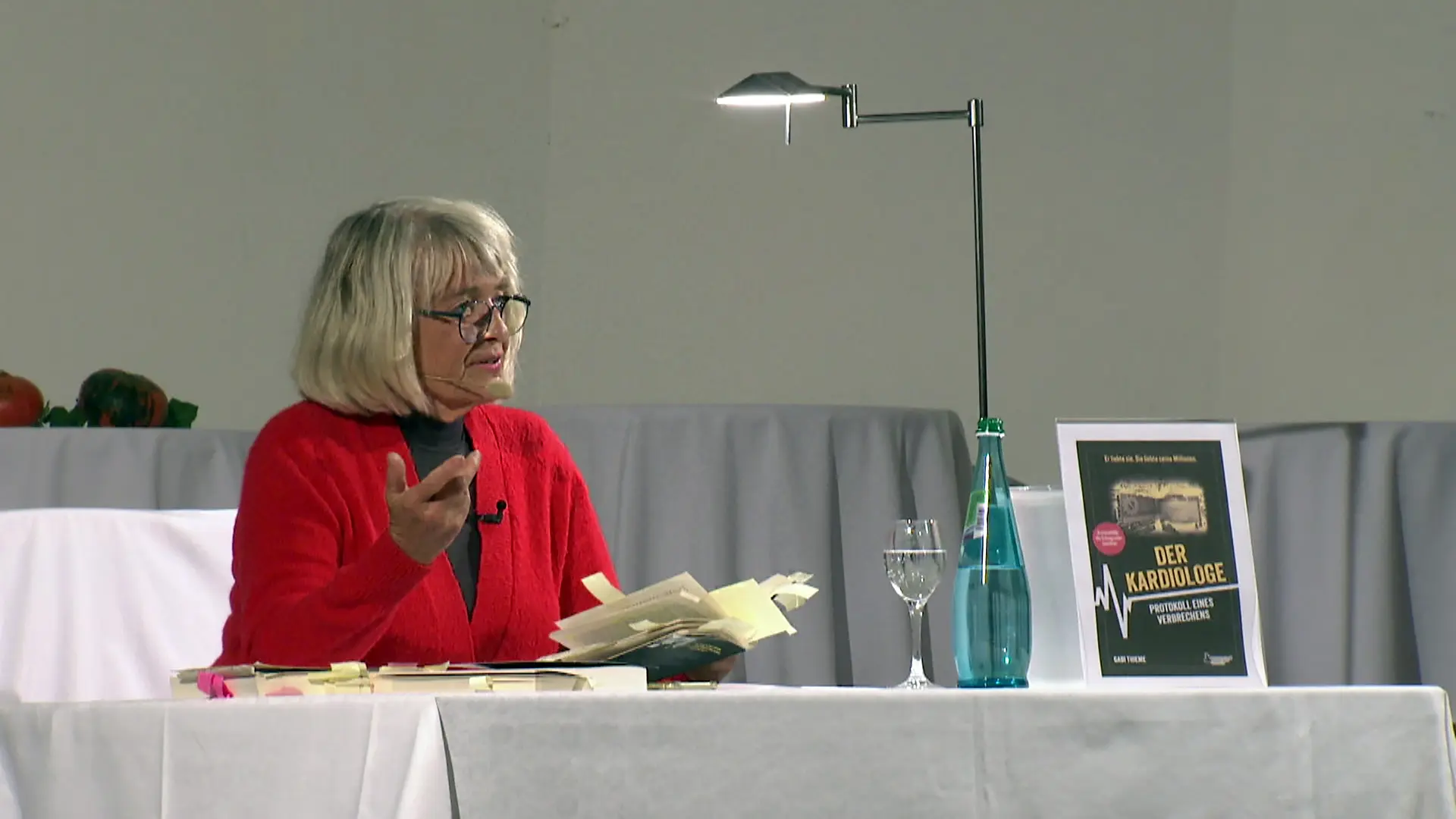
Gabi Thieme, the former court reporter whose work on this case has now culminated in a book, offers a unique vantage point. Having sat through every day of the trial, Thieme observed the subtle shifts in the defendant’s demeanor and the emotional toll on the surviving family members.
Her book is not merely a retelling of the police report; it is an exploration of the "why." In her analysis, Thieme examines the societal pressures that may have contributed to the defendant’s descent into criminality. She argues that the case is a mirror reflecting the hidden fractures in high-status, high-wealth marriages, where the pressure to maintain a perfect image can sometimes lead to catastrophic outcomes.

Implications for the Community
The murder of a prominent Chemnitz cardiologist has left a lasting scar on the local community. Beyond the personal tragedy of the victim’s family, the case has prompted a broader conversation about domestic violence and the dangers of hidden interpersonal conflict.
The Myth of the "Perfect Life"
One of the most significant implications of this case is the destruction of the myth of the "perfect life." In affluent circles, there is often a stigma attached to seeking help for marital distress or financial instability. The Chemnitz case serves as a grim warning that when these problems are allowed to fester in silence, the results can be lethal.

The Role of Media in High-Profile Crime
Thieme’s book also invites a reflection on how the media covers crime. By focusing on the human elements and the procedural details of the justice system, she demonstrates that there is a difference between sensationalism and responsible journalism. Her documentation ensures that the memory of the victim—a man who dedicated his life to healing others—is not entirely overshadowed by the horrific manner of his death.
Legal Precedents
While each case is unique, the swift and decisive handling of this trial reinforces the strength of the German legal system in dealing with domestic homicide. It sends a clear message that social standing and wealth provide no immunity from the consequences of cold-blooded murder. The verdict has set a standard for future cases of a similar nature, confirming that premeditation and malice will be met with the full force of the law.

Conclusion: A Legacy of Reflection
The life and death of the Chemnitz cardiologist remain a subject of somber reflection. As the convicted wife begins her life sentence, the city continues to grapple with the memory of a man who was taken too soon by the person he was meant to trust above all others.
Gabi Thieme’s work acts as a vital bridge between the initial shock of the crime and the eventual healing process for those affected. By documenting the facts with journalistic rigor, she has ensured that the case remains a lesson in the dangers of unchecked resentment and the ultimate triumph of justice. For the community of Chemnitz, the story serves as a reminder to look beyond the surface and to acknowledge the fragility of life, even in the most secure of environments.

The courtroom has closed its doors on this chapter, but the implications—regarding the nature of human betrayal, the necessity of transparency in relationships, and the integrity of the judicial system—will resonate for years to come. The legacy of the victim, preserved through his professional contributions, will hopefully endure longer than the dark circumstances of his final, tragic night.