DÜSSELDORF – Johnny Depp is back, though perhaps not in the way global audiences might have expected three years ago. At Schloss Benrath in Düsseldorf, the embattled Hollywood icon is currently presenting his latest exhibition, "The Art of Johnny Depp." While the venue is a historic palace rather than a traditional art gallery, the atmosphere is electric, filled with fans who have traveled from across Europe, hoping for a glimpse of the actor who has spent the better part of the last decade mired in legal battles and public scrutiny.
This exhibition, which follows stops in Japan and China, represents a deliberate pivot in Depp’s career trajectory. Moving away from the glitz of the red carpet and the heavy machinery of the Hollywood studio system, the actor is simultaneously touring as a musician with the "Hollywood Vampires" and quietly negotiating his potential return to the franchise that made him a global household name: Pirates of the Caribbean.
The Chronology of a Controversial Path
The road to the current exhibition at Schloss Benrath has been anything but linear. To understand the current cultural moment, one must look back at the cascade of events that forced Depp out of the limelight.
- 2016: Amber Heard files for divorce from Depp, alleging domestic abuse. The ensuing media firestorm creates a lasting rift in public opinion.
- 2020: Depp loses a high-profile libel lawsuit in the United Kingdom against the publishers of The Sun, which had labeled him a "wife-beater." The ruling carries heavy professional consequences; Warner Bros. requests his resignation from the Fantastic Beasts franchise.
- 2022: The defamation trial between Depp and Heard in Virginia turns into a digital phenomenon. Livestreamed to millions, the trial becomes a cultural battleground, with social media commentary often blurring the lines between legal proceedings and reality-show entertainment.
- 2023: Depp makes a tentative return to the screen, starring as King Louis XV in the French historical drama Jeanne du Barry, which debuts at Cannes.
- 2026: The current period marks a full-scale diversification strategy, with his art exhibitions, musical tours, and renewed talks for a blockbuster film comeback.
The Intersection of Art and Image
The exhibition in Düsseldorf is more than just a collection of paintings; it is a strategic repositioning. According to curator Ted Bauer, the exhibition is designed to reveal a "private" side of the artist, away from the lens of the paparazzi.
However, the question remains: is this art, or is it image management?
Critics, such as Elke Buhr, editor-in-chief of the art magazine Monopol, suggest that the aesthetic merit of the work is secondary to the identity of the painter. "Johnny Depp is, as a visual artist, unfortunately not very compelling," Buhr notes. "Stylistically, he fluctuates like Captain Jack Sparrow after a bottle of whiskey—borrowing from Warhol one moment, dabbling in expressionism the next."
Yet, for the fans waiting in line at Schloss Benrath, artistic technique is not the primary driver. As attendee Melanie, who traveled hours to be at the opening, noted: "I don’t know him personally. I wasn’t there for the private moments, so I don’t feel I have the right to judge his character based on the media circus. I am here for the man I admire on screen."
The Psychology of Fandom and Reputation
The phenomenon of the "Depp Comeback" is a subject of significant interest for media scholars. Andrea Claudia Hoffmann, a professor of investigative journalism, argues that the support Depp receives is a direct result of deep-seated parasocial relationships.
"When fans invest significant time, attention, and emotion into supporting a prominent figure, a tension arises between their admiration and reports of problematic behavior," Hoffmann explains. "Image repair often fails if it relies solely on the person in question. It frequently succeeds only through the active support and reinterpretation provided by the fan base."
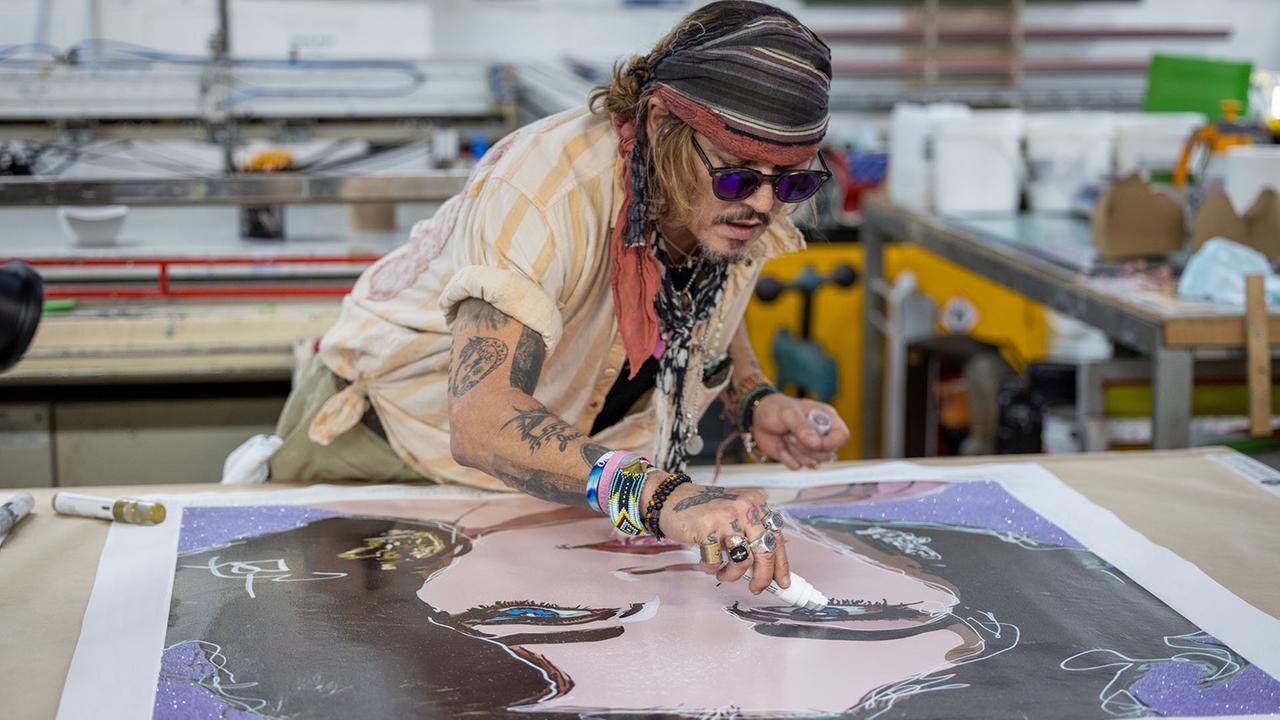
This reinterpretation is aided by the fact that Depp has framed his artistic endeavors—painting, specifically—as "therapeutic." By categorizing acting as a job, music as a passion, and painting as therapy, he creates a narrative of a man seeking refuge from the chaos of his public life. Ingrid Tomkowiak, professor emeritus for Popular Literatures and Media at the University of Zurich, suggests that this makes Depp a "Gesamtkunstwerk" (total work of art). The paintings are framed as a window into the "real" human behind the persona, effectively inviting the audience to sympathize with his internal state.
Official Responses and Industry Shifts
The industry, which was quick to distance itself from Depp in 2020, now appears to be testing the waters for a reconciliation. The most significant indicator of this shift came in August 2026, when legendary producer Jerry Bruckheimer confirmed to Deadline that talks are underway regarding a potential return to Pirates of the Caribbean 6.
This news follows the strategic release of his film Ebenezer, in which Depp stars as the title character. By choosing roles that lean into character-driven, transformative performances, Depp is signaling that he is still a bankable asset.
When asked about the controversies, representatives for the exhibition and the artist’s management remain largely silent, focusing instead on the record-breaking turnout in cities like Shanghai and the success of his music tour in Cologne, Nuremberg, and Hamburg. The strategy is clear: bypass the traditional press and speak directly to the audience through his various creative outlets.
Implications for Hollywood’s "Cancel Culture"
The "Depp Case" is often cited as a turning point in the discussion surrounding "cancel culture." For years, the prevailing sentiment was that one major scandal could permanently end a career. However, Depp’s trajectory suggests a more complex reality.
- The Fragmented Public: Because the audience is no longer unified by legacy media, a celebrity can survive even the most damning allegations by cultivating a loyal, digital-native fan base that rejects mainstream narratives.
- The Monetization of Authenticity: Whether or not the art is "good" by traditional standards, it provides a product for fans to purchase, which serves as a financial safety net during periods where film roles are scarce.
- The Resiliency of Blockbuster Brands: Despite the legal and personal turmoil, the studio system—specifically Disney, in the case of Pirates—recognizes that the intellectual property is inextricably linked to the persona of the actor. The financial incentive to bring him back may eventually outweigh the reputational risk.
Conclusion: The Sparrow Returns?
As the exhibition continues its tour, the message is clear: Johnny Depp is not retreating. By merging his past as a movie star with his current identity as an "artist," he has created a buffer that allows him to control his narrative.
Whether the world is ready to accept a full-scale return to the silver screen remains to be seen. However, if the lines at Schloss Benrath are any indication, the public’s appetite for the actor has not diminished. Just like his most famous character, Captain Jack Sparrow, Depp seems to be navigating his way through the storm, proving that even after the most severe of shipwrecks, a comeback is always a possibility in the world of global celebrity.
The path ahead remains treacherous, filled with both critics and a devoted legion of supporters. But for now, the paint is drying, the music is playing, and the industry is watching.