


In the natural world, survival is often a brutal game of efficiency, adaptation, and camouflage. Yet, when humans cast their gaze upon the animal kingdom, our preferences are dictated by a far more superficial metric: aesthetics. A recent study, involving over 21,000 participants across more than 100 countries, has unveiled a startling reality—our innate bias toward "beautiful" species is not merely a quirk of public perception, but a powerful, potentially damaging force influencing global scientific research and environmental policy.
The research, coordinated in Germany by the Helmholtz Centre for Environmental Research (UFZ), reveals that from the average nature enthusiast to the seasoned academic, we are prone to favoring "attractive" butterflies, leaving the less visually striking, yet ecologically vital, species in the shadows.
The Beauty Index: Quantifying Human Preference
The study, conducted by researchers at the University of Florence, sought to measure the aesthetic appeal of European butterflies. By presenting thousands of participants with high-resolution photographs, researchers asked them to rate each specimen on a scale of 1 to 10.
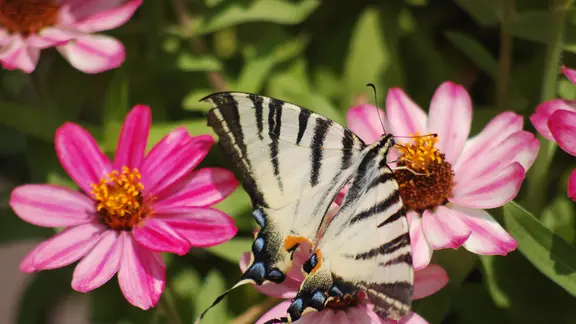
The results were unequivocal. The Swallowtail (Papilio machaon) emerged as a global favorite. Its intricate, vibrant yellow wings, punctuated by sophisticated blue-and-black patterns and its characteristic "tails," garnered high marks across every cultural and geographic demographic tested.
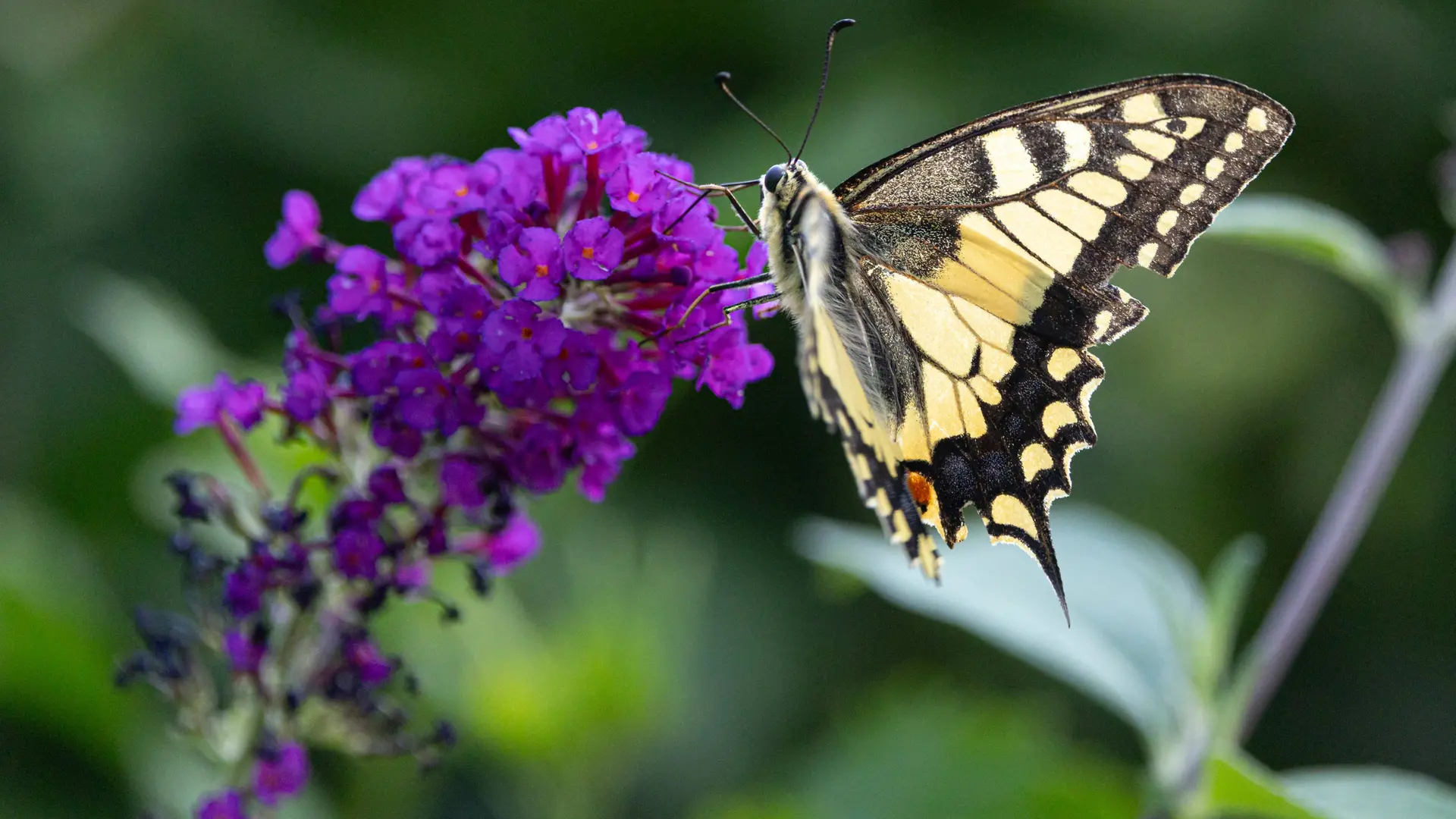
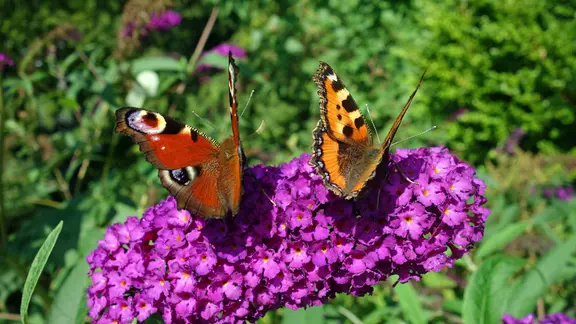
The findings suggest a universal aesthetic preference: humans generally favor butterflies that are large, colorful, and feature high-contrast patterns. Specifically, blue and yellow hues were identified as the most "popular" colors. Conversely, species that were smaller, or featured muted, earthy tones—the "grey mice" of the insect world—were consistently undervalued. This preference was found to be independent of the respondent’s scientific expertise; even trained biologists showed a subconscious bias toward more aesthetically pleasing specimens.
From Preference to Policy: The Scientific "Beauty Bias"
While a preference for the beautiful is harmless in a garden setting, the implications for science are profound. Dr. Elisabeth Kühn, a researcher at the UFZ and the coordinator of the German branch of the study, admits that the results were both expected and deeply concerning.
"For public perception, we expected this outcome. However, we were surprised to find that the same phenomenon manifests in scientific research," says Dr. Kühn.
The data indicates that "attractive" butterfly species are significantly more represented in peer-reviewed literature. When researchers choose which species to study, track, or sequence, they gravitate toward the colorful and the charismatic. This creates a feedback loop: more studies lead to more funding, more data, and ultimately, a more robust understanding of these species’ needs. Meanwhile, the "unsightly" species suffer from a data deficit, making it harder to develop effective conservation strategies for them.
Chronology of the Discovery
- 1979: The Bern Convention is established to protect European wildlife and natural habitats. Analysis shows that the species selected for protection were disproportionately chosen for their aesthetic appeal.
- 1992: The EU’s Fauna-Flora-Habitat (FFH) Directive formalizes these protections. Scientists argue that the directive’s list of protected species is heavily skewed toward charismatic insects.
- 2023-2025: Global researchers begin systematic surveys to quantify the correlation between species "attractiveness" and the volume of scientific research produced.
- 2026 (Current Findings): A comprehensive study of 21,000 people proves that the "Beauty Bias" is a global, cross-cultural phenomenon that persists even among scientific experts.
The Hidden Cost of Conservation
The most significant consequence of this bias is its impact on the "Red Lists"—the documents that dictate which species are considered threatened and in need of urgent intervention.
Conservation, like any field, is constrained by limited resources. Governments and NGOs must decide which species to prioritize based on the information available. Because "beautiful" butterflies are more extensively studied, we have more data on their population trends, dietary requirements, and habitat needs. We know exactly how to save them.
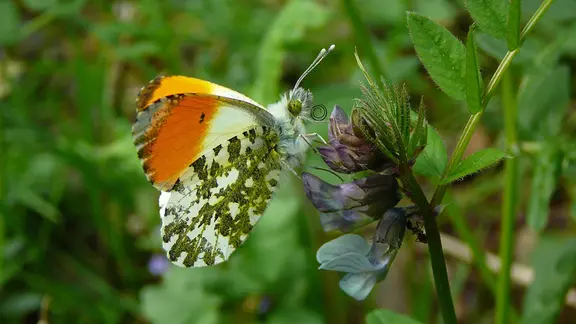
For the "ugly" or "boring" species, we often have no data at all. "There are many inconspicuous brown species, particularly in the Alps, that are severely threatened by climate change," explains Dr. Kühn. "These species, such as the cold-loving glacier moths, are fleeing to higher altitudes to escape rising temperatures, but eventually, they hit a point where they have nowhere left to go."
By failing to prioritize these species simply because they lack visual appeal, we are effectively allowing entire branches of the ecosystem to wither. These insects fulfill critical ecological functions—pollinating specific high-altitude flora or serving as essential prey for other organisms—yet their extinction would likely go unnoticed by the public and underfunded by policymakers.
Challenging the Status Quo
To rectify this, the scientific community is beginning to push for a more objective approach to biodiversity. The goal is not to stop admiring the beauty of the Swallowtail, but to decouple our appreciation of beauty from the necessity of conservation.
The Role of Citizen Science
One of the most effective tools in this fight is "Citizen Science." For over 20 years, the UFZ has run a monitoring program in Germany that invites volunteers to count butterflies. By engaging the public in systematic data collection, the UFZ ensures that species of all shapes, sizes, and colors are recorded. This grassroots approach provides a more realistic snapshot of biodiversity than relying on the biased selection of academic researchers.
Technological Advancements
New software, such as projects currently being developed in Jena, aims to use artificial intelligence to identify and catalog insect populations. AI does not care about colors or patterns; it registers data points with cold, mathematical precision. By implementing such technology, scientists can create a more balanced catalog of which species are thriving and which are in decline, regardless of how they look to the human eye.
Implications for the Future: A Call for Objectivity
The study serves as a warning: our perception of nature is not an objective lens, but a mirror of our own cultural and evolutionary biases. If we continue to allow our "Beauty Bias" to dictate the trajectory of conservation, we risk losing the silent, unassuming architects of our ecosystems.
The challenge moving forward is twofold:
- Educational Reform: We must educate the public to value ecosystem functionality over mere aesthetic appeal. Biodiversity is not a gallery of pretty things; it is a complex, interdependent machine where every part—no matter how dull—is essential.
- Policy Adjustment: Environmental directives must be audited to ensure that listing criteria are based on ecological vulnerability and functional significance rather than public popularity.
"We need to move toward a model where every species, regardless of its appearance, is recognized for its role in the ecosystem," concludes Dr. Kühn. "The survival of the ‘grey mouse’ of the insect world is just as critical to the health of our planet as the survival of the most vibrant butterfly."
As we face an unprecedented global biodiversity crisis, the urgency of this shift cannot be overstated. We have spent decades prioritizing the butterflies that look good in a photograph. It is time to start protecting the ones that actually hold the world together. The future of our ecosystems depends not on our ability to appreciate beauty, but on our capacity to recognize the value of existence itself—even when it comes in a shade of dull brown.
Summary of Key Findings
- Universal Bias: Humans across 100+ countries share a preference for large, bright, blue-and-yellow butterflies.
- Scientific Disparity: There is a direct correlation between a species’ aesthetic score and the number of scientific studies conducted on it.
- Conservation Risk: Many high-risk species are being neglected in policy (such as the FFH directive) because they are perceived as unattractive.
- Climate Change Vulnerability: Cold-adapted, inconspicuous species in mountain regions are currently at the highest risk, yet they receive the least amount of research attention.
- A Solution: Through citizen science and AI-driven monitoring, researchers are working to create a more balanced, data-driven approach to environmental protection that ignores human bias in favor of ecological necessity.













