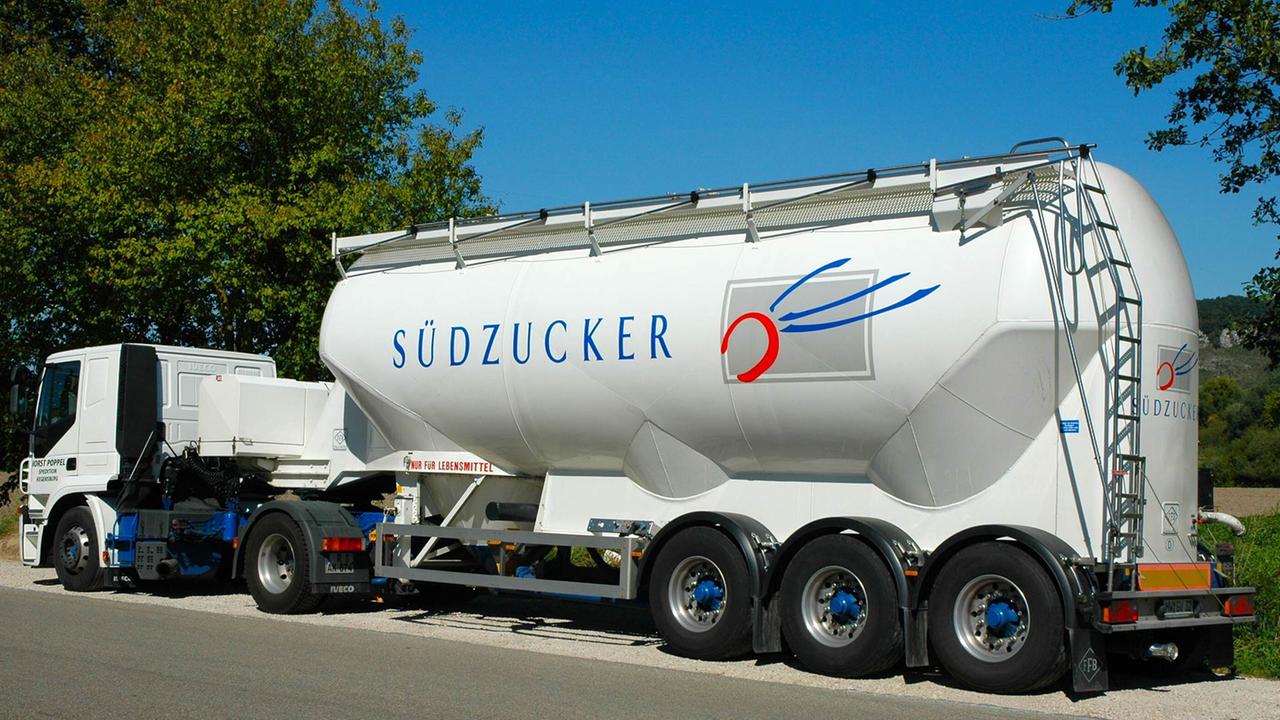
MANNHEIM, GERMANY — Südzucker AG, the European food and bioenergy powerhouse, has delivered a striking performance that has sent shockwaves of optimism through the financial markets. As of September 28, 2026, the company’s stock has surged by nearly eight percent, reflecting a robust financial outlook and an astute navigation of global geopolitical and environmental headwinds.
The Mannheim-based conglomerate, which has long been a staple of the German SDAX index, has officially raised its earnings guidance for the 2026/27 fiscal year, citing a potent combination of rising commodity prices, strategic diversification, and the unintended tailwinds of global instability.
The Core Financials: A Significant Upgrade
Südzucker’s recent financial disclosures paint a picture of a company capitalizing on market volatility. For the fiscal year ending February 2027, the company has revised its revenue expectations upward to a range of 8.3 to 8.7 billion euros—an increase of 200 million euros over previous estimates.
Even more impressive is the recalibration of its operating profit. The management has narrowed the guidance range to 540 to 680 million euros, up from the previously anticipated floor of 480 million euros. This upward revision underscores a period of high performance, particularly when contrasted with the previous fiscal year, where the company generated 535 million euros in operating profit on revenues of 8.4 billion euros.
The most notable indicator of this momentum is the performance of the most recent quarter ending in August. During this period, Südzucker reported an operating result of 168 million euros, a staggering 80 percent increase compared to the same period in the previous year. This performance has effectively silenced skeptics who feared that the normalization of post-pandemic markets would lead to a significant retraction in profits.
Chronology of Market Factors
The success of the current quarter is not an isolated event but the culmination of several overlapping global crises and market shifts that have transformed the competitive landscape for sugar and ethanol producers.
1. The Climate Crisis and Global Sugar Supply
Throughout the summer of 2026, global sugar markets were characterized by extreme volatility. Droughts in key growing regions, coupled with erratic weather patterns, led to widespread crop failures. This supply-side pressure triggered a sharp increase in global sugar prices, which have risen by nearly 20 percent since the beginning of the year. For a producer of Südzucker’s scale, these elevated prices have provided a significant margin expansion.
2. The Geopolitical Energy Nexus
The ongoing conflict in the Middle East, specifically the escalating tensions involving Iran, has created a ripple effect across global energy markets. As oil prices have climbed, the economic value proposition for alternative, domestically produced fuels has improved dramatically. This has been a windfall for CropEnergies, the Südzucker subsidiary focused on bioethanol production.
3. Consolidation and Strategic Focus
Earlier in 2024, Südzucker moved to take CropEnergies private, increasing its stake to over 94 percent. This decision, while initially met with scrutiny regarding the company’s capital allocation, has proven prescient. By centralizing its bioenergy strategy, Südzucker has been able to leverage its internal production capacities more efficiently in response to the surging demand for biofuels.
Supporting Data: Bioenergy and Specialties as Growth Engines
Südzucker’s business model has shifted from a traditional commodity-driven approach to a diversified portfolio. The company’s success in the recent quarter is attributed to two primary drivers:
The Bioethanol Boom
CropEnergies has seen a direct correlation between its profitability and the global price of ethanol, which has risen by approximately 16 percent since the start of the year. As primary feedstocks—such as corn, sugar beet, and wheat—became scarcer due to climate-driven harvest failures, the cost of raw inputs rose, but the output price for ethanol rose even faster.
Furthermore, global government policy is shifting in favor of higher biofuels integration. With the European Union currently debating the implementation of E20 fuel (a 20 percent bioethanol blend) to reduce reliance on imported fossil fuels, the regulatory environment is actively creating a floor for ethanol demand.
The Specialties Segment
Beyond sugar and ethanol, Südzucker’s "Specialties" division—which includes functional ingredients, specialized sugar products, and convenience food components—has become a cornerstone of its stability. By catering to the demand for health-conscious and processed food additives, the company has mitigated the cyclical risks inherent in its core sugar business.
Official Responses and Analyst Perspectives
While the market reacted with an eight percent jump in share price, industry analysts suggest that the rise was largely expected by those tracking the commodity futures market. "The surge was not a surprise to institutional investors," noted one market analyst. "The rise in sugar prices during the summer months made it clear that a guidance hike was imminent. The real story here is how effectively the company translated those raw price increases into bottom-line operational improvements."
Südzucker’s management, in their latest communication to shareholders, emphasized that while these results are encouraging, they remain cognizant of the volatility of the factors driving them. The reliance on geopolitical stability and weather patterns creates a high-beta environment, where rapid growth can just as quickly be met with rapid contraction if the underlying macro conditions shift.
Implications: The Path Forward
The implications for Südzucker and the broader market are twofold:
Short-Term Volatility vs. Long-Term Strategy
The company’s recent success is heavily tied to short-term market fluctuations. The reliance on the Iran-conflict-induced oil price spike and climate-driven sugar shortages suggests that the company’s current profitability is, to some extent, a "windfall." Investors should watch for how the company uses these excess cash flows. Will they reinvest in further automation, diversify into new sustainable technologies, or return capital to shareholders?
The Resilience of the DAX
Despite the ongoing regional conflicts and the inflationary pressures impacting the German economy, the DAX has shown remarkable resilience, holding firm at around 25,418 points. Südzucker’s performance serves as a bellwether for the industrial sector: companies that have the ability to pass on price increases and those that occupy critical roles in the energy transition (like bioethanol producers) are proving to be the most durable in the current economic climate.
Future Outlook
For the remainder of the 2026/27 fiscal year, the focus for Südzucker will be on maintaining the momentum of its Specialties segment while navigating the high-stakes environment of global energy markets. The integration of CropEnergies has proven to be the most significant strategic maneuver of the decade for the company, effectively positioning it as a major player in the European green energy transition.
However, shareholders are advised to remain cautious. While the current fiscal environment is favorable, the inherent instability of the drivers—weather and geopolitical conflict—means that the volatility seen in the share price is likely to persist. As the company looks toward its next reporting cycle, the market will be watching closely to see if the gains in operating profit can be sustained through improved operational efficiency rather than just external price movements.
In conclusion, Südzucker has successfully navigated a turbulent year, transforming global crises into a period of record-setting performance. Whether this growth represents a permanent shift in the company’s trajectory or a temporary peak driven by global instability remains the defining question for the coming year. For now, the Mannheim giant stands as a testament to the profitability of resilience in a world in flux.