FRANKFURT – In a significant consolidation move within the European financial sector, French banking giant Crédit Agricole has officially announced its agreement to acquire the Düsseldorf-based IKB Deutsche Industriebank. The acquisition, which involves a full takeover from the current owner, the private equity firm Lone Star, marks a pivotal shift in the ownership structure of one of Germany’s most specialized financial institutions.
The move is widely seen as a strategic play by the French lender to deepen its penetration into the German corporate market, particularly the vital "Mittelstand"—the backbone of the German economy.
The Core Facts of the Transaction
Late Monday evening, Crédit Agricole confirmed that it had signed a definitive agreement to acquire 100% of the shares of IKB. While the financial details of the transaction remain confidential—with both parties opting not to disclose the specific purchase price—Crédit Agricole emphasized that the deal will be financed entirely through its own existing capital reserves.
The timeline for the integration is set for the medium term. Both parties anticipate that the transaction will reach its final closing by the end of the second quarter of 2027. However, this deadline is subject to the customary closing conditions, most notably the receipt of necessary regulatory approvals from financial authorities in both Germany and France.
Chronology: From Crisis to New Ownership
To understand the significance of this acquisition, one must look at the turbulent history of the IKB.
- 2007: The Subprime Catalyst: IKB became one of the first major German casualties of the global financial crisis. Its heavy exposure to U.S. subprime mortgages forced a government-backed rescue effort, which fundamentally altered its business model.
- 2016: The Lone Star Era: Following years of state-led restructuring, the U.S.-based private equity firm Lone Star acquired the bank. This period was marked by a strategic pivot toward focusing on corporate banking and specialized lending for the German mid-market.
- 2025: The Financial Snapshot: By the end of 2025, IKB had stabilized its balance sheet, reporting a total asset volume of €14.3 billion and a solid credit volume of €8.2 billion.
- 2026-2027: The French Integration: The announcement on Monday marks the commencement of the final transition phase, where IKB will move from being a portfolio company under a private equity firm to becoming a core subsidiary of one of Europe’s largest universal banking groups.
Supporting Data: IKB’s Market Position
IKB Deutsche Industriebank remains a highly specialized institution with a clear footprint in the German economic landscape. Its value proposition lies in its deep sector-specific expertise and its long-standing relationships with industrial clients.
Key Institutional Metrics:
- Workforce: The bank employs approximately 600 financial professionals.
- Geographic Reach: Operating out of its Düsseldorf headquarters, the bank maintains a network of six regional offices across Germany, ensuring localized proximity to industrial hubs.
- Portfolio Strength: With a credit volume of €8.2 billion as of December 31, 2025, IKB maintains a disciplined approach to lending, focusing on companies that are the engine of German exports.
For Crédit Agricole, acquiring these assets is not merely about increasing its balance sheet; it is about acquiring the institutional knowledge and the "German industrial DNA" that IKB has cultivated over its decades of operation.
Official Responses and Strategic Vision
The leadership teams of both organizations have framed this acquisition as a synergistic "win-win" scenario.
The Perspective from Paris
Olivier Gavalda, the head of Crédit Agricole, underscored the importance of the German market in his group’s broader European growth strategy. "Germany stands at the center of our European ambitions," Gavalda stated in a press release. He praised IKB for its "extraordinary quality" and emphasized that the bank’s deep-rooted connections to the German Mittelstand made it an ideal candidate for the group’s expansion plans.
For Crédit Agricole, which is traditionally strong in retail and agricultural banking, acquiring a specialized industrial lender provides a sophisticated platform to cross-sell a wider array of investment banking and corporate financing products to the German market.
The Perspective from Düsseldorf
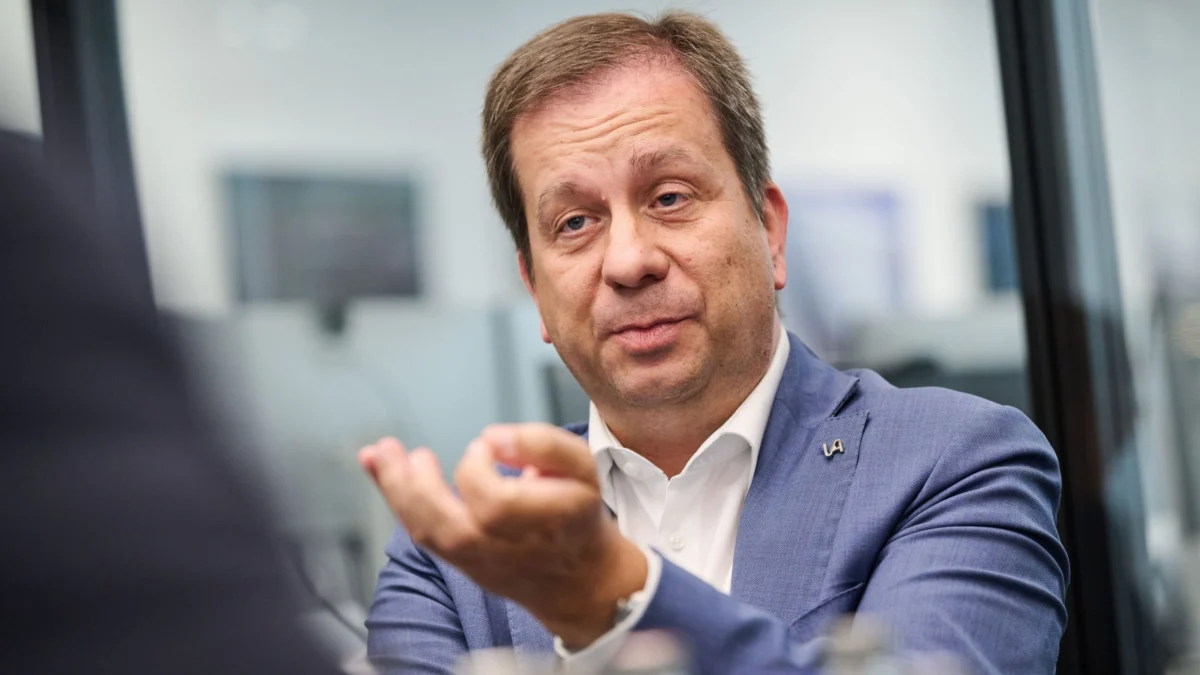
Michael H. Wiedmann, the CEO of IKB, expressed optimism regarding the bank’s future under new ownership. "The entry into the Crédit Agricole Group opens a new chapter for IKB," Wiedmann noted. He highlighted that while IKB will benefit from the immense financial muscle and the vast international network of the French banking group, the bank intends to remain an independent subsidiary. This structure is intended to reassure clients that the "customer proximity" and the "sector-specific expertise"—the hallmarks of the IKB brand—will remain untouched during and after the integration process.
Implications: A New Chapter for German Banking
The acquisition carries several profound implications for the German banking sector and the broader European financial landscape.
1. Strengthening the "Mittelstand" Financing
German medium-sized enterprises have traditionally relied on a combination of savings banks (Sparkassen), cooperative banks, and specialized institutions like IKB for their financing needs. By integrating with a major European banking group, IKB is likely to have an increased capacity to support its clients’ international expansion efforts, particularly in markets where Crédit Agricole already has a significant presence.
2. Competitive Pressure
The move by Crédit Agricole is likely to turn up the heat on other domestic German lenders. The entry of a major French player with significant capital backing may force local competitors to rethink their digital offerings and service capabilities. The French bank’s ability to leverage its international scale while maintaining IKB’s regional focus creates a formidable competitor in the corporate lending space.
3. Consolidation Trends in Europe
The banking sector in Europe has been undergoing a slow but steady consolidation process. The sale of IKB by Lone Star—a private equity firm—to a traditional banking group is a notable trend. It indicates that while private equity was effective at restructuring and stabilizing IKB during its recovery phase, the bank has reached a point where it is better served by the long-term, stable ownership of a strategic banking partner.
4. Regulatory Oversight
Given the sensitive nature of IKB’s history, the upcoming regulatory review process will be watched closely. Authorities will be looking to ensure that the acquisition maintains the stability of the German credit market and that the bank’s capital ratios remain robust throughout the transition period leading up to 2027.
Conclusion: A Synergistic Future
As the financial world looks toward the 2027 closing date, the narrative is clear: Crédit Agricole is positioning itself as a dominant force in European corporate banking, with Germany as its primary growth engine.
For IKB, the transition marks a shift from being a "turnaround project" under private equity to becoming a "strategic asset" within a major European institution. Provided that the integration preserves the core client relationships and the specialized knowledge base of the Düsseldorf-based staff, the deal represents a promising development for the German Mittelstand, offering them access to the global resources of a French giant without losing the personalized service they have come to expect from IKB.
The coming months will likely see more details emerge regarding the specific integration strategies, but for now, the message from both Paris and Düsseldorf is one of continuity, stability, and growth.