The brutal slaying of a prominent Chemnitz cardiologist in March 2024 sent shockwaves through the medical community and the public at large. Two years later, the chilling details of this high-society crime, involving millions, secret liaisons, and a lethal conspiracy, are brought to light in a gripping new book by former court reporter Gabi Thieme.
Introduction: A Life Cut Short
In the spring of 2024, the city of Chemnitz was gripped by a tragedy that felt more like a script from a dark cinematic thriller than the reality of a quiet, affluent neighborhood. A highly respected cardiologist—a man credited with saving countless lives and a figure of significant wealth—was found dead in his own bedroom. The murder was not merely a random act of violence; it was a calculated, cold-blooded execution that shattered the facade of a seemingly perfect life.
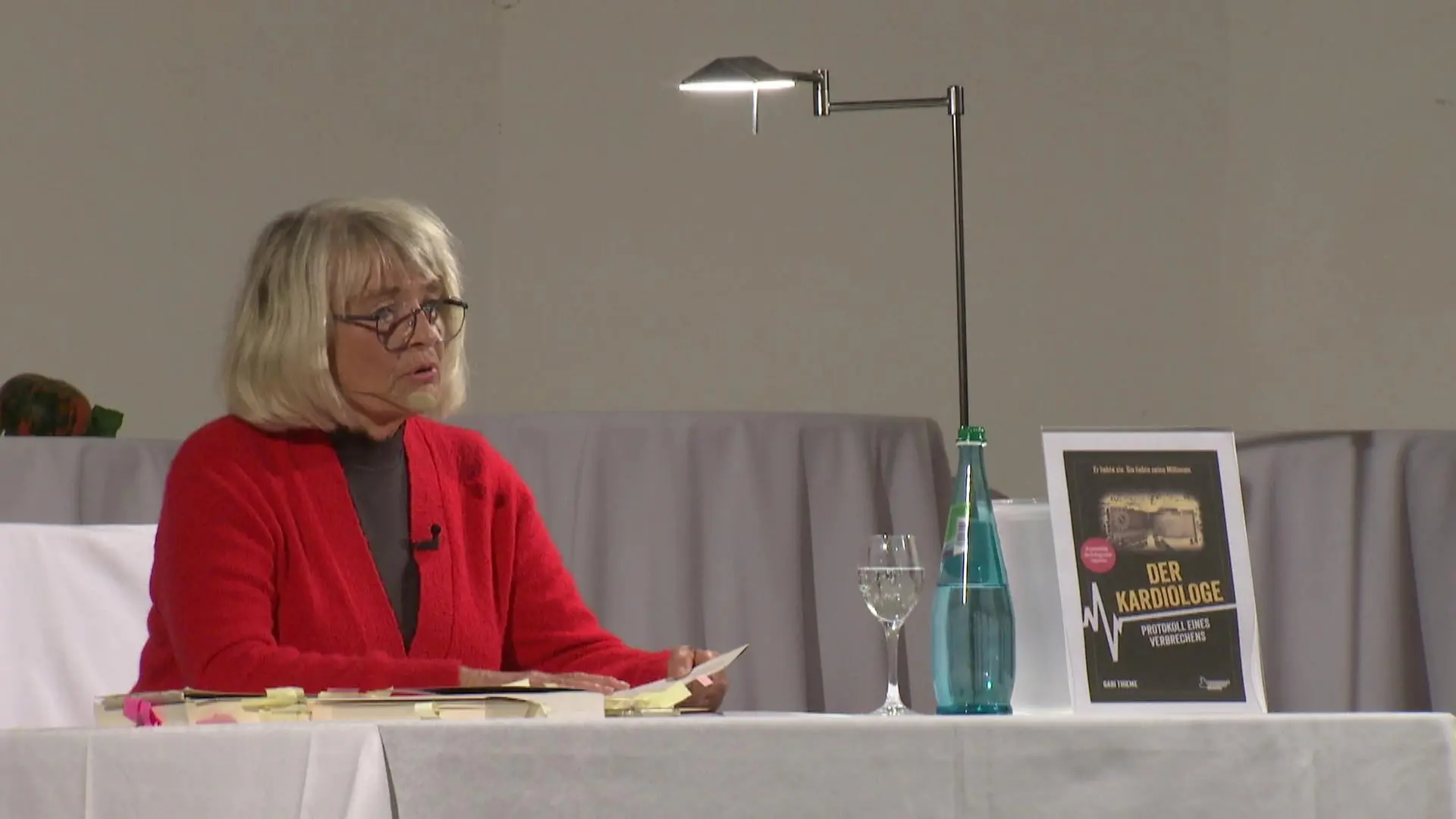
The subsequent investigation into the death of the multi-millionaire physician revealed a tangled web of betrayal, greed, and deception. Today, as the legal dust settles and the perpetrators serve their time, the public’s fascination remains undimmed. Former crime journalist Gabi Thieme, who meticulously followed every development of the case, has now released “The Cardiologist”—a deep dive into the human psyche behind the headlines. Her book, currently the subject of an extensive lecture tour across Saxony, offers a rare, unflinching look at the circumstances that led to one of the most sensational criminal trials in recent German history.
The Chronology of a Crime
The timeline of the murder paints a picture of a conspiracy that developed in the shadows.

- The Discovery: In March 2024, emergency services were called to the private residence of the cardiologist. What authorities initially suspected might be a medical emergency quickly turned into a major homicide investigation upon the discovery of physical evidence indicating foul play.
- The Investigation: Chemnitz law enforcement quickly shifted their focus toward the inner circle of the victim. The lifestyle of the cardiologist—defined by high-stakes professional success and immense personal wealth—became the primary lens through which detectives viewed the suspects.
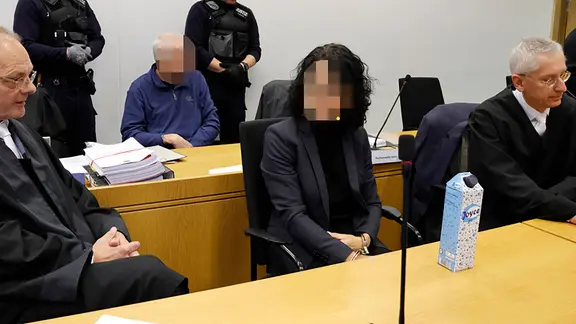
- The Arrests: The investigation identified a trio of suspects: the victim’s own widow, a female acquaintance, and a male associate. The revelation that the widow was allegedly involved in the plot to kill her husband shocked the local community.
- The Trial: The trial at the Chemnitz Regional Court served as the stage for the unveiling of the prosecution’s case. It was a trial marked by chilling testimony, forensic analysis, and the cold, hard facts of the motive. The widow was eventually sentenced to life in prison, a verdict that reflected the severity and premeditation of the act.
Behind the Headlines: The Research of Gabi Thieme
Writing a book about a case that was so heavily scrutinized by the media presented a unique challenge for Gabi Thieme. “At first, I hesitated,” Thieme confessed to MDR SACHSEN. “The public thought they knew everything because the trial was so high-profile. I had to ask myself if there was anything left to uncover.”
Driven by the journalistic impulse to look beyond the surface, Thieme spent months interviewing those who existed on the periphery of the victim’s life—people who had not been called to testify but held intimate knowledge of his daily routines. She managed to gain the trust of his neighbors, his loyal house manager, and the private secretary who worked in his home once a week.
“It was through sheer coincidence that I found neighbors who were willing to open up to me,” Thieme explains. “The people who worked for him were so helpful and transparent. Because of these conversations, the book goes far beyond what was ever reported in the courtroom.” The result is a narrative that shifts the focus from the legal procedural to the personal tragedy of a man whose success and wealth became the catalyst for his downfall.
A Case of Hollywood Proportions: Perspectives from the Publisher
The commercial success of “The Cardiologist”—now heading into its sixth printing just weeks after release—speaks to the public’s insatiable appetite for true crime. Jens Korch, the publisher at Paperento Verlag, notes that the case possesses all the ingredients of a classic noir film.

“If you were a screenwriter in Hollywood, you couldn’t invent a more compelling plot,” says Korch. “You have the archetype of the wealthy victim, the beautiful woman behind the betrayal, and elements that seem almost surreal: gold stored in plastic bags, secret meetings in the dead of night on empty parking lots, and a level of deception that is truly staggering.”
According to Korch, the reason the book resonates so deeply is not just the violence, but the "curiosities" that surround the case. It is the juxtaposition of the mundane—the daily chores, the house maintenance—with the extreme measures taken by the perpetrators to acquire the victim’s fortune.

The Anatomy of the Conspiracy
The evidence presented during the legal proceedings detailed a level of cold-hearted planning that horrified the public. The prosecution laid out a narrative of financial desperation and resentment. The "Gold in Plastic Bags" mentioned by the publisher became an iconic, albeit morbid, symbol of the motive—a literal accumulation of wealth that the conspirators were willing to kill for.
The night-time meetings on public parking lots suggest a frantic, almost amateurish level of planning that contrasts with the sophistication one might expect from such a crime. These details are what Thieme captures in her book, framing the crime not just as a murder, but as the inevitable explosion of a pressure cooker built by years of secret lies and internal grievances.

Official Responses and Legal Implications
The conviction of the widow and her accomplices sent a strong message regarding the severity of such crimes in the German legal system. The life sentence handed down to the widow was the culmination of a rigorous investigation that left no stone unturned.
Legal experts have pointed to the case as a benchmark for how the German judiciary handles crimes involving complex domestic conspiracies. The cooperation between law enforcement and the courts ensured that despite the high-profile nature of the victim, justice was served based on the weight of the evidence rather than the status of the individuals involved.

Societal Reflections: Why We Are Obsessed with True Crime
The success of Gabi Thieme’s work raises broader questions about society’s fascination with true crime. In an age of digital saturation, why do we return to these stories?
Psychologists suggest that true crime narratives allow the public to explore the darkest corners of human nature from a safe distance. For the people of Chemnitz, the murder was an intrusion of the unimaginable into their daily lives. By reading about the case, by analyzing the motives, and by understanding the chronology of the betrayal, the public attempts to rationalize an irrational act.

Thieme’s book provides more than just a summary of facts; it provides a sense of closure. By humanizing the victim—moving away from the "multi-millionaire" label and showing the man who saved lives—the book allows the community to mourn the person rather than just the headlines.
The Legacy of the Cardiologist
The legacy of the Chemnitz cardiologist is twofold. Professionally, he leaves behind a record of lives saved and a contribution to the field of medicine that cannot be erased by the nature of his death. Personally, his story serves as a cautionary tale about the perils of isolation and the dangers that can hide behind the closed doors of the wealthy and privileged.

As Gabi Thieme continues her lecture tour, she remains committed to her role as a chronicler of truth. Her work highlights that even in a digital age, the old-fashioned methods of journalism—building trust, speaking to the overlooked, and questioning the accepted narrative—are more vital than ever.
The murder of the Chemnitz cardiologist will likely be remembered for years to come. It serves as a stark reminder that no matter how much security one buys, no matter how much wealth one accumulates, the most dangerous threats are often those closest to home. Through the work of writers like Thieme, the story remains a part of the public consciousness, ensuring that while the man is gone, the lessons learned from his final, tragic chapter will endure.

Key Takeaways from the Case:
- The Motive: Driven by financial greed, the conspirators viewed the victim’s wealth as a prize to be seized at any cost.
- The Evidence: The discovery of stashed assets and the trail of secret communication were pivotal in the prosecution’s case.
- The Impact: The local community was profoundly shaken, leading to a lingering interest in the case that extends well beyond the courtroom.
- The Narrative: Gabi Thieme’s book “The Cardiologist” offers a human-centric perspective, distinguishing it from traditional court reporting by incorporating the voices of those closest to the victim.
As the book continues to sell and the conversation continues in reading halls across Saxony, the story of the Chemnitz cardiologist stands as a testament to the fact that, in the end, the truth—no matter how deeply buried—usually finds its way to the surface.