By Ronny Eichhorn, SPORT IM OSTEN
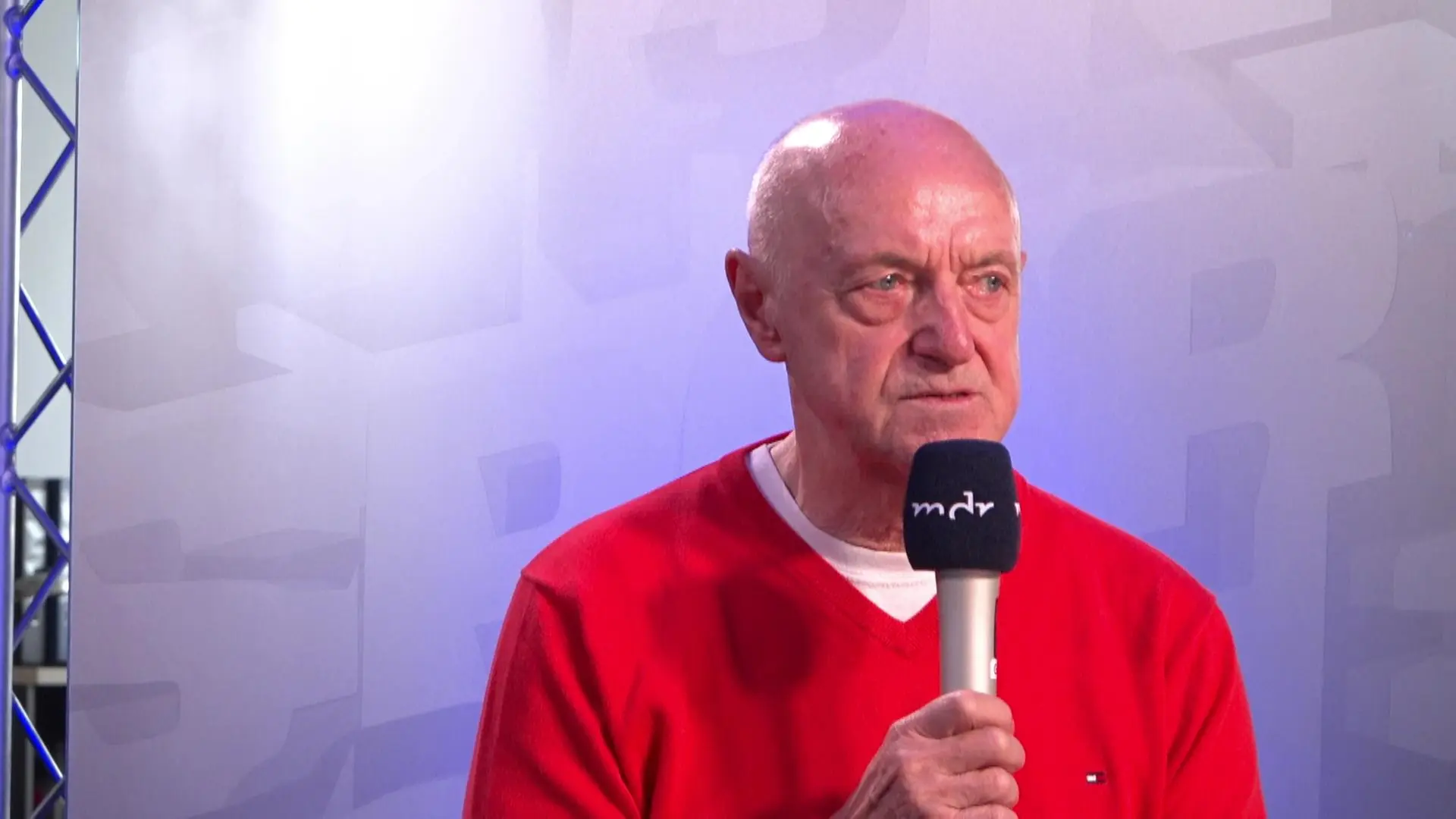
The 2026/27 season of the Regionalliga Nordost has reached its first critical juncture. With 13 matchdays now firmly in the rearview mirror, the landscape of the league is beginning to take a definitive shape. To dissect the current trends, surprises, and growing pains of the division, we sat down with SPORT IM OSTEN expert Lutz Lindemann.
The narrative of the current campaign is a tale of two realities: the unexpected ascent of a revitalized BFC Dynamo in the capital and the deepening structural and sporting crisis engulfing the traditional heavyweights of the Erzgebirge.
The Main Facts: A League in Transition
As we approach the winter period, the league hierarchy is shifting. The Chemnitzer FC remains the team to beat, sitting at the summit of the table. However, their aura of invincibility has been challenged, most notably by a BFC Dynamo side that has transformed into a genuine powerhouse.
Conversely, the drop from the 3. Liga has proven to be a difficult transition for Erzgebirge Aue. Once considered a favorite to dominate the division, the "Veilchen" (Violets) find themselves drifting into the mediocrity of mid-table, accompanied by a growing sense of unrest among the fanbase and leadership. Similarly, the 1. FC Lok Leipzig is struggling to find the consistency required to challenge for the top spots, placing immense pressure on their coaching staff.
Chronology of a Transformation: BFC Dynamo’s Resurgence
The BFC Dynamo story is arguably the most compelling subplot of the season. After a turbulent previous year, the club has managed to harness a new, collective energy.
The Capital "Monster"
In seven home matches, BFC has secured a staggering 17 points. Their dominance at home is not merely reflected in the scoreboard but in the way they impose their will on opponents. Their recent 1-1 draw against league-leaders Chemnitzer FC served as the ultimate litmus test.
Chemnitz head coach Benjamin Duda, despite salvaging a point, was remarkably candid in his assessment: "That was a bear-strong performance by the opponent. The BFC has created a monster at home; they are incredibly difficult to defend against. For the first time this season, we were the weaker team on the pitch."
The Architect: Sven Körner
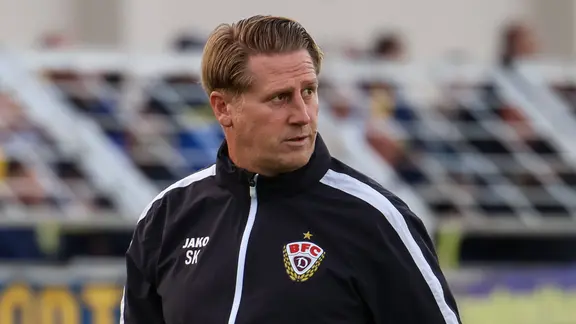
The transformation began in December 2025 with the appointment of Sven Körner. The 44-year-old manager, working in tandem with Managing Director Enis Alushi, has focused on a recruitment policy centered on the club’s identity.
"These things do not happen overnight," Körner explained. "We worked with Enis Alushi on a clear vision for the squad. We created a ‘BFC DNA’ and scouted players who fit that specific profile. When you combine that tactical identity with the raw energy of our home support, the development becomes inevitable."
Expert Lutz Lindemann admitted he had overlooked the Berliners during his pre-season analysis. "I have to be honest: I didn’t think they would be this stable at the top so quickly. It’s a joy to watch them play with such conviction."
Supporting Data: The Dadashov Factor
At the heart of the BFC engine room is captain Rufat Dadashov. At 35 years old, the veteran striker has been a revelation, remaining injury-free and clinical in front of goal with seven strikes in 13 appearances.
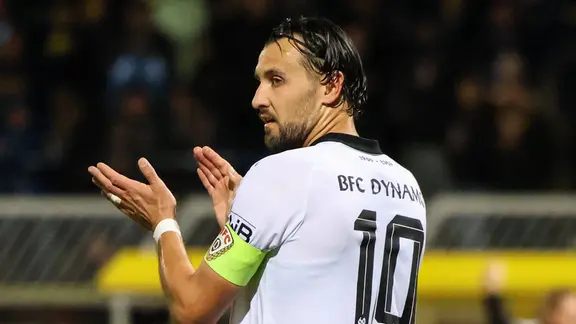
Lindemann emphasizes the psychological impact of such a player: "When you have a seasoned professional who leads the team, manages his opportunities, and acts as a central figure in the locker room, it makes the coach’s job infinitely easier."
Körner echoes this sentiment, noting that the younger players in the squad are not just watching Dadashov; they are following his lead. The synergy between the tactical setup and the veteran leadership has created a "grundgerüst" (foundation) that Lindemann believes makes them one of the top six teams destined to fight for the title until the very end.
The Crisis at Erzgebirge Aue
While Berlin celebrates, the mood in the Erzgebirge is darkening. The relegation from the 3. Liga was supposed to be a temporary setback, a launching pad for an immediate return to professional football. Instead, the club is spiraling.
Tactical Impotence
The symptoms of the crisis are clear: three consecutive league defeats and a humiliating exit from the Sachsenpokal at the hands of the lower-league FC Eilenburg. The team has looked devoid of ideas, particularly when facing teams that employ a low defensive block. Whether it was the loss to Chemie Leipzig or the struggle against the Greifswalder FC, Aue has consistently failed to create meaningful scoring chances.
The Leadership Dilemma
The situation has reached a point where even the club’s most ardent supporters are beginning to question the hierarchy. Coach Khvicha Shubitidze has faced criticism for his public assessments of the team’s performance, which many feel are too detached from the reality on the pitch.
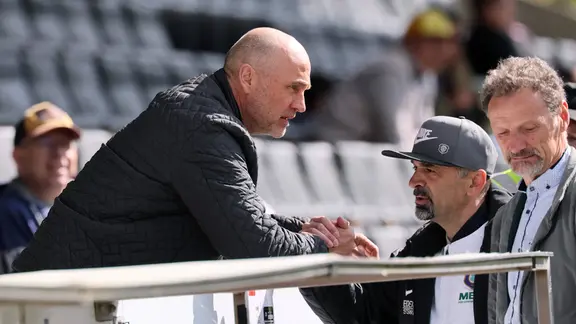
Lutz Lindemann spoke with club president Thomas Schlesinger, who is visibly suffering from the team’s lack of progress. "Schlesinger has his heart and soul in this club. He is hurting," Lindemann noted. However, the expert warns against the "scapegoat" culture. "Firing the coach or blaming the squad planner, Steffen Ziffert, is too simple. The truth is that the club likely underestimated the sheer difficulty of this league."
Official Responses and Internal Tensions
The pressure on Aue is reaching a boiling point ahead of their upcoming match against FSV Zwickau. For the coaching staff, this is effectively a "Schicksalsspiel"—a match that will define their future at the club.
When asked about the possibility of a coaching change, Lindemann was cautious but realistic. "The board is asking themselves the hard question: ‘Where do we find someone who can guarantee success?’ Shubitidze has his supporters, but in football, patience is a finite resource."
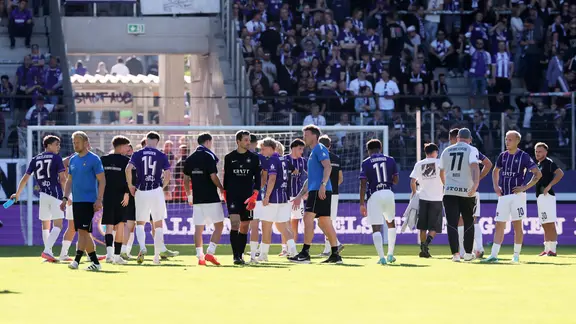
Meanwhile, at 1. FC Lok Leipzig, the situation is similarly precarious. With only 17 points and a 10th-place standing, the fans’ frustration is palpable. The "Ziegner out" chants, which were heard following the derby against Chemie Leipzig, are becoming a constant background noise. Lok’s management is now facing a decision: stick with Torsten Ziegner and hope for a turnaround, or intervene before the season slips away entirely.
Implications: A Season of High Stakes
As we look toward the remainder of the 2026/27 campaign, the league is clearly dividing into two tiers.
- The Contenders: BFC Dynamo, having established themselves as a force, are now in the hunt alongside Chemnitz. Their efficiency in front of goal will be the deciding factor in whether they can bridge the gap to the very top.
- The Underachievers: Aue and Lok Leipzig are at a crossroads. The implication of further losses for these clubs is severe. Both have the resources and history to succeed, but their current lack of tactical flexibility and internal stability threatens to turn their seasons into complete washouts.
The Road Ahead
The upcoming weeks will be decisive. For the BFC, the challenge will be to maintain the "monster" they have built at home while improving their efficiency away. For the struggling giants in Saxony, the priority is to stop the bleeding.
Lindemann’s final analysis remains objective: "A team is defined by how it handles adversity. BFC has found its identity. Aue and Lok are still searching for theirs. The ones who find it first will define the outcome of this season."
The Regionalliga Nordost continues to be a breeding ground for both brilliance and heartbreak. As the winter chill approaches, the heat in the dugouts of the league’s most historic clubs is only just beginning to rise. Whether it results in a new champion from the capital or a desperate scramble for stability in the Erzgebirge, one thing is certain: the 2026/27 season is far from settled.