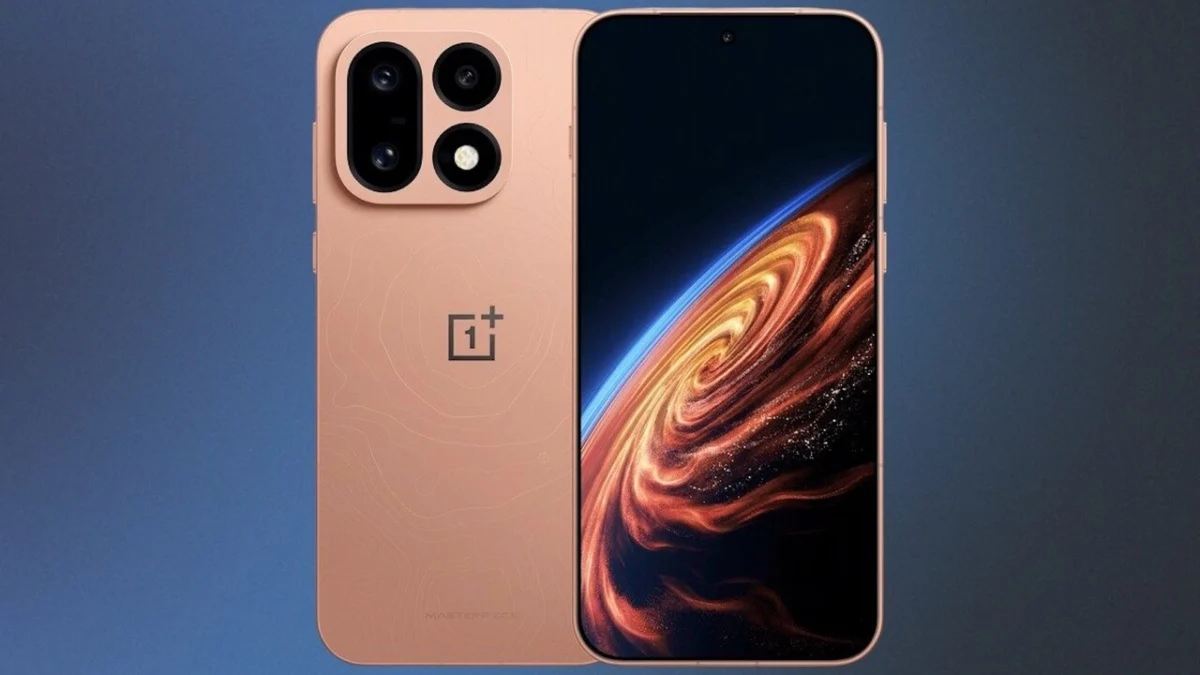
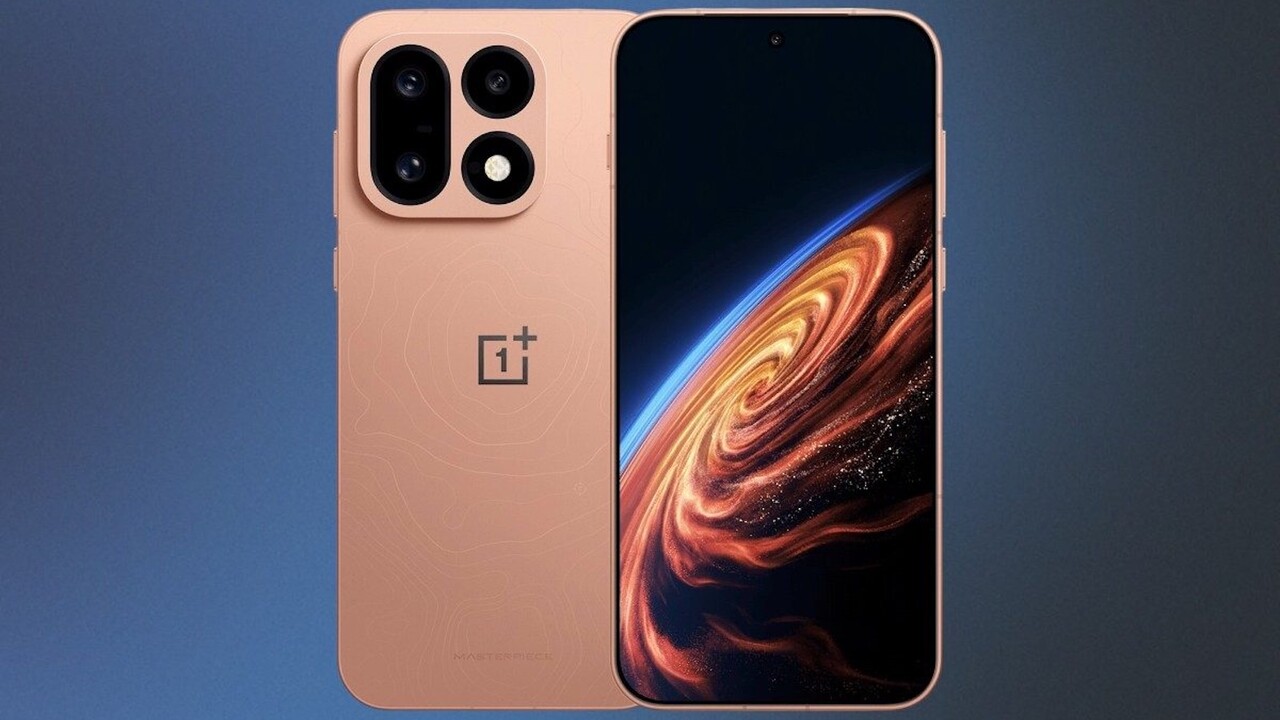
As the global smartphone market prepares for the next generation of flagship devices, OnePlus has positioned itself at the vanguard of innovation. With the official unveiling of the OnePlus 16 scheduled for October 12th in China, the company has begun a calculated rollout of technical specifications that promise to redefine user expectations. From a massive 9,000 mAh battery architecture to a display that pushes refresh rates into uncharted territory, the OnePlus 16 is shaping up to be a hardware powerhouse.
Main Facts: Setting the New Standard
The core narrative surrounding the OnePlus 16 is one of raw performance and longevity. At the heart of the device lies the Qualcomm Snapdragon 8 Elite Extreme Gen 6, a processor that signifies a new peak in mobile computing power. This chipset, coupled with up to 16GB of high-speed LPDDR5X RAM and a massive 1TB of UFS 4.1 internal storage, ensures that the device is not merely a smartphone, but a mobile workstation.
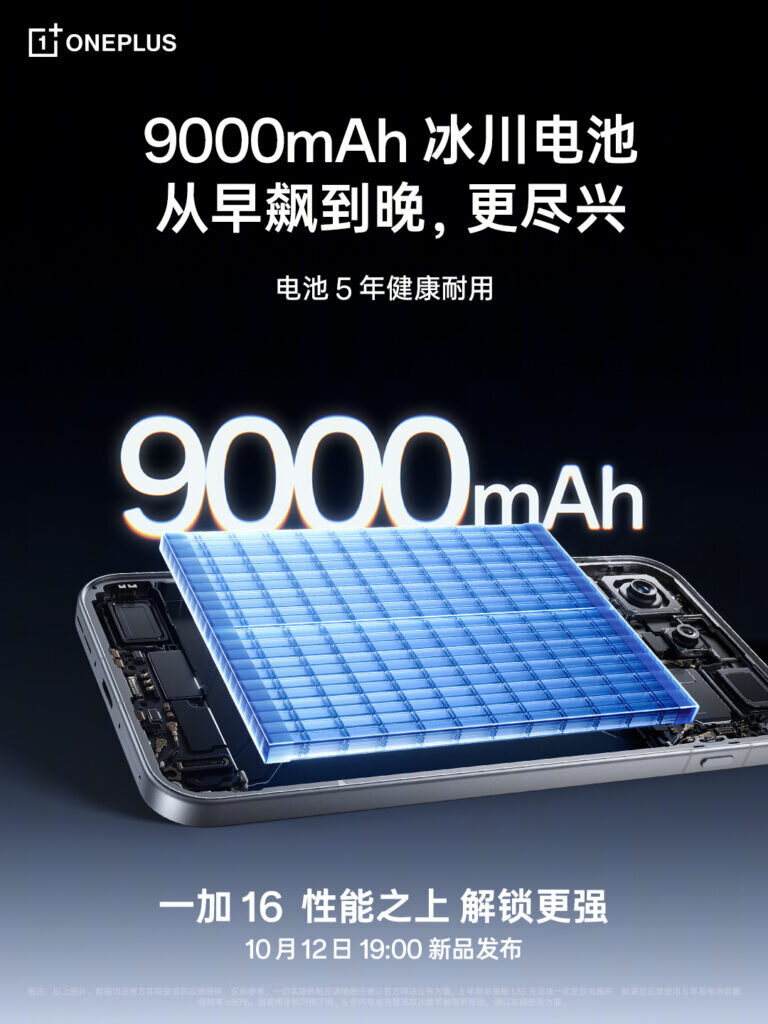
However, the headline feature is undoubtedly the power solution. OnePlus has confirmed the integration of a 9,000 mAh "Glacier Battery." In an industry where 5,000 mAh has long been the "gold standard" for flagships, this leap in capacity is a radical departure. To manage such density, OnePlus has leveraged the proprietary "Glacier Battery Power Chip" developed by its parent company, Oppo. This silicon-level integration is designed to optimize energy efficiency, extend overall device lifespan, and ensure consistent power delivery even when the battery is near depletion.
Chronology of the OnePlus 16 Reveal
The buildup to the launch of the OnePlus 16 has been characterized by a strategic drip-feed of information, a common tactic in the modern tech landscape to build anticipation while controlling the narrative.
- Late September: Qualcomm unveiled the Snapdragon 8 Elite Extreme Gen 6. Industry analysts immediately speculated on which OEMs would be the first to adopt the silicon.
- Early October: OnePlus confirmed the official launch event for the device, set for October 12th in the Chinese market.
- Mid-October (Pre-Launch): In the days leading up to the event, OnePlus began releasing specific technical white papers and teasers regarding the "Glacier Battery" and the "Oriental Screen" technology.
- Upcoming (October 12th): The global tech community expects a full keynote presentation where the software experience—specifically ColorOS 17 based on Android 17—will be demonstrated in tandem with the hardware.
Supporting Data: Engineering the Future
The "Glacier Battery" Ecosystem
The inclusion of a 9,000 mAh cell is not simply about fitting a larger pouch into the chassis; it is an exercise in thermal and energy management. The "Glacier Battery Power Chip" acts as an intelligent gatekeeper. By utilizing advanced algorithms, the chip monitors voltage levels and cell temperature in real-time.
According to internal tests released by the company, this system is rated to maintain optimal battery health for at least five years of heavy usage. Furthermore, while the device supports 100W wired fast charging—a feature confirmed via regulatory certification—the inclusion of a 50W wireless charging capability remains a highly probable, albeit technically unconfirmed, feature. This ensures that even with a massive battery, the "time-to-full-charge" metric remains competitive with industry leaders.
Display Innovation: The 185 Hz Frontier
Visual fidelity has been a hallmark of the OnePlus "Pro" series for years, but the OnePlus 16 takes this to the extreme. The device utilizes a fourth-generation BOE "Oriental Screen," which features customized X4 light-emitting materials.
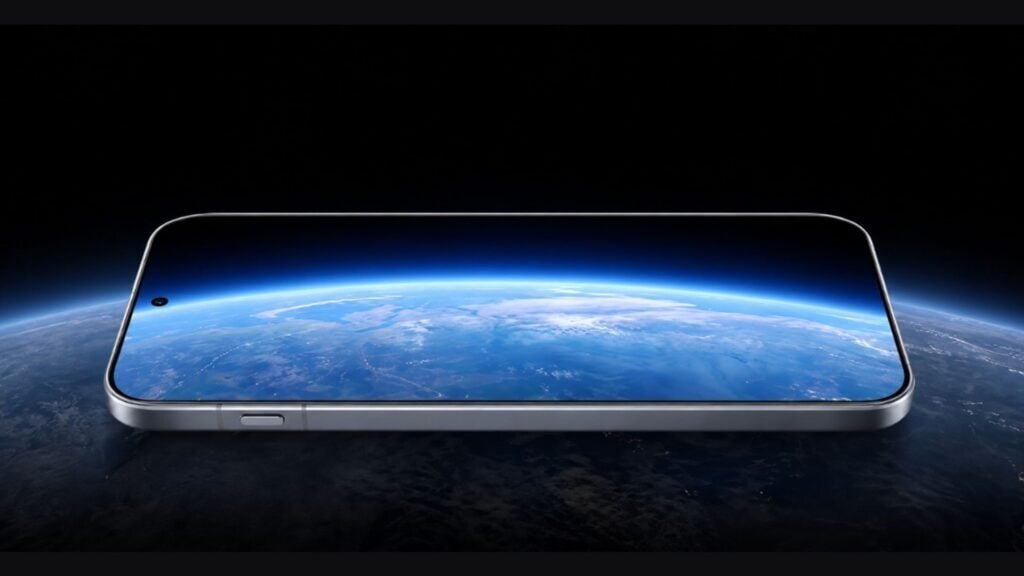
The standout statistic here is the refresh rate. While the system operates at a fluid 165 Hz for general tasks, it features an overclocked mode for compatible mobile gaming, reaching 185 Hz. This represents a significant jump over the current 120 Hz and 144 Hz standards. Coupled with a P4 display processor and "Ultra-Dynamic-Clarity" technology, the screen is engineered to reduce motion blur and improve color accuracy. With a symmetric 1.15 mm bezel design, the device achieves a near-perfect screen-to-body ratio, providing an immersive experience that feels physically seamless.
Optics and Sensor Suite
While the internal power and screen tech take center stage, the camera system remains a critical pillar of the flagship experience. The current specifications point to:
- Primary Sensor: A 200-megapixel main shooter with Optical Image Stabilization (OIS).
- Ultra-Wide: A 50-megapixel lens for expansive landscapes.
- Telephoto: A 50-megapixel periscope telephoto lens, providing a 3x optical zoom.
This setup suggests that OnePlus is aiming to dominate in both high-resolution still photography and versatile long-range imaging.
Official Responses and Corporate Philosophy
OnePlus has framed the OnePlus 16 as the "ultimate flagship." During internal briefings, the company emphasized that the collaboration with Oppo on the power management chips is a direct response to the "battery anxiety" felt by power users.
"Our goal is not just to provide a larger battery, but to change how the phone interacts with its power source," a spokesperson for the company noted. By integrating the power chip, OnePlus claims to have solved the degradation issues that typically plague high-capacity, high-density batteries. This partnership highlights the synergy within the BBK Electronics umbrella, allowing OnePlus to access top-tier R&D resources that would be prohibitively expensive for a smaller, independent manufacturer.
Implications for the Smartphone Industry
The launch of the OnePlus 16 carries significant weight for the wider mobile industry.
1. The Death of Battery Anxiety
If the 9,000 mAh battery proves as stable and efficient as OnePlus claims, it effectively makes the 5,000 mAh standard obsolete. Competitors such as Samsung, Apple, and Xiaomi will likely face immense pressure to pivot their design languages to accommodate larger, more intelligent battery architectures.
2. The Refresh Rate War
By pushing to 185 Hz, OnePlus is challenging the assumption that 120 Hz is the "sweet spot." While mobile games capable of hitting 185 FPS are currently niche, the marketing power of this specification cannot be understated. It forces other manufacturers to focus on display processing power, potentially leading to faster, more responsive interfaces across the entire Android ecosystem.
3. Vertical Integration
The success of the "Glacier Battery Power Chip" serves as a case study for the value of vertical integration. As hardware becomes commoditized, the ability to design proprietary power management silicon gives OnePlus an edge that cannot be easily replicated by companies relying solely on third-party components.
4. The Future of Software
With the device launching on ColorOS 17 based on Android 17, it provides a window into the future of the mobile operating system. The deep integration between the hardware sensors and the OS layer—specifically in how the phone handles refresh rates and power consumption—will likely define the next iteration of Android user experience.
Conclusion
The OnePlus 16 is more than a simple iterative update. It is a bold, technically ambitious device that addresses the two most persistent complaints of the modern smartphone era: battery life and thermal-induced throttling. By combining the Snapdragon 8 Elite Extreme Gen 6 with a massive 9,000 mAh power cell and a hyper-fast 185 Hz display, OnePlus has created a device that is objectively ahead of the curve.
As we await the official launch on October 12th, the question is no longer whether the OnePlus 16 will be a powerful phone—that is already clear. The question is whether the market is ready for a device that effectively doubles the expectations for what a flagship smartphone should be. For enthusiasts and power users alike, the OnePlus 16 represents the most exciting hardware release of the final quarter of the year, signaling a shift toward a new era of high-capacity, high-performance mobile computing.