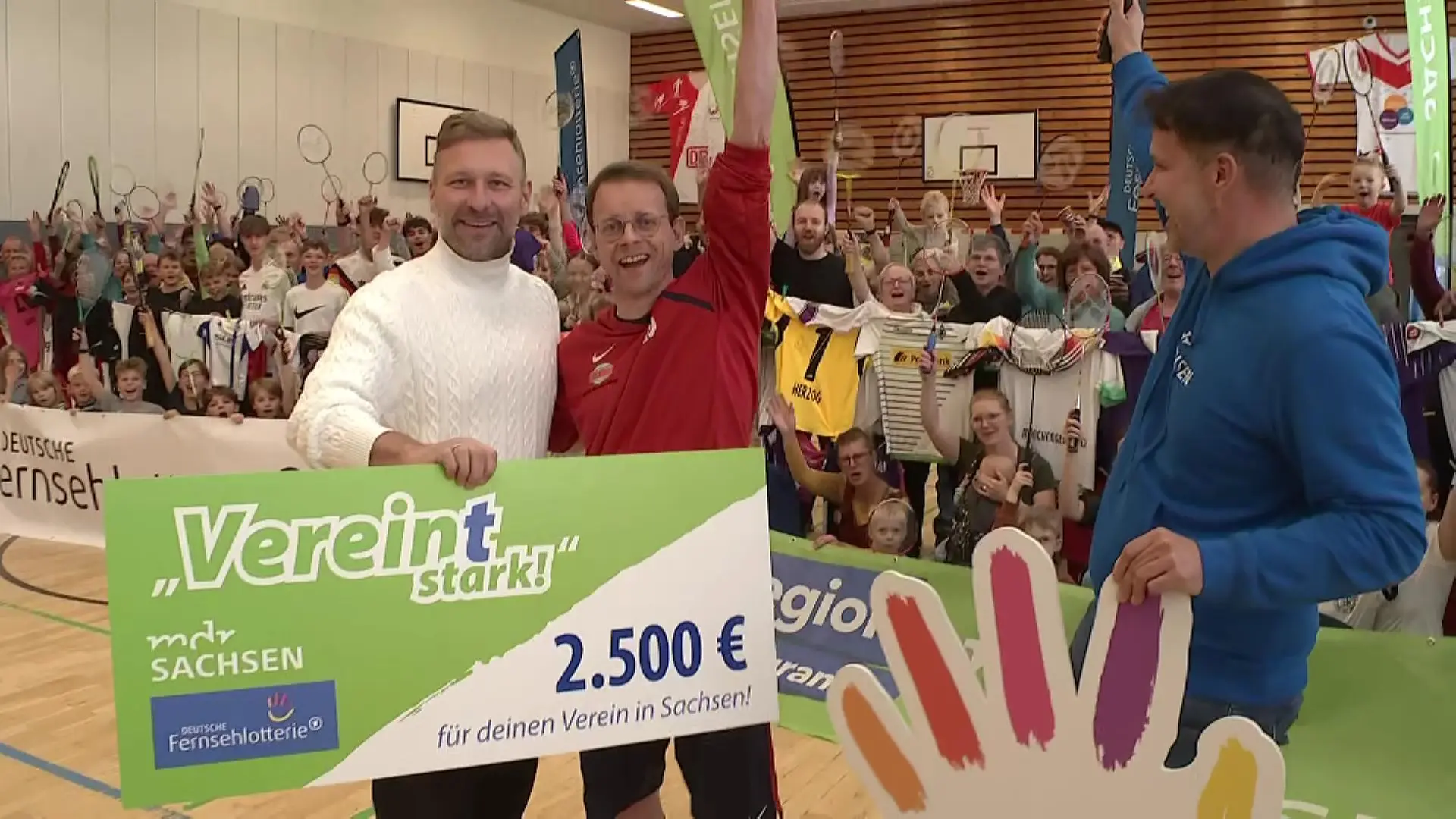
In the heart of the Ore Mountains, the town of Oberwiesenthal has long been synonymous with winter sports excellence. However, beneath the prestige of its world-class ski jumps and training facilities lies a constant, uphill battle: the financial strain of nurturing elite talent in an era of rising costs. Recently, the "Olympiaförderkreis – Leistungszentrum Oberwiesenthal" (Olympic Support Circle) proved that the strength of a sports community lies not just in its athletes’ agility, but in its collective resolve, securing a significant €2,500 injection through the MDR SACHSEN "Zuhause in Sachsen – vereint stark" (At Home in Saxony – United and Strong) initiative.
This victory was far from a simple handout. It was the result of a high-stakes, community-wide mobilization that saw generations of athletes, local officials, and even sporting legends rally to conquer an unconventional challenge.
The Financial Reality of Elite Sports
Sporting success is rarely the product of talent alone; it requires a sophisticated ecosystem of infrastructure, travel, and specialized equipment. For the Olympiaförderkreis, the primary mission has always been to bridge the gap between public funding and the actual costs of high-performance development.
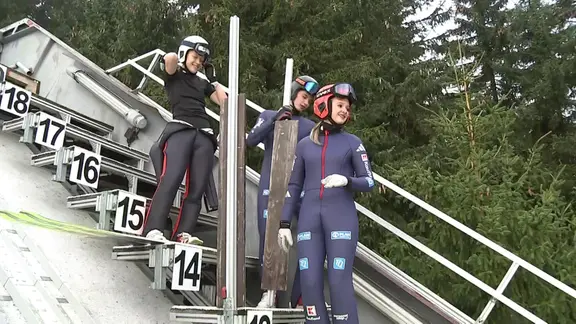
Olaf Hegenbarth, a stalwart of the local scene who has spent over two decades as a ski jumping coach, currently oversees the development of 15- to 18-year-old prospects. For Hegenbarth, the "Vereint stark" initiative was not merely a game, but a necessary lifeline. "The MDR initiative is a brilliant idea," he noted. "In these times, when the cost of living and operations is skyrocketing, we need every bit of support we can get."
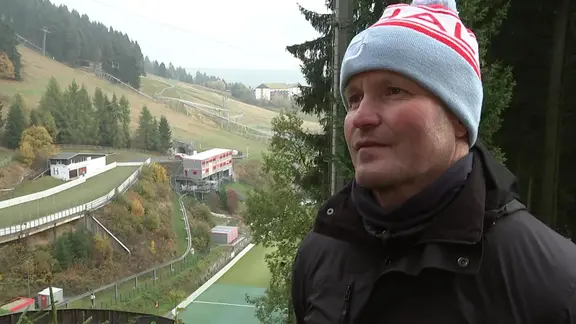
The numbers underscore his urgency. A single training camp for a young athlete can cost approximately €100 per day. With Hegenbarth’s group conducting between ten and eleven such camps annually, the financial burden is substantial. Beyond camps, the cost of specialized skis, jumpsuits, and bindings—which must meet rigorous international standards—places a heavy weight on the association’s budget. By participating in the MDR contest, the association sought to alleviate this pressure, ensuring that promising young athletes are not held back by financial barriers.
A Chronology of the Challenge
The path to the €2,500 prize was paved with both intellectual and physical obstacles. The competition, designed to test both local knowledge and community spirit, unfolded in two distinct phases on the day of the event.
Phase I: The Intellectual Hurdle
The morning began with a classic "guess the celebrity" segment. Participants were tasked with identifying a prominent German footballer based on a series of clues. The Oberwiesenthal team, leveraging their deep local network and collective knowledge, quickly identified the mystery star as Toni Kroos. Successfully passing this initial barrier was essential to remain in contention, but it was merely the prologue to a much more demanding afternoon.
Phase II: The Badminton Challenge
The true test of the community’s "united strength" came in the form of a bizarre but effective logistical challenge. The association was tasked with constructing a makeshift badminton net across the town’s sports field—not out of standard netting, but out of football gear. The organizers mandated that the "net" be composed entirely of apparel: socks, football shorts, jerseys, and tracksuits.
Once this peculiar barrier was erected, the community had to prove its mobilization power. The challenge required 73 people to be present at the site, ready to engage in a synchronized badminton rally over the "garment net."
Community Mobilization: A Local Effort
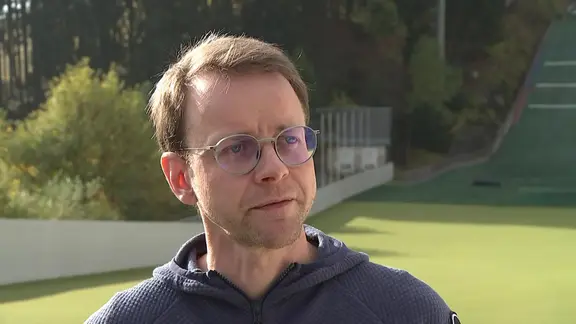
The success of the mission relied on the ability of the Olympiaförderkreis to act as a catalyst for local participation. Patrick Burkhardt, the spokesperson for the association, played a pivotal role in orchestrating the response.
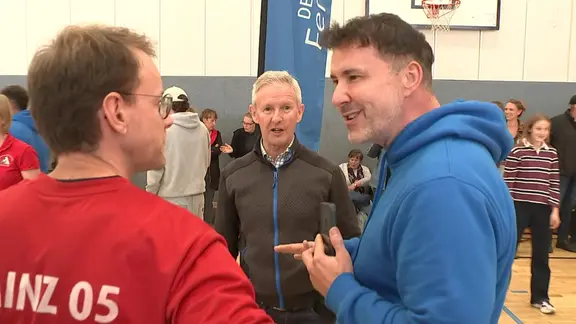
"We put everything in motion for this campaign," Burkhardt said. "We are well-connected, and we had the city administration on board as well."
The call for volunteers spread through the town like wildfire. It wasn’t just the parents of the athletes who showed up; it was a cross-section of Oberwiesenthal society. Even local legends felt the pull of the community spirit. Jens Weißflog, a name synonymous with German ski jumping history, received a "distress call" from the organizers while at his hotel.

"I was told, ‘We need a few more people,’" Weißflog recounted. "So, we packed up a few members of our team and headed over. It’s fantastic that this initiative exists, because every single euro is needed for these kids."
By the time the event reached its peak, the initial target of 73 participants had been far surpassed. Over 100 residents and supporters had gathered at the sports hall, armed with badminton rackets and a shared sense of purpose. The energy was palpable as the crowd navigated the unconventional equipment to complete the task, securing the funding for the club’s coffers.
Supporting Data: Why This Matters
To understand why such initiatives are vital, one must look at the structural changes in youth sports funding in Germany. While state-funded performance centers provide the baseline, they rarely cover the "extras" that separate a good athlete from an Olympic hopeful.
The Olympiaförderkreis serves as a buffer. By covering travel, specialized coaching clinics, and high-end equipment, the association ensures that the "Oberwiesenthal model"—which has produced numerous world-class jumpers and combined athletes—remains viable. The €2,500 grant represents approximately 25 days of intensive training for 10 athletes—a significant boost that allows the coaches to focus on technique rather than budget balancing.

Furthermore, the involvement of the municipal government highlights the importance of sports as a local economic and social pillar. In towns like Oberwiesenthal, the identity of the community is deeply intertwined with its sporting success. The "Vereint stark" challenge reinforced the bond between the town’s administration and the sports clubs, proving that when the community aligns behind a goal, it can achieve results that individual fundraising efforts often miss.
Official Responses and Implications
The reaction to the successful completion of the challenge was one of relief and pride. For the association, the win was a validation of their visibility and their standing within the community.
"We had doubts about whether we could rally 73 volunteers on such short notice," Burkhardt admitted after the event. "But the turnout was overwhelming. Seeing everyone there—from the legends like Jens Weißflog to the young girls and boys just starting their jumping careers—it really showed what we are capable of."
The broader implications of this event are significant for similar organizations across Saxony. The MDR SACHSEN competition, which continues until October 30, has highlighted a successful template for non-profit organizations. By gamifying the fundraising process, the broadcaster has managed to generate significant local media interest, which in turn acts as a multiplier for the clubs involved.
For other organizations looking to participate, the lesson from Oberwiesenthal is clear: Network, Mobilize, and Adapt. The ability to pivot from a standard fundraising model to a creative, community-driven event is what distinguishes successful applications from the rest.
Looking Ahead: The Future of the Center
With the €2,500 secured, the Olympiaförderkreis is already looking toward the upcoming winter season. The focus now returns to the slope, where the next generation of athletes is currently preparing for the season’s competitions.

Coach Hegenbarth remains optimistic. "The kids saw that people care about them today," he said. "They saw the town, the legends, and the neighbors all working to help them. That kind of support is worth more than the money itself; it’s the motivation they carry with them to the top of the ramp."
As the "Vereint stark" initiative continues its tour through Saxony, the story of Oberwiesenthal stands as a testament to the power of localized, collective action. In an era where the world often feels increasingly fragmented, the sight of a town coming together to build a net out of football shorts—and in doing so, securing the future of their youth athletes—is a powerful reminder of the enduring strength of the community spirit.
The Olympiaförderkreis has set a high bar, not just for the competition, but for how sports clubs can interact with their surrounding communities. Whether they are aiming for the Olympic podium or simply trying to ensure every child has the equipment they need, the people of Oberwiesenthal have proven that they are indeed "united and strong."
How Your Organization Can Participate
For those interested in the ongoing MDR SACHSEN "Vereint stark" initiative, the application process remains open to non-profit organizations based in Saxony. The project continues to facilitate competition between Monday and Friday, offering organizations, foundations, and social groups the chance to secure up to €2,500 in funding. Interested parties are encouraged to monitor the MDR portal for specific instructions on how to submit their projects, keeping in mind the lessons from the Oberwiesenthal challenge: be ready to mobilize your network, be prepared for the unexpected, and above all, demonstrate the impact your organization has on its local community.