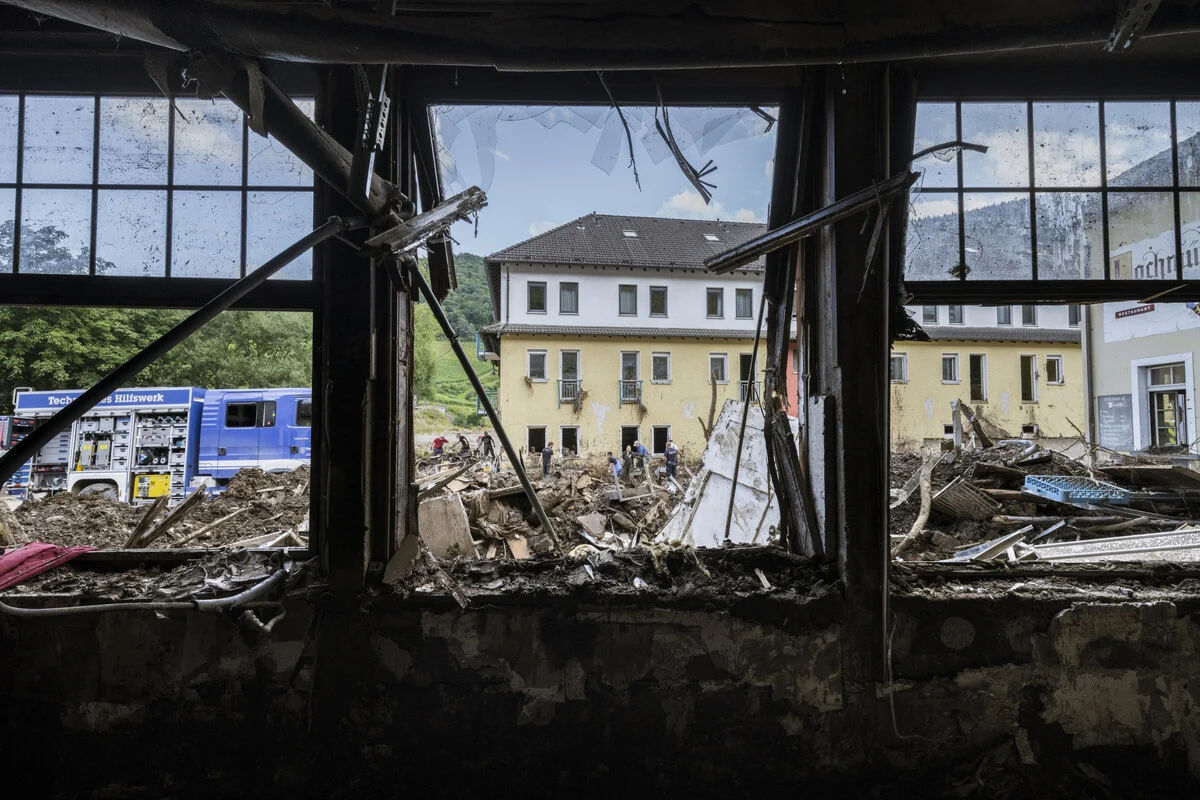
The escalating reality of the climate crisis has brought Germany to a policy crossroads. With extreme weather events—from the devastating Ahr Valley floods of 2021 to increasingly frequent flash floods—becoming the new normal, the federal government is under immense pressure to reform how citizens protect their homes. Recently, Federal Finance Minister Lars Klingbeil and Federal Justice Minister Stefanie Hubig introduced a controversial discussion paper that aims to transform the landscape of residential building insurance.
The core of the proposal is simple yet far-reaching: to make “elemental damage” coverage—protection against floods, heavy rain, and other natural disasters—a standard component of all residential property insurance. However, as the proposal moves into the public discourse, it is met with a mix of cautious optimism and sharp criticism regarding its lack of affordability protections and its potential to burden homeowners in high-risk zones.
The Core Proposals: A Shift Toward Mandatory Coverage
The proposed framework intends to address the significant protection gap in Germany. Currently, according to federal statistics, only 59 percent of residential buildings are insured against elemental damage. The remaining 41 percent are left vulnerable, often relying on emergency government aid in the wake of catastrophes.
Under the new plan, the government seeks to implement a dual-track system:
- New Contracts: All new residential building policies must include elemental damage coverage as a default “module.”
- Existing Contracts: Existing policies are to be updated to include this coverage within a one-year transition period, after which the additional protection will be automatically added.
To keep the system functional, the ministries suggest an “excess” or deductible model, where homeowners would contribute up to 10 percent of the loss, capped at a maximum of 20,000 euros per claim. Furthermore, insurance companies would be required to disclose their risk assessment methods, providing a level of transparency that has previously been absent from the market.
A Chronology of the Policy Debate
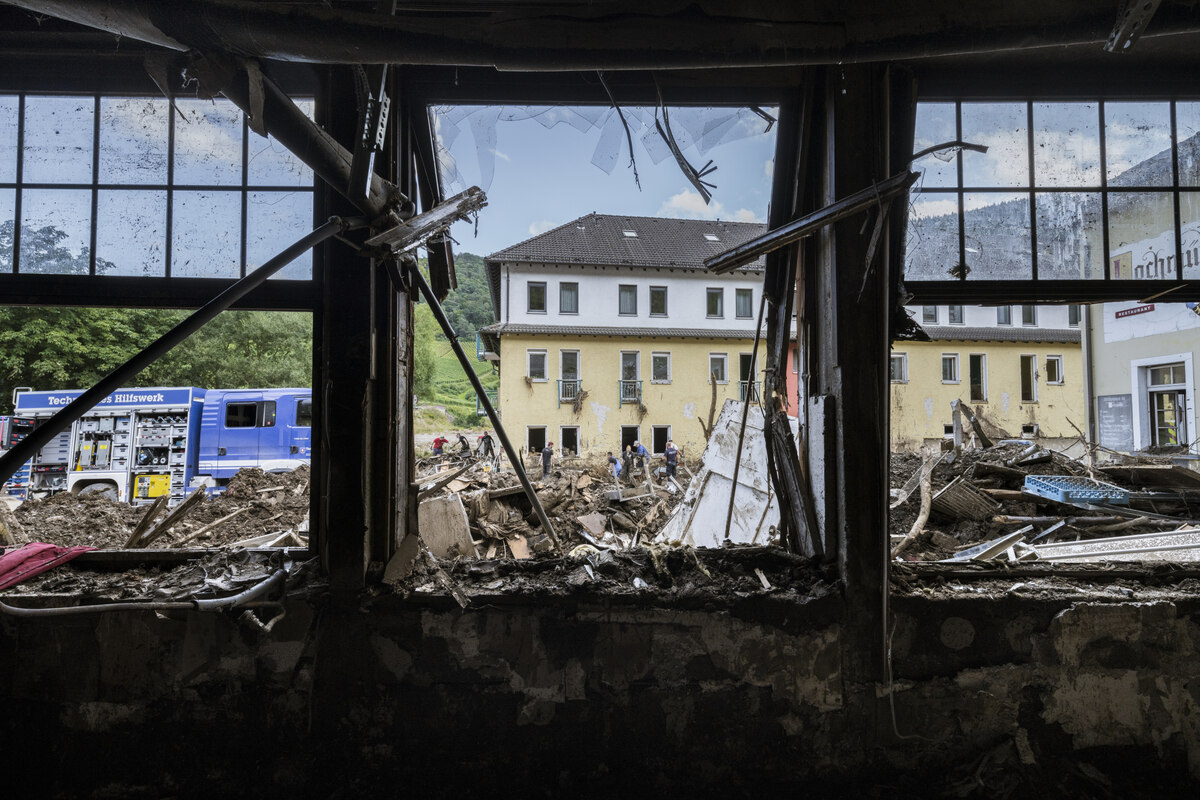
The path to this discussion paper was not sudden. It is the culmination of years of debate following the catastrophic July 2021 flooding in the Ahr Valley, which resulted in over 180 deaths and billions of euros in property damage.
- 2021: The Ahr Valley disaster exposes the inadequacy of existing insurance coverage. Public and political pressure mounts for a mandatory, nationwide insurance solution.
- 2022-2023: Federal states and consumer protection agencies repeatedly call for a mandatory elemental damage insurance policy. Experts begin warning that climate change risks could destabilize the financial sector, as private insurers might retreat from high-risk areas, leading to a collapse in real estate values.
- 2024: The federal government intensifies discussions on how to manage the growing financial risks associated with climate change, specifically regarding the potential for insurers to exceed their capital capacities.
- 2025 (Present): The Ministries of Finance and Justice release their formal discussion paper, sparking immediate debate on the implementation of a "de facto" mandatory insurance system.
The Financial and Economic Stakes
The urgency of this proposal is rooted in systemic risk. Experts argue that if extreme weather events continue to intensify, the private insurance industry may find itself unable to cover the damages. If major insurance providers were to withdraw from high-risk regions, the implications would be dire: buildings would lose their collateral value, potentially destabilizing mortgage markets and, by extension, the banking sector.
Currently, insurance for elemental damage in high-risk areas is prohibitively expensive. The government’s proposal aims to normalize this, but critics point out that without state intervention, the market will naturally gravitate toward high premiums for those living in exposed regions. This creates a "socially regressive" outcome where low-income homeowners in flood-prone areas may be forced to pay premiums that are effectively unaffordable, or face the prospect of zero coverage.

Official Responses and Political Friction
The government’s paper has been met with a lukewarm reception from stakeholders across the political and consumer spectrum.
The Consumer Perspective
Stephen Rehmke, representing the Bund der Versicherten (Federation of German Insurance Policyholders), described the proposal as a "significant step" and a "de facto mandatory insurance." He lauded the requirement for insurers to explain their pricing calculations, noting that currently, policyholders have little insight into how their premiums are derived.
The Environmental and Institutional Critique
However, not everyone is convinced. Anna Lena Samborski of the environmental organization Urgewald dismissed the paper as "disappointing." She argues that the proposal lacks a unified strategy, noting that the debate has been ongoing for 25 years without a definitive government commitment to a truly mandatory system. Her primary critique is the lack of a government-backed reinsurance mechanism. By failing to act as a state reinsurer—a model already successfully implemented in France—the German government is missing an opportunity to keep premiums affordable in high-risk zones.
Political Opposition
The Left Party (Die Linke) has been particularly vocal in its criticism. MP Aaron Valent labeled the proposal "unripe," noting that it fails to address how the insurance will remain affordable for all. He pointed out the inherent unfairness of the current plan: "A house built 20 years ago in a low-risk zone might be considered high-risk today. People shouldn’t be punished for the fact that the climate risk has increased." The Left proposes a national elemental damage fund, supplemented by contributions from climate-damaging corporations.

Similarly, the Green Party has expressed concern that the current framework is too vague. Lukas Benner, a Green Party Bundestag member, warned that without clear rules, the policy will lead to "protection gaps" and place an excessive financial burden on private households during times of crisis.
The "Opt-Out" Ambiguity
Perhaps the most contentious aspect of the proposal is the potential "opt-out" clause. The government is currently weighing whether to allow customers to decline the elemental damage coverage. If this is permitted, the government suggests a "minimum insurance" model with a 50 percent deductible (up to 100,000 euros). Crucially, those who opt out would be explicitly warned that they would likely be excluded from future state disaster relief. This creates a hard, albeit controversial, incentive for homeowners to accept the coverage.
Broader Implications: Climate Justice and Future Resilience
The proposal highlights a fundamental shift in the relationship between the citizen, the state, and the private market in the age of the climate crisis. The debate is no longer just about property; it is about the broader concept of "climate justice."
If the government mandates insurance without regulating prices, it risks creating a two-tier society: those who can afford to protect their assets and those who are pushed out of their homes by the compounding costs of climate adaptation. Conversely, if the state provides too much backing to the insurance industry, it risks subsidizing private property owners at the expense of the general taxpayer.

The government’s next steps will be critical. If they proceed with the current proposal, they will need to address the "unsolidarity" of market-driven risk pricing. A truly effective policy must balance individual responsibility with a robust, state-backed safety net that acknowledges that the climate crisis is a collective, rather than individual, threat.
Conclusion
As Germany faces the inevitable costs of a changing climate, the discussion around mandatory elemental insurance is a litmus test for the government’s ability to navigate systemic economic change. The current proposal provides a structural framework, but it remains a work in progress. Without the inclusion of a state-backed reinsurance fund and stronger price regulation, the proposed system may fail to provide the safety and security it promises.
For now, the policy remains a draft—a document that highlights the urgency of the moment but leaves the most difficult questions of affordability and solidarity for the next round of negotiations. As extreme weather events grow in frequency and intensity, the time for "discussion papers" is running thin. The government must decide whether it wants a market-based solution that leaves the most vulnerable exposed, or a comprehensive social contract that ensures resilience for all citizens in the face of an unpredictable, warming world.