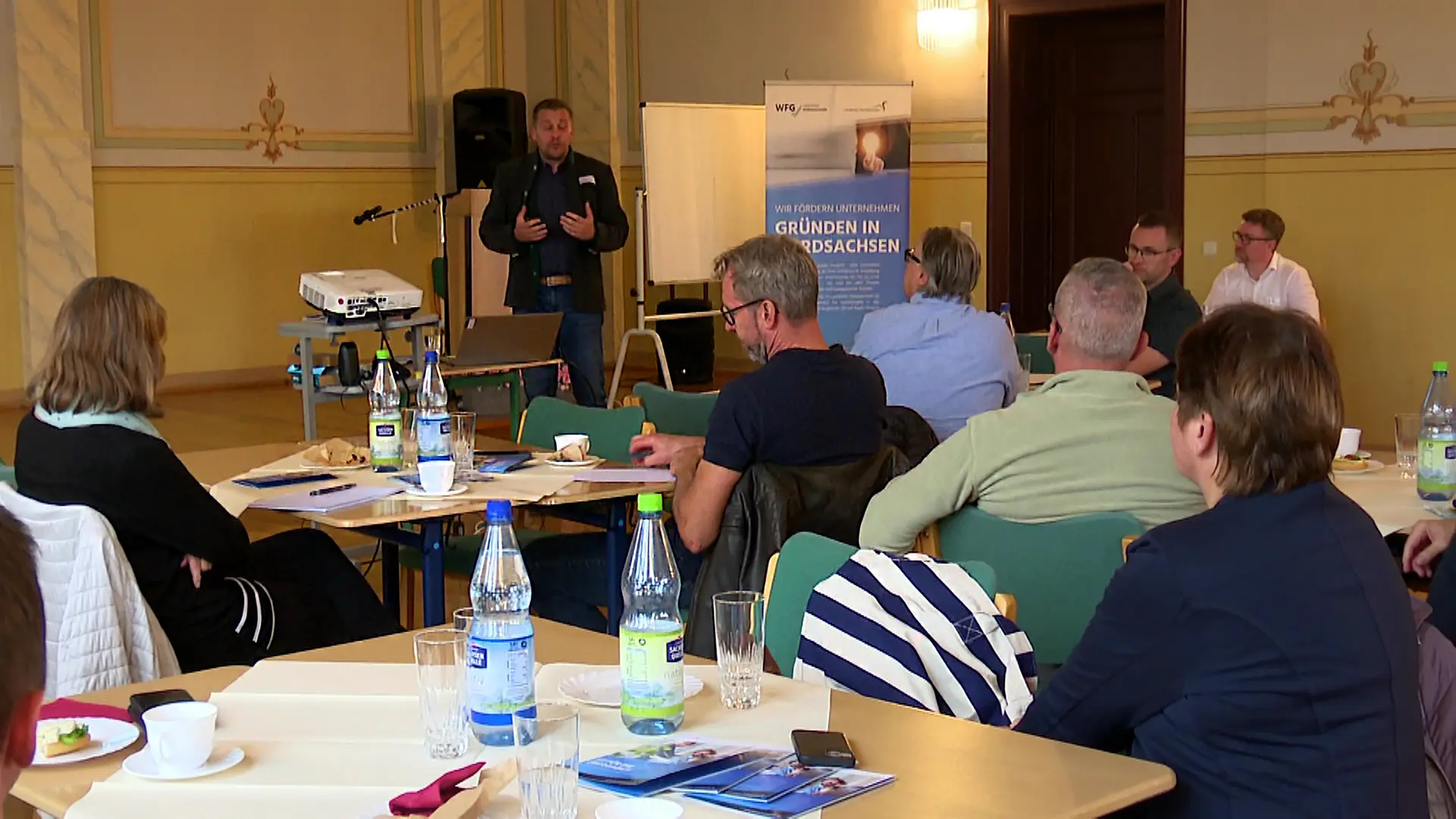
In the heart of Saxony, a critical economic challenge is looming. As many business owners across the region approach retirement, the question of who will take the helm of their enterprises has become a pressing concern. Often, business owners underestimate the time, legal complexity, and emotional weight involved in transferring leadership. To mitigate the risk of business closures and to preserve the regional economic landscape, a new, specialized consulting initiative has been launched in Nordsachsen.
The Succession Crisis: A Silent Threat to the Economy
The demographic shift currently sweeping through Germany is particularly visible in the small and medium-sized enterprise (SME) sector. In Nordsachsen, as in much of the former East Germany, many companies were established or taken over following reunification in the early 1990s. The entrepreneurs who built these businesses are now reaching an age where they must contemplate retirement.
Research indicates that a significant percentage of these business owners wait too long to initiate a succession plan. This delay is often rooted in a combination of sentimental attachment to the company they built and a lack of awareness regarding the structural, tax, and legal requirements of a handover. When a succession is not planned well in advance—ideally five to ten years ahead—the business risks stagnation, loss of market competitiveness, and, in worst-case scenarios, insolvency.
A New Framework for Support: The Nordsachsen Initiative
Recognizing this danger, regional authorities and economic development agencies in Nordsachsen have unveiled a comprehensive advisory program designed to guide entrepreneurs through the transition. This new service is not merely a lecture series; it is a bespoke, one-on-one consulting model that addresses the specific hurdles faced by local businesses.
The initiative focuses on three core pillars:
- Strategic Preparation: Helping owners define their personal exit strategy, whether it involves passing the business to a family member, selling to an external buyer, or implementing a management buyout (MBO).
- Valuation and Financial Planning: Providing neutral assessments of company value to ensure realistic expectations for both the seller and the potential successor.
- Legal and Tax Structuring: Navigating the labyrinthine German tax laws to ensure that a transition does not result in an unbearable financial burden for the successor or the retiring owner.
Chronology of a Succession: Why Time is the Primary Factor
A successful succession is a marathon, not a sprint. The new consulting service emphasizes a structured timeline to ensure stability:

- Phase 1: The Vision (5–7 years out): The owner must shift from an operational focus to a strategic one. This involves documenting processes, decentralizing decision-making, and identifying potential internal successors.
- Phase 2: The Grooming (3–5 years out): If a successor is identified, they must be integrated into the management layer. This builds trust with employees, clients, and suppliers, which is essential for a smooth transition.
- Phase 3: The Formalization (1–2 years out): Legal documents, asset transfers, and tax planning are finalized. This is the period where the "exit" becomes a reality.
- Phase 4: The Handover (Execution): The transition occurs. Effective programs recommend a "mentorship" period where the former owner stays on in an advisory capacity for a limited time to ensure continuity.
Supporting Data: The Economic Impact of Succession
The urgency of this initiative is backed by stark economic realities. Data from the German Chamber of Commerce and Industry (DIHK) suggests that every year, tens of thousands of companies in Germany search for a successor. In regions like Nordsachsen, the stakes are higher due to the concentration of specialized manufacturing and service-based SMEs.
If these businesses disappear, the ripple effects are significant:
- Loss of Regional Jobs: SMEs are the primary employers in Nordsachsen. A failure to pass on a business often leads to layoffs.
- Tax Base Erosion: Stable, profitable SMEs are the backbone of local tax revenue, which funds infrastructure, schools, and social services.
- Supply Chain Disruptions: Many of these local firms act as crucial suppliers for larger industrial players. A sudden closure can disrupt entire regional value chains.
Official Responses and Expert Perspectives
Local government officials and industry experts have been vocal about the necessity of this program. "The goal is to keep the regional heart beating," says a representative from the Nordsachsen Business Development Office. "We are not just talking about assets; we are talking about the life’s work of our citizens. By providing this consulting service, we remove the fear of the unknown and replace it with a clear, actionable roadmap."
Consultants working within the program emphasize that the biggest hurdle is often psychological. "Many owners treat their company like their child," notes a lead consultant for the project. "They find it difficult to step back. Our role is to provide an objective, professional lens that separates the emotional value from the commercial value, allowing for a rational, successful transfer."

Implications for the Future
The launch of this advisory service marks a turning point in how Nordsachsen approaches its economic future. By institutionalizing support, the region is taking a proactive stance against the "graying" of its workforce and business leadership.
Broader Implications:
- Attracting Talent: By professionalizing the succession process, companies become more attractive to external buyers and young, high-potential managers who are looking for secure, established career paths.
- Innovation and Modernization: A change in leadership is often the perfect time to introduce new technology, digitalize processes, and pivot toward more sustainable business models. The consulting program includes modules specifically aimed at "future-proofing" the business during the transfer.
- Stability in Uncertainty: In an era of global economic volatility, the preservation of local SMEs provides a buffer. Local businesses are often more resilient because they are deeply rooted in their community and have stronger relationships with their customer base.
Conclusion: A Proactive Path Forward
The challenge of business succession is inevitable, but it does not have to be a crisis. Through this new initiative, Nordsachsen is demonstrating that regional economic policy can be both compassionate and highly practical. By encouraging business owners to think about the "day after" long before it arrives, the region is ensuring that its economic history does not end with the retirement of its founders, but rather continues through the next generation of entrepreneurs.

For the business owner in Nordsachsen, the message is clear: The time to act is now. Whether you are contemplating a family succession or an external sale, the support structure is finally in place to turn a difficult transition into a seamless opportunity for growth and renewal.
Appendix: Key Takeaways for Business Owners
- Start Early: Five years is the minimum recommended horizon for a well-planned exit.
- Seek Neutral Advice: Family members and internal staff are stakeholders; they are not objective advisors. Professional consultants are essential.
- Document Everything: A business that relies solely on the owner’s intuition is not a business that can be sold. Systems and processes must be codified.
- Emotional Readiness: Prepare for the transition mentally. Defining a new purpose after the business is just as important as the financial planning.
For further information on the consulting services, business owners in the Nordsachsen region are encouraged to contact their local Chamber of Commerce or the designated regional business development agency to schedule an initial, confidential consultation.