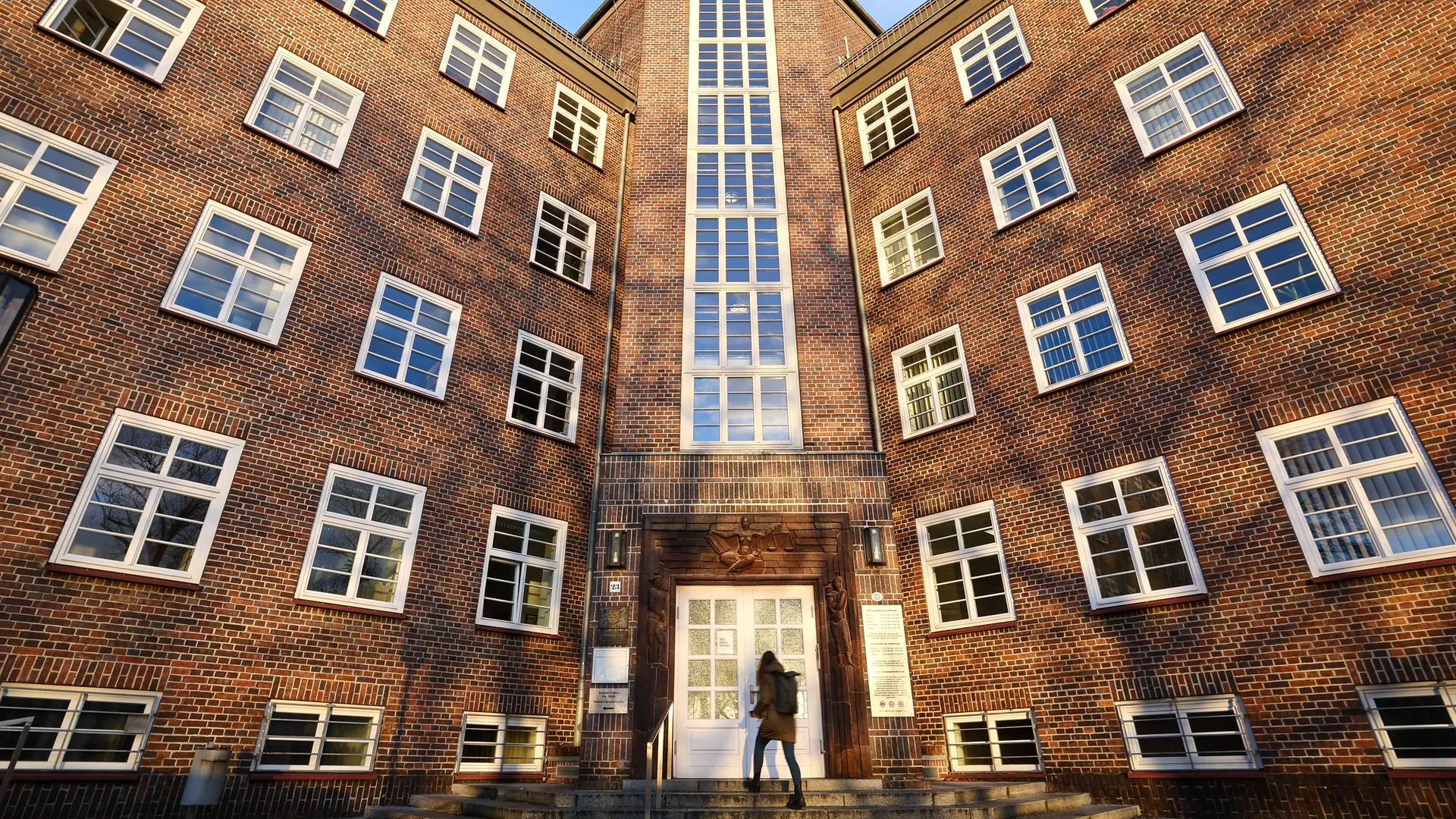
The Landgericht Chemnitz has opened proceedings in a harrowing murder case involving a fatal stabbing in a residential tower on Zwickauer Straße. As the trial begins, the defendant—a man of Chechen descent—categorically denies the allegations brought against him by the prosecution.
The Case Overview: A Deadly Encounter
The judicial halls of Chemnitz became the epicenter of a high-profile criminal trial this week as the Landgericht commenced proceedings regarding a brutal homicide that occurred earlier this year. The victim, whose identity and personal life remain central to the ongoing investigation, was discovered deceased in a residential high-rise building located on Zwickauer Straße.
According to the indictment presented by the public prosecutor’s office, the incident took place in February. Prosecutors allege that the accused, a Chechen national, gained access to the victim’s apartment under the pretext of conducting a narcotics transaction. What began as an alleged illicit meeting quickly descended into extreme violence. Investigators contend that the defendant fatally stabbed the victim directly in the heart, a precision strike that left the victim with no chance of survival.
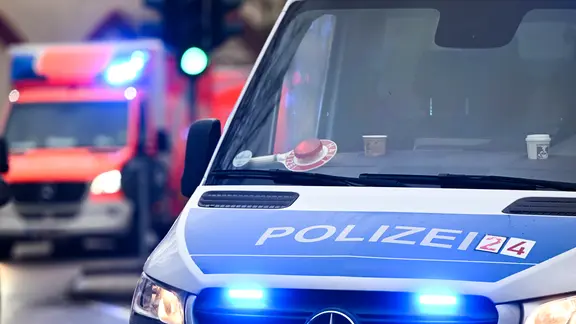
The discovery of the crime was delayed by several days, casting a grim light on the isolation that can often characterize life in large urban housing complexes. It was not until two weeks after the incident that the victim’s body was finally discovered, triggering a massive police response and a subsequent forensic investigation that eventually led to the arrest of the accused.
Chronology of Events: From Discovery to Indictment
The timeline reconstructed by law enforcement paints a picture of a calculated, albeit disputed, crime:
- February 2026: The alleged murder takes place inside a residential unit at the Zwickauer Straße complex.
- Late February 2026: Authorities receive a report regarding a deceased male. Upon arrival, police find evidence of foul play, specifically a penetrating wound to the chest area.
- March – October 2026: A lengthy investigation involving forensic pathology, digital footprint analysis, and witness testimony ensues.
- October 23, 2026: The formal trial begins at the Landgericht Chemnitz, with the defendant appearing in court to enter his plea.
The Defense’s Position: A Flat Denial
In a move that has set the stage for a protracted and contentious legal battle, the defendant has chosen to fight the charges with vigor. During the opening session of the trial, he entered a plea of "not guilty." Through his legal counsel, the accused provided a statement asserting that he was not present at the scene of the crime on the day in question.

This alibi, if substantiated, would necessitate a complete collapse of the prosecution’s current theory. The defense is expected to challenge the integrity of the forensic evidence and the reliability of witness statements that place the defendant in the vicinity of the Zwickauer Straße high-rise during the relevant timeframe.
The Forensic Evidence and Investigative Hurdles
Proving murder requires a high burden of proof, especially when the defendant challenges their presence at the scene. In this case, the prosecution relies on a combination of digital forensics and circumstantial evidence.
The Role of Forensic Pathology
The coroner’s report confirmed that the victim died from a single, deep knife wound that punctured the heart. Such an injury suggests either a high degree of intent or a specific level of physical aggression that points to a targeted attack rather than an accidental or defensive struggle. The prosecution argues that the specific nature of the wound suggests the assailant had clear intent to kill.

Investigative Challenges
One of the primary difficulties facing the prosecution is the time gap between the incident and the discovery of the body. Because the body was not found for two weeks, crucial physical evidence—such as fingerprints, DNA transfer, or trace fibers—may have degraded or been compromised. Furthermore, the transient nature of the environment in a large high-rise complex can make witness testimony unreliable or difficult to corroborate. The prosecution must now prove that the defendant not only knew the victim but was specifically present at the time of the fatal act.
Socio-Legal Implications: Security in Urban High-Rises
The case has resonated deeply within the local community in Chemnitz, particularly among residents of high-density housing blocks. The Zwickauer Straße area has seen various efforts to improve safety, yet this incident has highlighted the vulnerability of individuals living in these environments.
Legal experts observing the trial suggest that the case highlights a broader issue regarding the "anonymity of the city." When neighbors are disconnected from one another, violent acts can occur behind closed doors without immediate detection. As the trial proceeds, discussions surrounding the need for better building security and neighborhood watch programs in Chemnitz are likely to gain momentum.
Official Responses and Public Sentiment
While the court remains strictly neutral, the public sentiment in Saxony has been one of shock. Local authorities have emphasized the importance of a thorough and fair judicial process, urging the public to refrain from speculation until all evidence has been presented in court.
"The judicial system exists to uncover the truth," a spokesperson for the court noted during a brief press conference following the opening. "It is the role of the jury and the presiding judges to weigh the conflicting narratives provided by the prosecution and the defense."
The Path Ahead: What to Expect in the Coming Weeks
The trial is expected to span several weeks, if not months. The court has scheduled a series of hearings to examine:

- Digital Evidence: Tracking the defendant’s mobile phone data and communication logs.
- Expert Testimony: Ballistics and medical experts will be called to testify regarding the nature of the knife wound and the timeline of death.
- Witness Statements: A parade of neighbors, acquaintances, and potential associates will be cross-examined to determine the validity of the defendant’s alibi.
The defendant’s refusal to acknowledge the crime forces the prosecution to build an airtight case. If the prosecution fails to place the defendant at the scene beyond a reasonable doubt, the case could end in an acquittal, a prospect that would undoubtedly cause significant controversy and potential outcry from the victim’s family and the public.
Broader Context: Crime and Justice in Saxony
This trial is not an isolated incident but part of a larger ongoing narrative about law and order in the region. Chemnitz has been working to rebrand itself as a cultural hub, yet the persistence of violent crime—as seen in recent headlines ranging from property disputes to fatal attacks—remains a hurdle for regional administrators.
The case of the Zwickauer Straße killing serves as a sobering reminder of the stakes involved in criminal trials. It is a collision between individual rights, the presumption of innocence, and the societal demand for justice for the victim. As the court processes the evidence, the city of Chemnitz watches on, waiting to see if the judicial process will provide the closure that the community and the victim’s family so desperately seek.
Conclusion
As the Landgericht Chemnitz navigates the complexities of this murder trial, the focus remains on the pursuit of truth. With the defendant maintaining a firm stance of innocence, the trial promises to be an exhaustive examination of evidence, procedure, and legal argumentation. The outcome of this case will not only determine the fate of the accused but will also stand as a significant moment in the recent history of criminal justice in Saxony.
For now, the trial continues, with the legal teams preparing to square off over the details of that fateful day in February. The question of whether the justice system can reconcile the prosecution’s narrative with the defendant’s plea remains the central tension of the trial. As proceedings move forward, the focus will shift from the initial shock of the crime to the meticulous, often clinical, reality of proving guilt or innocence in a court of law.
The public, the judiciary, and the families involved await the next session, where more light will hopefully be shed on the tragic events that unfolded in that Chemnitz high-rise. Whether the verdict brings justice or merely raises more questions, the trial stands as a testament to the rigorous, often difficult path that is the hallmark of the German legal system.