The German music scene is in a state of concern as Aykut Anhan, the influential German rapper known professionally as Haftbefehl, has been forced to cancel his upcoming concert series. Reports indicate that the artist is currently under medical supervision following a severe health crisis, casting a shadow over his career and prompting an outpouring of support from fans and industry peers alike.
The Immediate Situation: Tour Cancellations in Berlin and Düsseldorf
In a series of announcements that have sent shockwaves through the German hip-hop community, the management team for Haftbefehl confirmed that his highly anticipated concerts in Düsseldorf and Berlin have been officially cancelled. The events, which were expected to draw thousands of fans, have been scrapped to allow the artist time to prioritize his physical and mental recovery.
The official word came via a statement issued by his brother, Cem Anhan, who addressed the rapper’s fanbase on social media. In the video, Cem explained that Aykut is currently unable to communicate directly with his supporters due to his precarious medical state. "He is currently under medical supervision and needs to focus entirely on himself," Cem stated, urging fans to respect the privacy of the artist and his family during this difficult period.
The cancellation of these dates—specifically the show in Düsseldorf, which was scheduled for October 15, and the subsequent date in Berlin—marks a significant setback for the artist, who had only recently attempted a return to the stage following a lengthy hiatus.
A Life-Threatening Medical Crisis
While the initial statements from the family emphasized the need for "medical supervision," investigative reporting by Bild has provided more granular and alarming details regarding the nature of the rapper’s condition. According to these reports, the emergency stems from a severe relapse involving substance abuse.
Reports suggest that the artist allegedly consumed a dangerously high quantity of cocaine—estimated at up to 30 grams—leading to an acute life-threatening emergency. The medical fallout was immediate; the rapper was reportedly rushed to a clinic in Switzerland, where he was treated in an intensive care unit. Sources close to the situation indicate that the rapper was, for a time, placed in a medically induced coma and required respiratory support to survive.
This news has reignited public discourse regarding the dangers of addiction within the entertainment industry and the immense pressure placed on artists who live their lives in the public eye.
Chronology: A History of Health Struggles
To understand the gravity of the current situation, it is necessary to examine the trajectory of Haftbefehl’s health over the past several years. His path has been marked by a cyclical struggle between professional success and personal health crises.
- Early 2020s: Haftbefehl, whose real name is Aykut Anhan, achieved significant critical acclaim for his innovative sound, which defined the "Offenbach" style of German gangsta rap. However, the intensity of his lifestyle began to take a toll.
- The Netflix Revelation: The artist chose to be transparent about his struggles in a Netflix documentary, where he discussed his long-term battle with drug addiction. The documentary provided an unflinching look at how his consumption of cocaine had not only damaged his physical health—notably causing visible, severe damage to his nasal septum—but had also created a psychological burden that was exacerbated by the constant scrutiny of his audience.
- Summer 2026: In June, the artist signaled that he was nearing a breaking point. After a series of last-minute cancellations for major festival appearances, he announced a formal hiatus. At the time, his management cited "health reasons," and the rapper largely retreated from the public spotlight to seek treatment.
- September 2026: After several months of silence, there was a glimmer of hope. Haftbefehl returned to the stage in his home region of Frankfurt am Main. The performance was intended to be a restart for his career, but it now appears that this return to the stage may have been premature, given the subsequent relapse that occurred in October.
The Physical Toll: "The Mask"
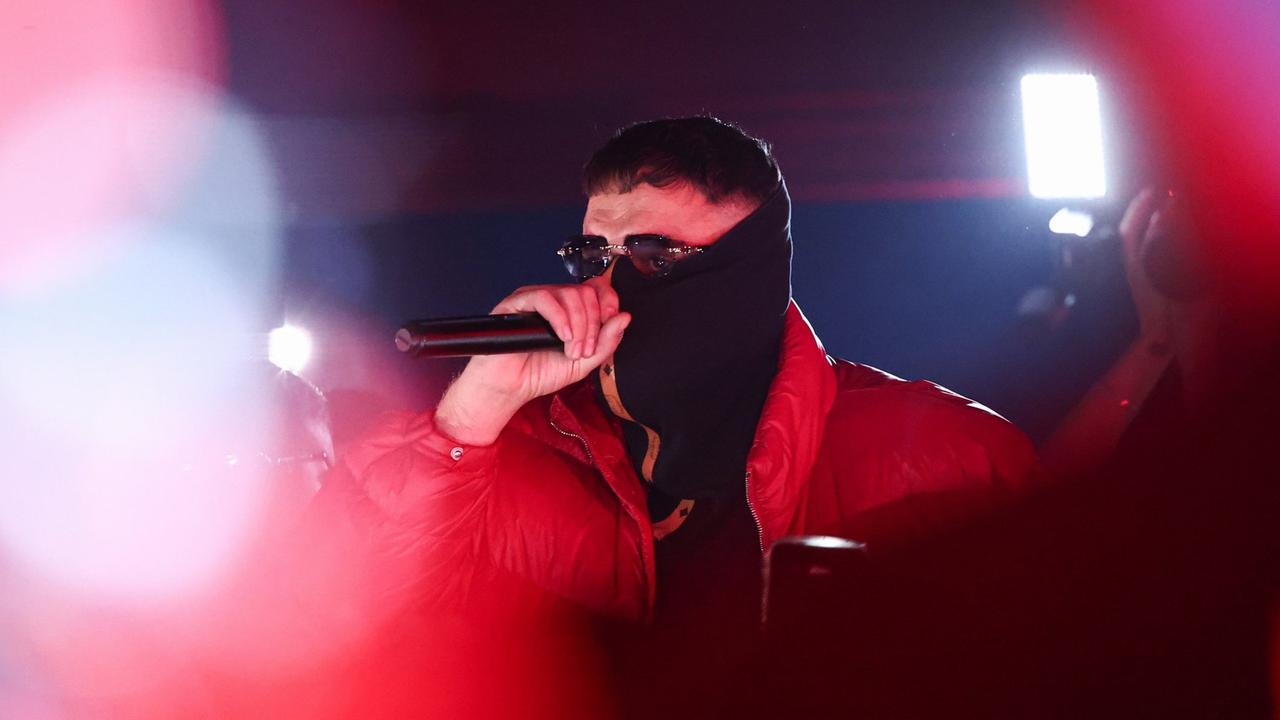
One of the most visual aspects of Haftbefehl’s struggle has been his public decision to wear a mask. For years, fans speculated about the aesthetic choice, but the rapper eventually clarified that it was a necessity rather than a fashion statement. The mask serves to conceal the severe physical damage to his nose, a direct consequence of long-term cocaine use. The medical complications were so profound that they necessitated surgical intervention. This visual reminder of his addiction has become a symbol of his vulnerability, yet it also underscores the chronic nature of the health challenges he continues to face.
Logistics: Ticket Refunds and Industry Response
For the fans who had purchased tickets for the now-cancelled shows in Berlin and Düsseldorf, the logistical process of recouping their investments has begun. The ticketing giant Eventim has officially confirmed the cancellations on its digital platforms and is handling the refund process on behalf of the event organizers.
The company has instructed ticketholders to complete a formal return processing form on the Eventim website. This process requires the submission of physical or digital tickets along with contact information. While the financial aspect of the cancellation is being handled with standard industry efficiency, the emotional impact on the fan base remains palpable. Many supporters have taken to social media to express their disappointment not for the lost money, but out of genuine concern for the rapper’s life.
Broader Implications: The "Price" of Fame
The case of Haftbefehl serves as a stark case study in the intersection of artistic genius and the destructive nature of fame. Within the hip-hop genre, themes of substance use are often woven into the lyrical fabric. However, when the lines between the persona and the person blur, the results can be fatal.
The Pressure of Authenticity
Haftbefehl is often cited for his "authenticity." Unlike many peers who adopt a stage persona, his work is deeply tied to his personal history and the streets of Offenbach. This commitment to "keeping it real" creates an immense psychological burden. When an artist builds their brand on the narrative of the streets and the struggles associated with them, it can become difficult to step away from those behaviors, even when they threaten the artist’s life.
The Role of Social Media
The speed with which the news of his coma and relapse circulated highlights the complex role of social media in modern crisis management. While the family was able to use these platforms to get ahead of the rumors, they also lost control of the narrative once mainstream media outlets began reporting on the specific medical details. The constant digital gaze, which the artist admitted in his documentary was a source of great stress, continues to be a factor in his recovery.
Looking Forward: A Call for Privacy
As the medical team in Switzerland continues to oversee his recovery, the primary message from his camp remains one of patience and privacy. The decision to cancel the remainder of his scheduled appearances for the year is a move that, while detrimental to his career momentum, is widely viewed by industry experts as the only viable path forward.
The path to recovery for an artist of Haftbefehl’s stature is fraught with challenges. It requires not only physical healing but a total recalibration of his relationship with his environment, his work, and his audience. Whether the rapper will be able to return to the stage in the future remains an open question. For now, the focus has shifted entirely from the chart-topping artist to the man behind the music, as his family and fans hope for a successful, albeit long, recovery process.
The incident serves as a sobering reminder that behind the beats, the lyrics, and the stage lights, artists are human beings subject to the same vulnerabilities as any other. The music industry, often criticized for prioritizing output over well-being, now faces a moment of reflection regarding how it supports its most vulnerable talents. For the time being, the silence from the stage is the most appropriate response to a situation where life itself has taken precedence over the performance.