In a development that has sent shockwaves through the European football community, FC Bayern Munich confirmed on Friday that head coach Vincent Kompany has been hospitalized following a medical collapse at the club’s training facility. While the club has issued a statement confirming that the 40-year-old manager is in stable condition, the incident has raised significant questions regarding the physical toll of elite-level football management and the potential long-term effects of a persistent viral illness.
The Incident: A Sudden Turn of Events
The incident occurred on Friday afternoon at the FC Bayern training grounds. Kompany had been observing a training session conducted by the club’s "Amateure" (reserve) squad when he suddenly collapsed. The severity of the situation was underscored by the immediate deployment of an emergency helicopter to the training complex, a sight that caused considerable alarm among staff and players present.
Emergency medical personnel arrived on the scene within minutes, providing initial stabilization before transporting Kompany to a specialized medical facility in Munich. The club was quick to confirm the news, issuing a brief statement to quell rampant speculation and provide clarity to the fans and the media. As of the latest update, the medical team treating the Belgian tactician has described his condition as "stable," though he remains under professional observation.
A Chronology of a Persistent Illness
The collapse did not occur in a vacuum. Investigative reports and previous statements from the club reveal that Kompany has been battling a debilitating viral infection for over a week. The timeline of his struggle provides a stark reminder of the "always-on" culture within professional football and the risks associated with ignoring one’s physical limits.
The Warning Signs
The first indications that the former Manchester City captain was unwell surfaced early last week. Kompany, known for his relentless work ethic and meticulous preparation, initially attempted to "coach through" the illness. This decision, while reflective of his dedication, proved to be a critical miscalculation.
- Monday & Tuesday: Kompany was forced to skip multiple training sessions, a rarity for a manager who prides himself on hands-on instruction.
- The Leipzig Match: During the FC Bayern vs. RB Leipzig encounter—a match that ended in a dominant 6:1 victory—Kompany’s presence was noticeably muted. He eschewed his usual energetic demeanor on the sidelines and canceled all post-match media obligations, citing his health.
- The Arsenal Prelude: Prior to the high-stakes Champions League clash against Arsenal, Kompany was notably absent from public view. Assistant coach Aaron Danks stepped in to handle media duties, confirming that the manager’s participation was uncertain.
- The Physical Breaking Point: Despite his return to the bench for the 2:2 draw against Arsenal, Kompany admitted to the press: "As a trainer, you always want to do everything. I picked up a pretty heavy virus last week, didn’t listen to my body, and eventually, the body just said: ‘Stop now!’"
The Risk of Myocarditis: A Silent Danger
Medical experts emphasize that while the specific diagnosis remains private, the pattern of Kompany’s illness is consistent with the dangers of "verschleppte Infekte" (neglected or dragged-out infections). When a viral infection is not given adequate time to recover, there is a heightened risk of secondary complications, most notably myocarditis—an inflammation of the heart muscle.
Myocarditis can occur when a virus migrates to the cardiovascular system, leading to irregular heartbeats, chest pain, or, in severe cases, sudden cardiac arrest. While there is no official confirmation that Kompany is suffering from this specific condition, the fact that a collapse occurred following a period of persistent viral symptoms has led to widespread concern in sports medicine circles. The incident serves as a cautionary tale for athletes and coaches alike: the pressure to remain on the touchline should never supersede the necessity of medical recovery.
Official Responses and Club Operations
The hierarchy at FC Bayern Munich has moved swiftly to manage both the medical situation and the sporting fallout. Sport Director Max Eberl released a statement emphasizing that the club’s primary focus is the well-being of their manager.
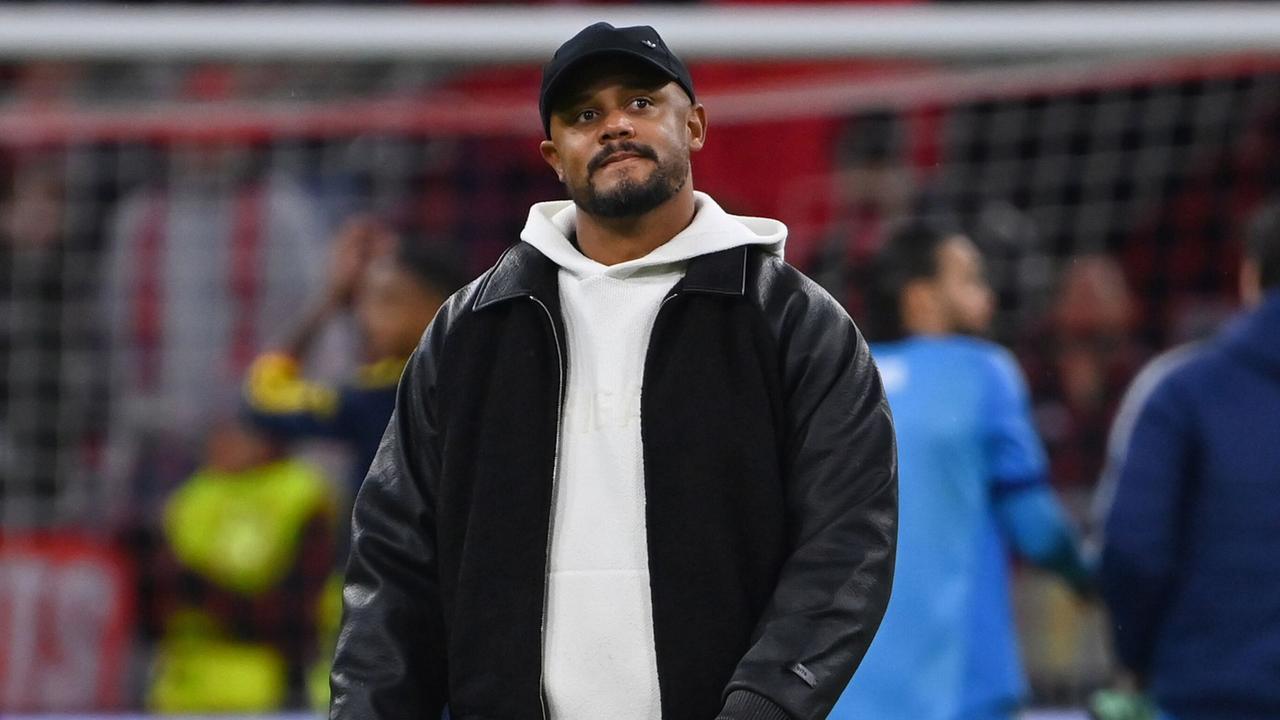
"The health of Vincent Kompany has our absolute priority," Eberl stated. "We will do everything at FC Bayern to ensure he makes a full and speedy recovery. Vinnie is receiving all the necessary medical support and care, and we are giving him all the time he requires. We all wish him a quick recovery."
Leadership Transition
The immediate operational impact is significant. FC Bayern has confirmed that Kompany will not be on the touchline for the upcoming Bundesliga fixture against SC Freiburg. The team will be led by his established coaching staff, spearheaded by assistant coach Aaron Danks. Danks has already demonstrated his familiarity with the squad’s tactical setup during the recent Champions League preparations, and the club remains confident in the staff’s ability to maintain continuity during this transition.
Implications for FC Bayern and Modern Management
The hospitalization of a high-profile manager like Kompany reignites the debate regarding the unsustainable workloads of elite coaches. In the modern era, the role of a head coach has expanded far beyond the pitch. Between tactical analysis, transfer market negotiations, media responsibilities, and constant travel, the "office" of a manager is a 24/7 environment.
The "Always-On" Culture
Football management is frequently categorized as one of the most high-pressure jobs in professional sports. The expectation to perform at the highest level while managing the immense expectations of global fanbases creates a psychological and physical burden that is rarely mitigated by adequate rest.
- Pressure to Perform: Coaches are often judged on a game-by-game basis. Missing a match is seen as a sign of weakness or a failure of duty.
- Psychological Strain: The intellectual intensity required to prepare for elite opponents like Arsenal or RB Leipzig leaves little room for physical recuperation.
- The "Hero" Complex: Coaches like Kompany, who have histories as legendary players, often possess an intrinsic drive to push through pain, a trait that is lauded on the pitch but can be hazardous in the coaching office.
Looking Ahead
The coming days will be critical for Kompany’s recovery. The medical staff at the Munich hospital will likely conduct comprehensive cardiac and physiological evaluations to determine the precise cause of the collapse and to ensure that any return to work is medically cleared.
For FC Bayern, the immediate challenge is to manage the team’s performance without their primary architect, but the prevailing sentiment around the Allianz Arena is one of solidarity. The focus has shifted from league points and Champions League aspirations to the simple, human necessity of health.
As the Bundesliga continues, the vacancy at the helm of the German giants serves as a somber reminder of the human element in football. The sport, for all its tactical brilliance and global spectacle, is ultimately dependent on the health of the individuals leading it. For now, the entire footballing world waits, hoping that the man who led his teams with such tactical intensity can find the same discipline in his recovery as he did on the training ground.
This story is developing. Further updates will be provided as more information from the club and medical staff becomes available.