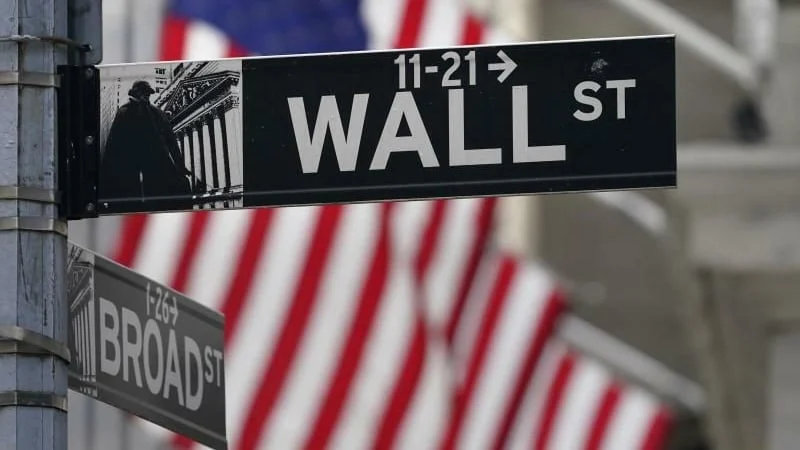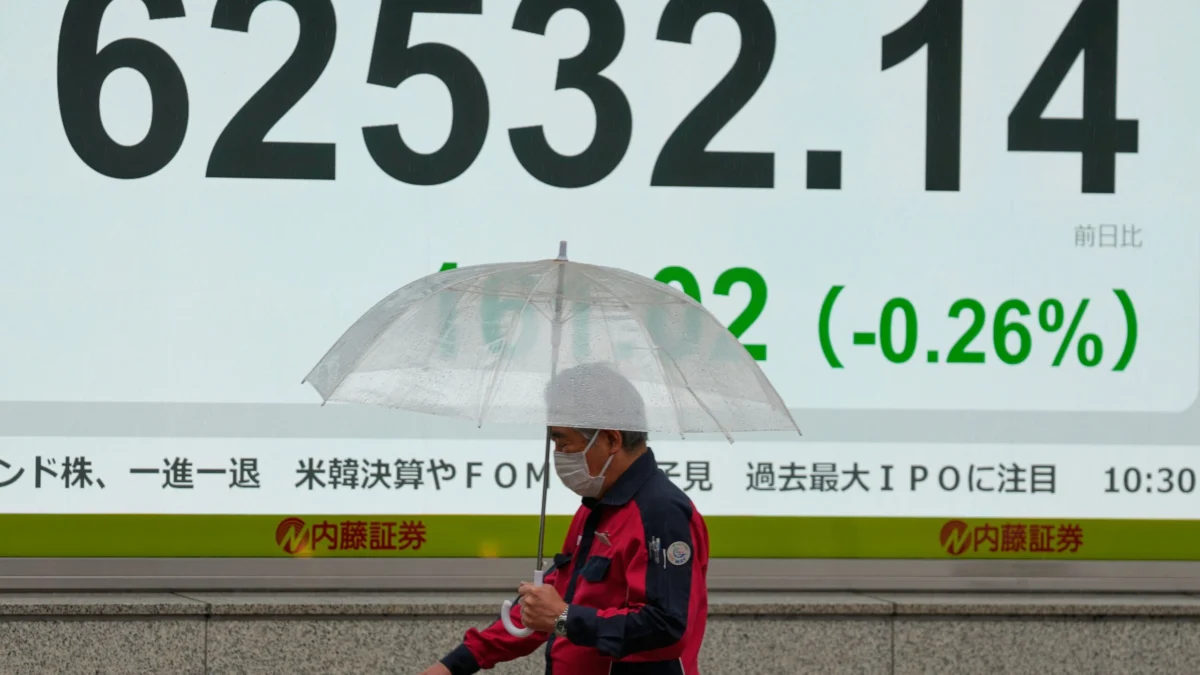
DÜSSELDORF – Investors in the United States are currently navigating a complex financial landscape, defined by the dual pressures of a high-stakes corporate earnings season and heightened geopolitical instability. Despite an uneven start to Wednesday’s trading session, major U.S. indices have managed to pivot into positive territory, bolstered largely by a robust performance in the technology sector. However, this optimism remains fragile, as market participants grapple with the lingering shadow of energy market volatility and the looming prospect of prolonged monetary tightening by the Federal Reserve.
Main Facts: The Market Narrative
The current market sentiment is a study in contrasts. While the S&P 500 and Nasdaq indices have shown resilience, driven by earnings reports from tech giants that continue to outperform expectations, the underlying macro-environment is increasingly volatile.
The primary catalyst for this apprehension is the resurgence of tension in the Middle East. As global energy markets react to the threat of potential supply chain disruptions, oil prices have resumed their upward trajectory. For equity markets, this represents a significant headwind: higher energy costs act as a tax on consumer spending and a catalyst for inflationary pressures, which in turn complicate the Federal Reserve’s path toward normalizing interest rates.
Chronology of Market Events
The week has been characterized by a “wait-and-see” approach, as traders parse data from multiple fronts:
- Monday/Tuesday: Markets opened with caution as investors processed the latest developments regarding regional conflicts. The initial sell-off in energy-sensitive stocks was partially offset by a rotation into defensive sectors.
- Wednesday Morning: U.S. indices faced a sluggish opening, reflecting the overnight uncertainty in global markets. However, mid-day trading saw a notable reversal, as tech shares regained momentum, signaling a continued investor appetite for growth stocks despite macro risks.
- The Outlook: Market attention is now firmly fixed on the upcoming Federal Open Market Committee (FOMC) meeting, scheduled for next week. The focus remains on whether the Fed will signal a pause or a continued hawkish stance in response to persistent inflation.
Geopolitical Instability and the Energy Sector
The volatility in the energy sector is not merely a headline issue; it is a fundamental threat to market stability. Kyle Rodda, a Senior Financial Market Analyst at capital.com, emphasizes that the markets are currently wrestling with a "multi-factor risk environment."
"The oil market is currently in a state of high-alert," Rodda noted. "The uncertainty in the Middle East acts as a force multiplier for market volatility, making it nearly impossible for investors to price in long-term risk with any degree of certainty."
This sentiment is echoed by Suvro Sarkar, an energy analyst at DBS, who described the recent price action as an "absolute rollercoaster." Brent crude, the global benchmark, has seen fluctuations that reflect the market’s inability to discount the possibility of a prolonged conflict. Currently trading near $108.75 per barrel, the price remains sensitive to any news regarding mediation efforts or military escalations.
The Supply Chain Fear Factor
The fear of supply chain disruptions is not purely speculative. As tensions in the Middle East persist, the risk of transit delays or localized conflict impacting key energy infrastructure becomes more acute. For investors, this creates a "risk-off" dynamic where capital flees to safe-haven assets, such as U.S. Treasuries, when news of escalation breaks, only to rotate back into equities when the perceived threat temporarily subsides.
Implications for Monetary Policy
The interplay between energy prices and the Federal Reserve’s mandate is the most critical factor for the coming quarter. Higher energy prices generally translate into higher headline inflation, which limits the Fed’s flexibility.
The Fed’s Dilemma
The Federal Reserve finds itself in a classic policy trap. While there is a clear economic argument for pausing interest rate hikes to avoid stifling growth, the persistent nature of energy-driven inflation demands a firmer hand.
According to current market data:
- The October Meeting: Recent remarks from Fed officials have signaled a more cautious approach, leading traders to lower their expectations for a rate hike during the October 28 meeting.
- The December Outlook: Despite the dovish tone for October, the outlook for December remains starkly different. Derivatives markets continue to price in a roughly 90% probability of an interest rate hike before the end of the year.
This divergence between the October and December expectations suggests that the market believes the Fed is merely "buying time" to assess the impact of previous hikes, rather than pivoting toward a full-scale reversal of its monetary policy.
Supporting Data: Why Tech is Still King
Despite the macro-economic gloom, the technology sector remains the primary engine for the current rally. The ongoing earnings season has provided a much-needed morale boost.
Large-cap tech companies, which have dominated the market rally throughout the year, have once again demonstrated strong cash flows and the ability to maintain profit margins despite rising operational costs. Investors are finding that, in an inflationary environment, these companies possess "pricing power"—the ability to pass increased costs on to consumers without a significant loss in volume.
For many institutional investors, the current market environment is a test of selectivity. The "all ships rise" mentality of the post-pandemic era has been replaced by a rigorous analysis of balance sheets, debt loads, and exposure to energy-intensive supply chains.
Official Responses and Expert Consensus
Financial analysts are largely in agreement that the market is currently experiencing a "re-pricing of risk."
- Market Sentiment: Analysts point out that the resilience of the U.S. consumer, while surprising, is the only thing preventing a deeper contraction. If energy prices continue to climb toward $115-$120 per barrel, the narrative may shift from "resilient growth" to "stagflationary pressure."
- The Mediation Factor: Markets are closely monitoring diplomatic efforts. As mentioned by Suvro Sarkar, any signal of successful mediation—particularly involving regional powers—would likely lead to a sharp, immediate correction in oil prices, providing the Fed with more room to maneuver.
Future Outlook: Navigating the Next Quarter
As we look toward the remainder of the year, investors should expect continued volatility. The "rollercoaster" described by energy analysts is likely to be the defining characteristic of the coming months.
Key Factors to Monitor:
- Energy Price Volatility: A sustained move above $110 per barrel will likely trigger a renewed sell-off in cyclical stocks.
- Fed Communication: The language used in the upcoming FOMC statement will be parsed for any hint of a "dovish pivot" or a commitment to "higher for longer."
- Earnings Season Data: Beyond the headlines, analysts are watching for commentary on forward-looking guidance. If companies begin to forecast reduced consumer demand, the current tech-driven rally may lose its foundation.
In conclusion, while the U.S. markets have shown an impressive ability to absorb shocks, the convergence of geopolitical instability and monetary policy tightening creates a narrow path for sustained growth. Investors remain caught in a delicate balancing act—hopeful for a resolution to global conflicts, yet wary of the long-term impact of a central bank that is determined to bring inflation to heel, regardless of the cost to the equity markets.
The remainder of October will be a decisive period. With the Fed’s next move approaching and the geopolitical situation remaining fluid, the market’s current positive momentum will face its sternest test yet. Investors would do well to maintain a defensive posture, prioritizing quality over speculative growth until a clearer picture of the macroeconomic horizon emerges.