Date: July 10, 2026
Market Status: Closing Bell Report
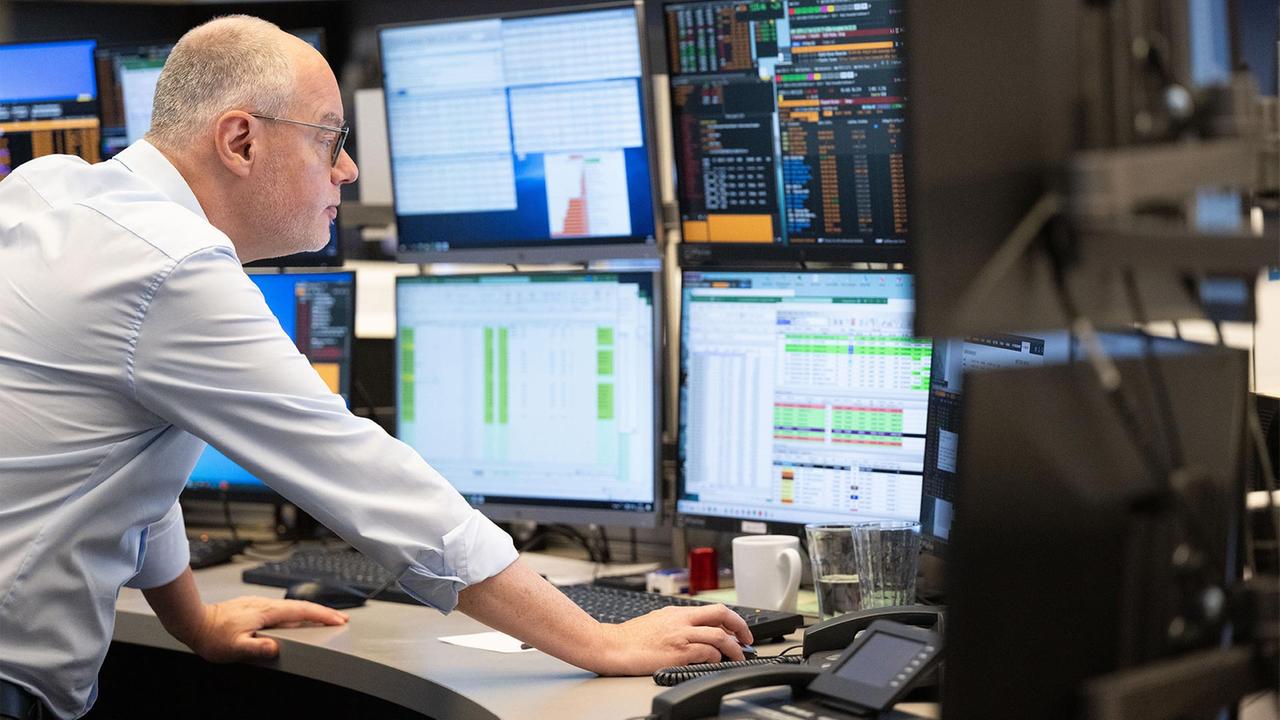
The German stock market concluded the week on a somber note, reflecting a broader climate of geopolitical anxiety and industrial recalibration. The DAX, Germany’s blue-chip index, finished the session down 0.20% at 25,067 points. This modest daily decline masks a more significant downward trend, with the index shedding 2.8% over the course of the week. This performance stands in stark contrast to the start of the week, when the DAX briefly flirted with record highs above 25,900 points.
While the mid-cap MDAX managed a modest gain of 0.3% to settle at 31,940 points, the overarching sentiment among institutional and retail investors remains one of cautious skepticism. The primary catalyst for this volatility is the deteriorating security situation in the Middle East, which has sent shockwaves through global energy markets and stoked fears of renewed inflationary pressures.
The Macroeconomic Context: Geopolitical Tensions and Inflationary Risks
The recent breach of the ceasefire in the Middle East has served as a wake-up call for global markets. Investors are hypersensitive to energy supply chain disruptions, and the immediate spike in oil prices has reignited concerns regarding inflation.
Central banks, having navigated a complex interest-rate environment for months, now face a renewed dilemma. If energy costs remain elevated, the resulting rise in consumer and producer price indices may force monetary authorities to maintain or even hike interest rates to curb inflation. Higher borrowing costs serve as a dual-edged sword: while they may stabilize currency and price levels, they simultaneously tighten the credit environment, stifling corporate investment and slowing economic growth.
The current "see-saw" behavior of the markets—characterized by sharp rallies followed by swift retreats—is expected to persist as long as the geopolitical risk premium remains high. Analysts, including Nick Twidale, Chief Market Analyst at ATFX, warn that the potential for a blockade of the Strait of Hormuz remains a "tail risk" that could cause significant supply-chain shocks, particularly for European economies dependent on energy imports.
Industrial Headwinds: The Automotive Sector in Reverse
The German automotive sector, long the engine of the national economy, is facing a period of intense structural hardship. Recent data from the second quarter of 2026 paints a grim picture, particularly for the Volkswagen (VW) Group, which has reported a sharp decline in vehicle deliveries.
The Sales Slump
Volkswagen reported that global deliveries across its various brands fell to 2.08 million vehicles in the April-to-June period. This represents a staggering 9% decline compared to the same period in 2025. The root cause of this downturn is twofold: a cooling demand in the Chinese market, which was once the primary growth engine for German manufacturers, and a broader shift in consumer spending patterns.
Porsche, usually a pillar of resilience within the group, has also struggled. The luxury brand reported an 18% drop in deliveries during the second quarter, totaling 61,300 vehicles. This performance reflects the broader difficulty of maintaining premium pricing power in a market where geopolitical uncertainty is eroding discretionary consumer spending.
VW Under Transformation: A Crisis of Strategy
In the wake of these results, Volkswagen’s leadership has moved to implement what CEO Oliver Blume has termed the "most comprehensive realignment in the company’s history."
The Call for Austerity
Following a tense session of the VW Supervisory Board, management has made it clear that the status quo is unsustainable. CFO Arno Antlitz underscored the necessity of aggressive cost-cutting measures, citing the need to simplify organizational structures and improve operational efficiency.
Market rumors and internal projections suggest that the human cost of this restructuring could be significant. Reports indicate that up to 100,000 jobs could be cut globally—a doubling of previously announced reduction targets. The prospect of plant closures is no longer a theoretical risk but a central point of discussion. Management is reportedly exploring repurposing these facilities for defense-related manufacturing or as hubs for vehicles developed specifically for the Chinese market.
Political and Social Pushback
The proposed austerity measures have met with fierce opposition from political leaders and labor representatives. Olaf Lies, Minister-President of Lower Saxony, issued a stern rebuke following the board meeting. "Plant closures are not a future-oriented strategy for Volkswagen," Lies asserted. He emphasized that the company’s path to recovery must lie in the creation of competitive products and the intelligent use of synergies, rather than the wholesale dismantling of industrial capacity. Labor unions maintain that any sustainable solution must be developed in partnership with the workforce, not imposed upon it.
Structural Opportunities: Defense Spending as an Economic Catalyst
While the industrial core faces headwinds, the defense sector is experiencing a significant tailwind. The massive increase in NATO-aligned defense budgets is shifting from pure procurement to a broader investment in "security-relevant infrastructure."
The Economic Ripple Effect
A comprehensive study conducted by EY Parthenon and the DekaBank reveals that this shift toward defense infrastructure spending is likely to have a net positive impact on the broader European economy. Unlike traditional defense spending, which is often consumed by hardware and personnel costs, infrastructure investment has a multiplier effect on civil engineering, technology, and logistics sectors.
The study projects the creation of approximately 4.4 million jobs across Europe over the coming years, provided that these investments are executed as planned. Germany alone is estimated to benefit from the creation of 723,000 new jobs, potentially offsetting some of the losses seen in traditional manufacturing sectors like automotive.
Corporate Moves: Bayer’s Capital Rebalancing
In the pharmaceutical and life sciences sector, Bayer AG is taking decisive action to address its debt load, which has been severely impacted by years of litigation related to glyphosate in the United States.
The company has announced a major capital-raising initiative involving a partnership with the investment firm Apollo. Under this agreement, Apollo will acquire a minority stake in a newly formed entity that will house Bayer’s business regarding reversible long-term contraceptives (LARC). This strategic carve-out will provide Bayer with an immediate injection of 3.0 billion euros in equity. This move is designed to provide the company with the liquidity needed to continue its research and development pipeline while satisfying creditors and easing the pressure on its balance sheet.
Looking Ahead: A Volatile Horizon
As investors look toward the coming weeks, the consensus is one of guarded caution. The "swinging markets" observed this week are likely to continue as traders weigh the risks of the Middle East conflict against the potential for industrial recovery and the structural shifts in defense spending.
The robust performance of technology stocks has provided a floor for the markets thus far, preventing a more catastrophic sell-off. However, the reliance on high-growth tech to buffer against traditional industrial weakness is a fragile state of affairs.
Key Takeaways for Investors:
- Geopolitical Sensitivity: Energy price fluctuations will remain the primary driver of market sentiment. Any escalation in the Middle East will likely trigger further risk-off behavior.
- Industrial Restructuring: Investors should closely monitor the outcome of the labor-management negotiations at Volkswagen, as they will set the tone for the broader German industrial sector.
- Sector Rotation: While automotive and traditional manufacturing are under pressure, the defense and security infrastructure sectors offer a potential hedge, bolstered by long-term government investment commitments.
- Balance Sheet Discipline: Companies like Bayer, which are actively managing their capital structure and reducing debt, are likely to be viewed more favorably as the interest rate environment remains restrictive.
In conclusion, while the week ended with a decline, it also highlighted the adaptability of the German economy. The path forward remains fraught with difficulty, but the integration of new defense-led growth sectors and the aggressive restructuring of legacy industries suggest that the DAX is in the midst of a painful but necessary transition. The days of steady, predictable growth appear to be on hold, replaced by an era where strategic agility and geopolitical awareness are the ultimate prerequisites for market success.