DÜSSELDORF – As the financial markets transition from a robust finish last week into the new trading period, investors find themselves at a critical crossroads. The German DAX, having reclaimed the psychologically significant 25,000-point threshold, now faces a period of consolidation. While the momentum generated by a strong Friday session provided a welcome boost, the opening hours of the new week suggest that market participants are adopting a more cautious, wait-and-see approach.
Main Facts: The Current State of the DAX
The German benchmark index, the DAX, closed the previous week on a high note, surging 1.2 percent to finish at 25,231 points. This decisive move back above the 25,000-point mark was viewed by analysts as a signal of resilient market sentiment, particularly following a series of turbulent sessions. However, as Monday trading commenced, the index displayed signs of stagnation. Early reports from off-exchange platforms indicated that the DAX was trading largely unchanged, reflecting a lack of conviction among institutional and retail investors alike.
This pause in activity is hardly surprising. Markets frequently experience a "breather" after a sharp rally, especially when the underlying macroeconomic landscape remains clouded by high-impact variables such as energy volatility and regional conflicts.
Chronology: From Friday’s Rally to Monday’s Stagnation
The shift in sentiment can be traced back to the final hours of the previous week. Friday’s trading session was characterized by optimism, driven largely by favorable data emerging from the United States.
- Friday: The US labor market report for September exceeded expectations, acting as a catalyst for a global risk-on environment. This sent shockwaves of positive sentiment across the Atlantic, helping the DAX regain lost ground and clear the 25,000-point hurdle. Simultaneously, the energy sector saw a shift as Brent crude prices dipped back below the $100 per barrel mark, providing a sense of relief to inflation-sensitive equity markets.
- The Weekend: Throughout the weekend, geopolitical tensions in the Middle East and the ongoing conflict in Ukraine remained at the forefront of global discourse. Market analysts spent the break assessing the potential for supply chain disruptions and further energy price hikes.
- Monday Morning: The sentiment cooled significantly. Early indications showed the DAX trading sideways. The initial excitement from the US labor market data had been absorbed, and investors shifted their focus toward the week’s upcoming economic indicators.
Supporting Data: The Drivers of Market Volatility
To understand the current stagnation, one must look at the trio of factors currently dictating the market’s trajectory: energy costs, geopolitical stability, and the upcoming manufacturing data.
The Energy Equation
The correlation between oil prices and the DAX has been particularly pronounced in recent months. As an industrial powerhouse, Germany is highly sensitive to fluctuations in energy inputs. When Brent crude fluctuates near or above the $100 barrier, the cost of production for German manufacturing giants rises, squeezing profit margins and weighing on investor confidence. Friday’s retreat to under $100 per barrel provided a temporary buffer, but market participants are monitoring the situation hourly. Any escalation in the Middle East could trigger a rapid return to triple-digit oil prices, which would likely act as a drag on German equities.
Purchasing Managers’ Indices (PMIs)
The primary focus for the remainder of the week lies in the release of the Purchasing Managers’ Indices (PMIs) across major economies, including the Eurozone and the United States. PMIs are considered the "canary in the coal mine" for economic health. Because these indices are based on surveys of supply chain managers, they offer a forward-looking view of business activity.
If the data reveals a contraction in manufacturing, it could validate fears of a slowing global economy, potentially triggering a sell-off. Conversely, a reading that surprises on the upside could provide the fundamental support necessary to keep the DAX sustained above the 25,000-point mark.
Sovereign Debt Markets
Adding to the complexity of the week is the issuance of new short-term government bonds by the United States and France. Sovereign debt auctions serve as a barometer for interest rate expectations. As central banks continue to navigate the path of monetary policy, the yields offered on these bonds will signal how institutional investors perceive the medium-term risk environment. A rise in bond yields typically draws capital away from the equity markets, potentially creating further headwinds for the DAX.
The Global Perspective: New York’s Influence
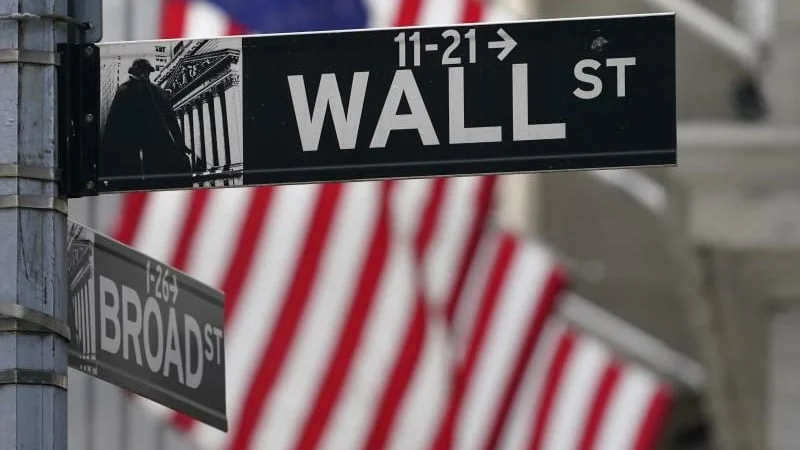
The German market does not exist in a vacuum. As seen on Friday, the performance of the Dow Jones, the S&P 500, and the Nasdaq serves as a primary driver for European sentiment. The September US labor market report was a pivotal moment, as it suggested that despite aggressive interest rate hikes by the Federal Reserve, the labor market remains robust.
This strength helped the major US indices reach new highs during the session. However, the sustainability of these records is now being questioned. Investors are weighing whether the "good news" of a strong labor market might force the Federal Reserve to maintain higher interest rates for longer, potentially stifling growth in the long run. This "good news is bad news" paradox continues to be a central theme in global financial discourse.
Implications: What to Expect Next
The coming days will be defined by how the DAX handles the technical resistance at the 25,000-point level. Technical analysts suggest that maintaining this level is vital for the bullish narrative to remain intact. If the index fails to consolidate here, a retreat toward the 24,500 range could follow.
Geopolitical Risk Management
The situation in the Middle East remains the "wild card." Investors are advised to maintain a defensive posture. Portfolio managers are increasingly looking at energy-neutral assets or companies with strong balance sheets that can withstand higher input costs.
Economic Policy Outlook
The focus will also shift to the European Central Bank (ECB) and how they intend to reconcile the need for inflation control with the reality of a slowing European economy. As the ECB prepares its next policy moves, the German market will likely react to any signals regarding the trajectory of interest rates.
Final Assessment
The DAX is currently in a state of "wait-and-see." The rally on Friday provided a much-needed boost, but the lack of follow-through on Monday morning highlights the fragile nature of current market sentiment. The combination of looming PMI reports and the constant threat of energy price spikes creates a narrow path for further gains.
For individual investors, the current environment demands vigilance. While the breakthrough of the 25,000-point mark is a positive technical indicator, the macro environment remains volatile. The week ahead will likely be defined by data-driven reactions rather than long-term trend reversals. Should the manufacturing data come in stronger than expected, the DAX may find the momentum needed to move higher. However, any negative surprise, coupled with an escalation in geopolitical tension, could quickly reverse the gains of the previous week.
In summary, the market is currently caught between the optimism of a strong US labor report and the sobering reality of geopolitical risk and inflationary pressures. Investors should monitor the upcoming PMI releases closely, as they will likely dictate the market’s direction for the remainder of the month. The DAX stands at a pivot point; whether it maintains its current altitude or descends will depend entirely on how these competing forces resolve themselves in the coming days.